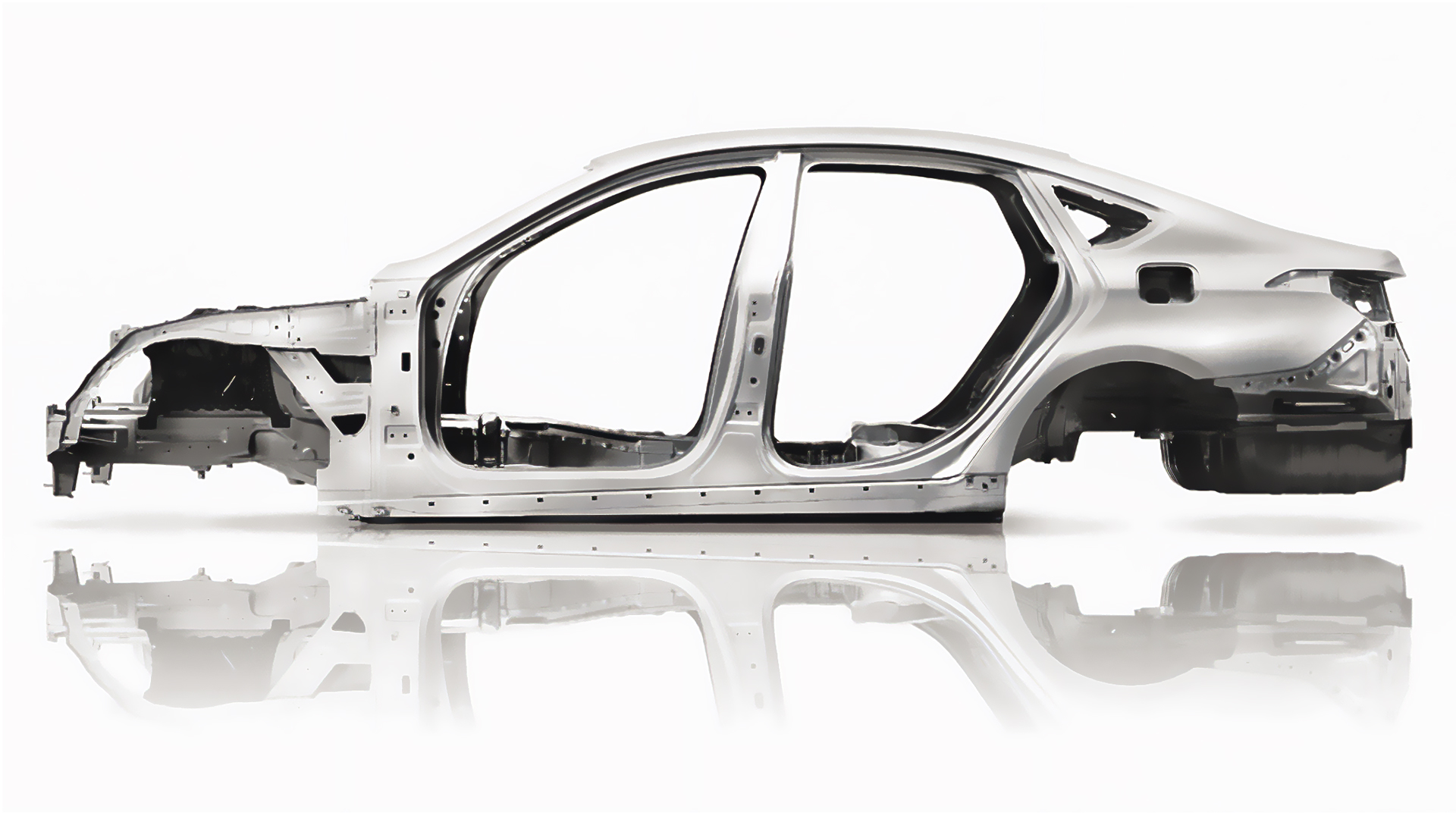
When discussing automobiles, we often focus first on technologies such as batteries, motors, and software. However, the foundation of a car remains its body. This is because the body creates the passenger compartment and, most importantly, protects occupants in the event of a collision.
The material that makes up a significant portion of this body is automotive steel sheet. Automotive steel sheet has continuously evolved in step with changes in the automotive industry. It has developed in a direction that enhances safety with stronger steel sheets and reduces vehicle weight by achieving the same performance with thinner steel sheets, thereby improving fuel efficiency and electric range. Recently, improvements have been made not only in strength but also in formability, enabling the creation of complex body shapes.
Electrification has presented automotive steel with another challenge: offsetting the increased vehicle weight resulting from the installation of high-capacity batteries, while safely protecting the batteries—located beneath the body—from collisions and crash impact. There is yet another challenge: the carbon emissions generated during the steel production process. Competition in the automotive steel sheet sector is expanding beyond simply “making better steel” to “how to make better steel.” We examined the new changes facing automotive steel sheets through interviews with Cheolkyun Shin, Senior Research Engineer at Hyundai Steel’s Automotive EVI Technology Team, and Seunghwan Shin, Senior Research Engineer at the HiCube Technology Development Team.
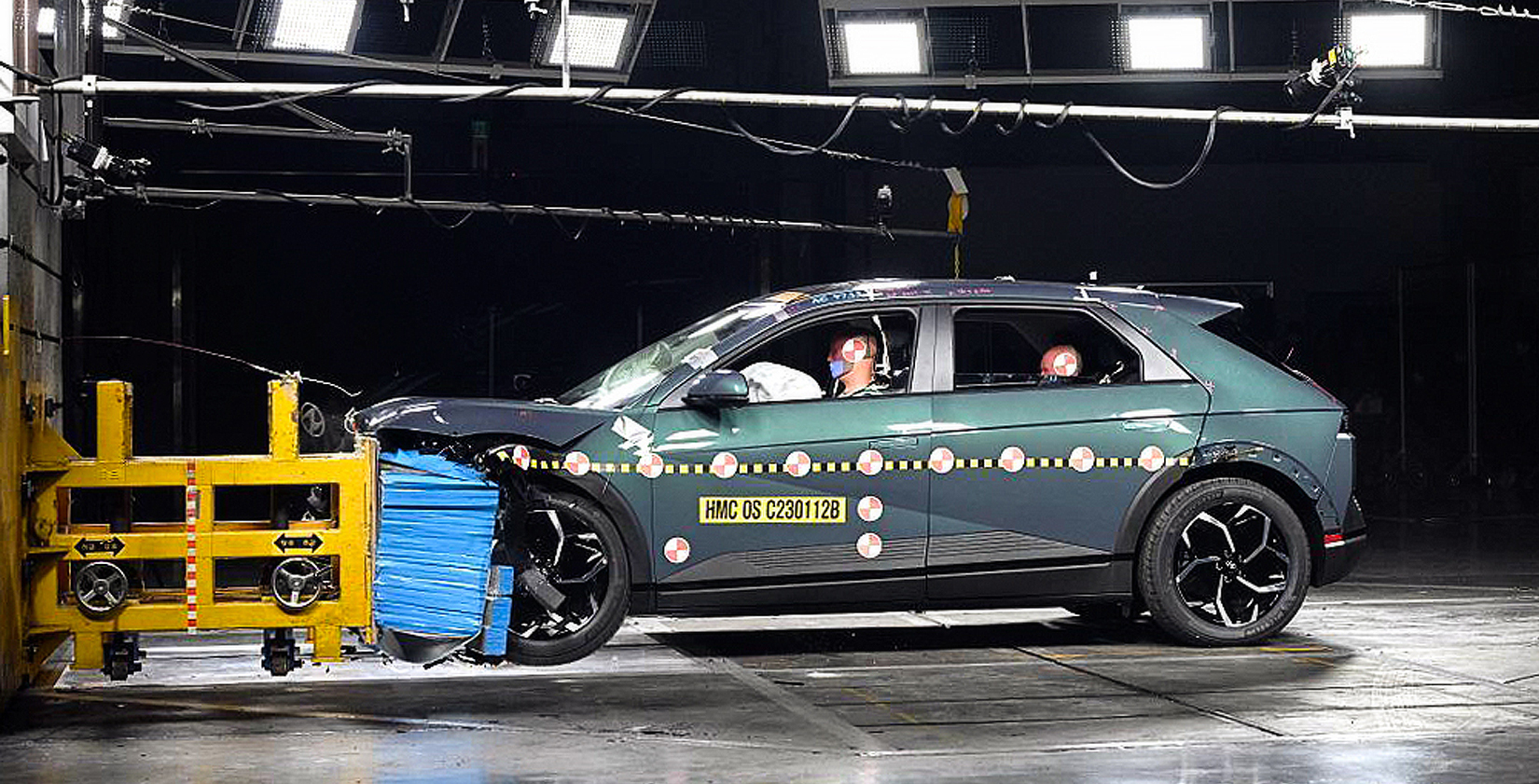
As electrification progresses rapidly, the requirements for automotive steel sheets have become significantly more complex. Material design must now take into account not only crash safety and lightweighting—which were critical for internal combustion engine vehicles—but also the structural characteristics of electric vehicles. Senior Research Engineer Cheolkyun Shin explains the role of automotive steel sheets in the era of electric vehicles as follows:
“The weight of electric vehicles has increased due to the installation of high-capacity batteries. There is also the challenge of protecting the batteries, located under the vehicle body, from collisions and crash impact. Consequently, it has become crucial for automotive steel sheets to strike a balance between high strength and crash safety, as well as formability, weldability, and the potential for weight reduction.”
The key is not to maximize any single performance characteristic. The steel must be strong enough to be formed into complex body parts, while also allowing for stable bonding with other components and reducing the vehicle’s weight. The ability to optimize the balance among these various performance characteristics has become the competitive edge for automotive steel sheets in the era of electric vehicles.
Automotive steel sheets have long evolved toward achieving higher strength. A prime example is Advanced High Strength Steel (AHSS). The problem is that as steel becomes stronger, it becomes more difficult to work with. Senior Research Engineer Cheolkyun Shin explains this as follows:
“Automotive Advanced High Strength Steel (AHSS) has evolved to simultaneously enhance body safety and reduce weight. However, as strength increases, there is a limitation in forming complex parts; consequently, technologies that improve formability and crash performance while maintaining high strength have become increasingly important in recent years.”
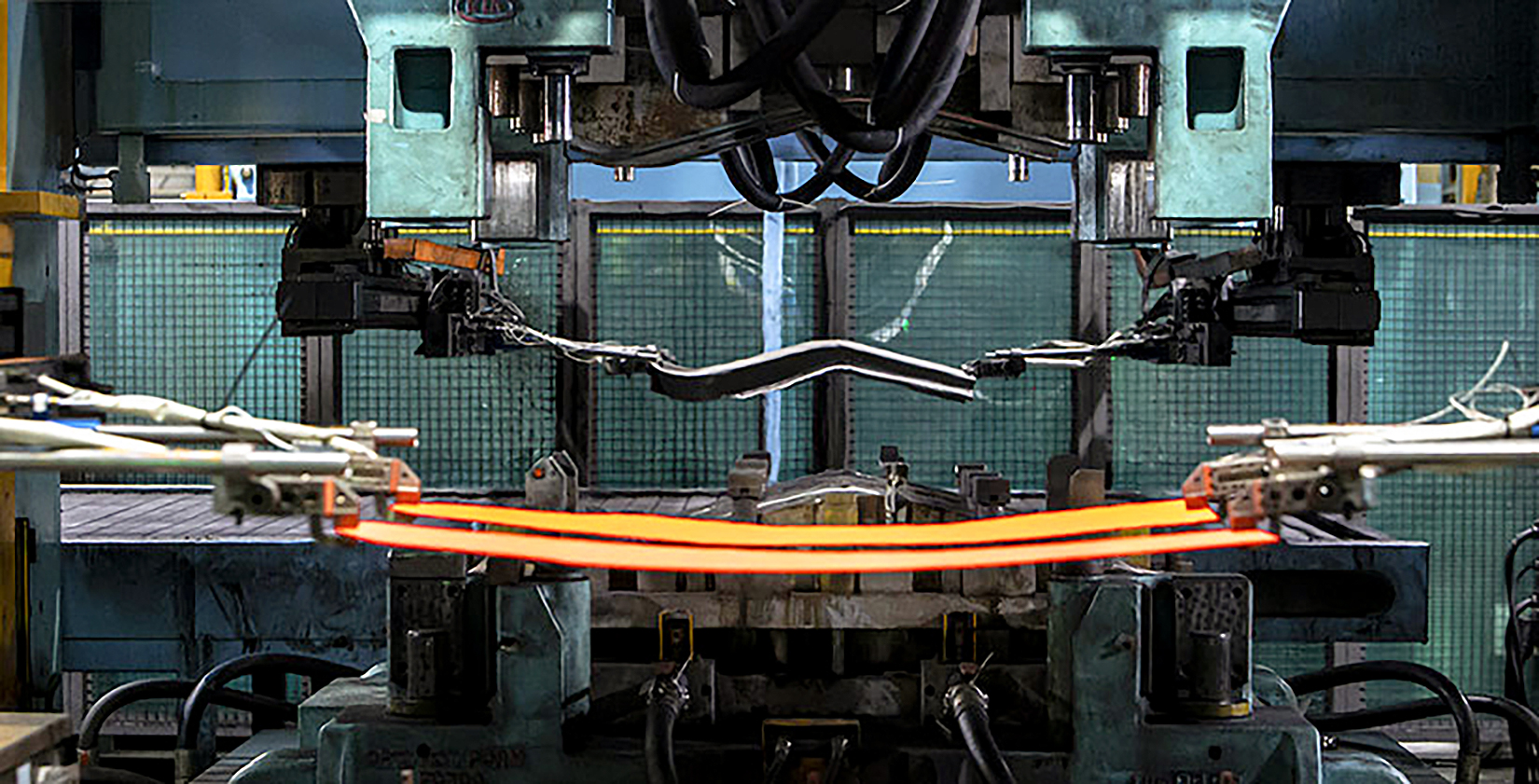
Third-generation ultra-high-strength steel is the result of these efforts. Processing technologies for turning this strong steel into automotive parts have also advanced, with hot stamping being a prime example. High-strength steel sheets are difficult to form into complex shapes at room temperature. Hot stamping involves heating the steel sheet to a high temperature to soften it, then shaping it into the desired form using a die, and finally cooling it within the die to restore its high strength.
Ultra-high-strength steel and hot-stamped steel produced in this way are primarily used in body structural components—such as the center pillar, side sills, and roof rails—that suppress deformation of the passenger compartment during a collision. By designing the strength and thickness of the steel sheets to match the specific role of each component, manufacturers can ensure the necessary safety while reducing unnecessary weight. This approach delivers the dual benefits of improved vehicle safety and efficiency.
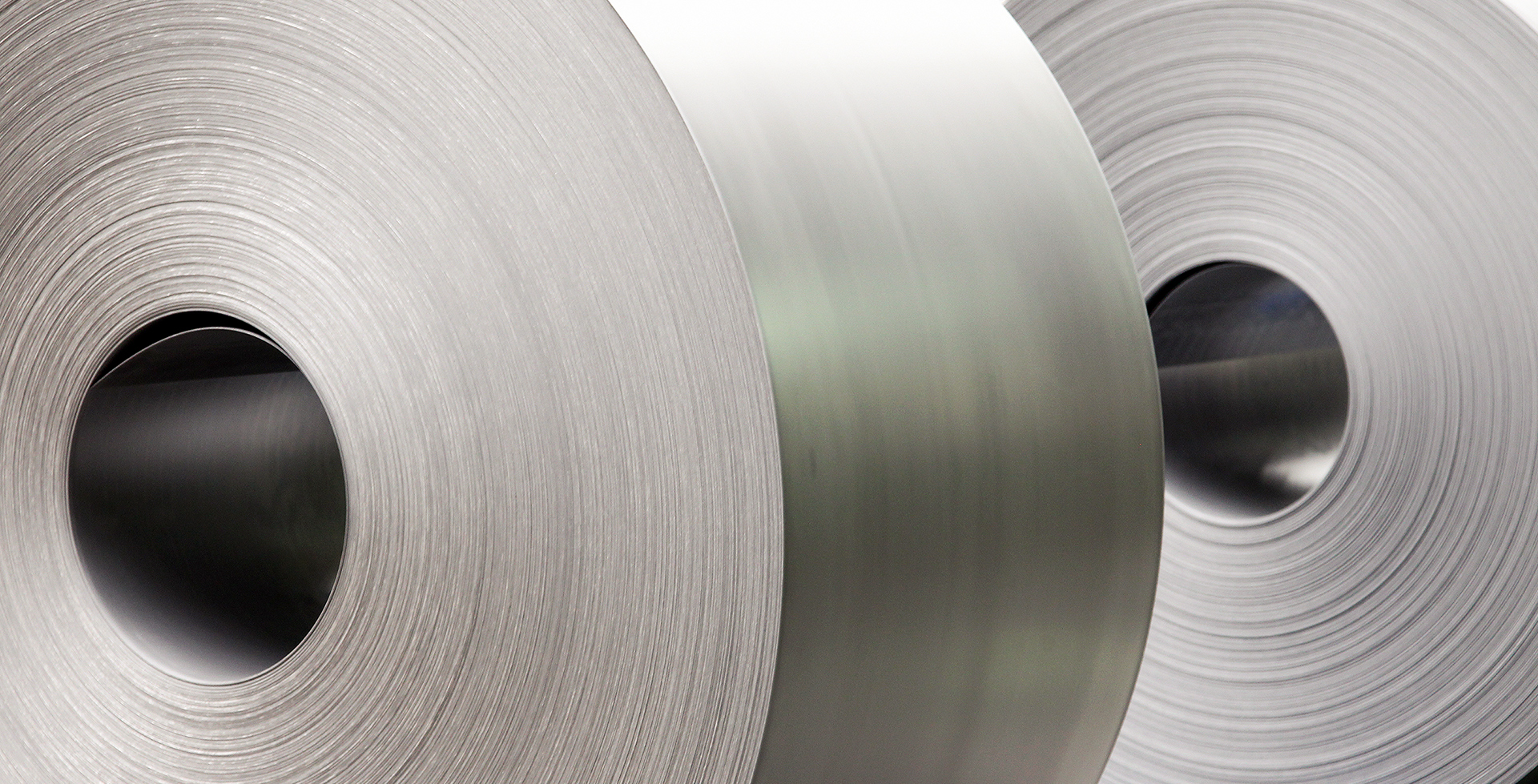
The evolution of automotive steel sheets goes beyond material performance. This is because the scope of carbon emission regulations in the automotive industry is expanding. For internal combustion engine vehicles, exhaust emissions generated during driving were the primary focus of regulation. Recently, with the growing adoption of electric vehicles, carbon emissions not only during driving but also those generated during the vehicle manufacturing process have become increasingly important. This is because we can only comprehensively assess a vehicle’s total carbon footprint throughout its entire lifecycle by considering the carbon emissions generated during the production of batteries, components, and materials such as steel and aluminum.
Senior Research Engineer Cheolkyun Shin links this shift to a new competitive edge for automotive steel sheets. “The scope of carbon emissions management in the automotive industry is expanding from the vehicle’s driving phase to the production phase of materials and components. Carbon emissions generated during the production of automotive steel sheets can be reflected in an automaker’s supply chain emissions and in the vehicle’s life cycle assessment. Therefore, reducing carbon emissions during the production phase while maintaining the same quality and performance as existing products is becoming a crucial new competitive advantage.”
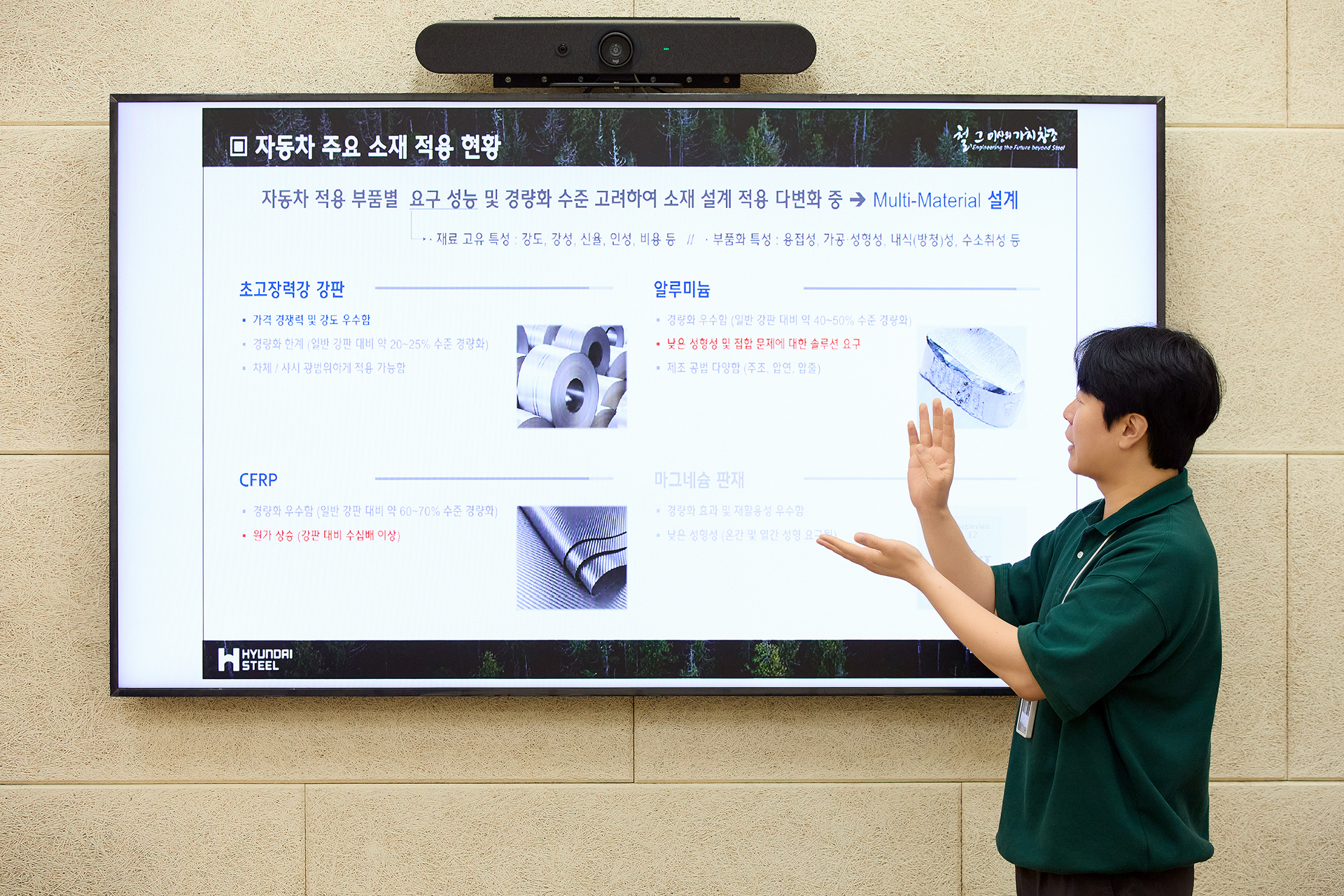
People have begun to ask not only “How good is this steel sheet?” but also “How much carbon was emitted during the process of making this steel sheet?” The solution seems simple—wouldn’t it be enough to increase the use of electric arc furnaces, which recycle scrap iron, instead of conventional blast furnaces that emit large amounts of carbon? In reality, it’s not that simple. High-grade automotive steel sheets are not products that merely require high strength. They must simultaneously satisfy requirements for high strength, formability, weldability, and surface quality, and there must be very little variation in quality regardless of when they are produced.
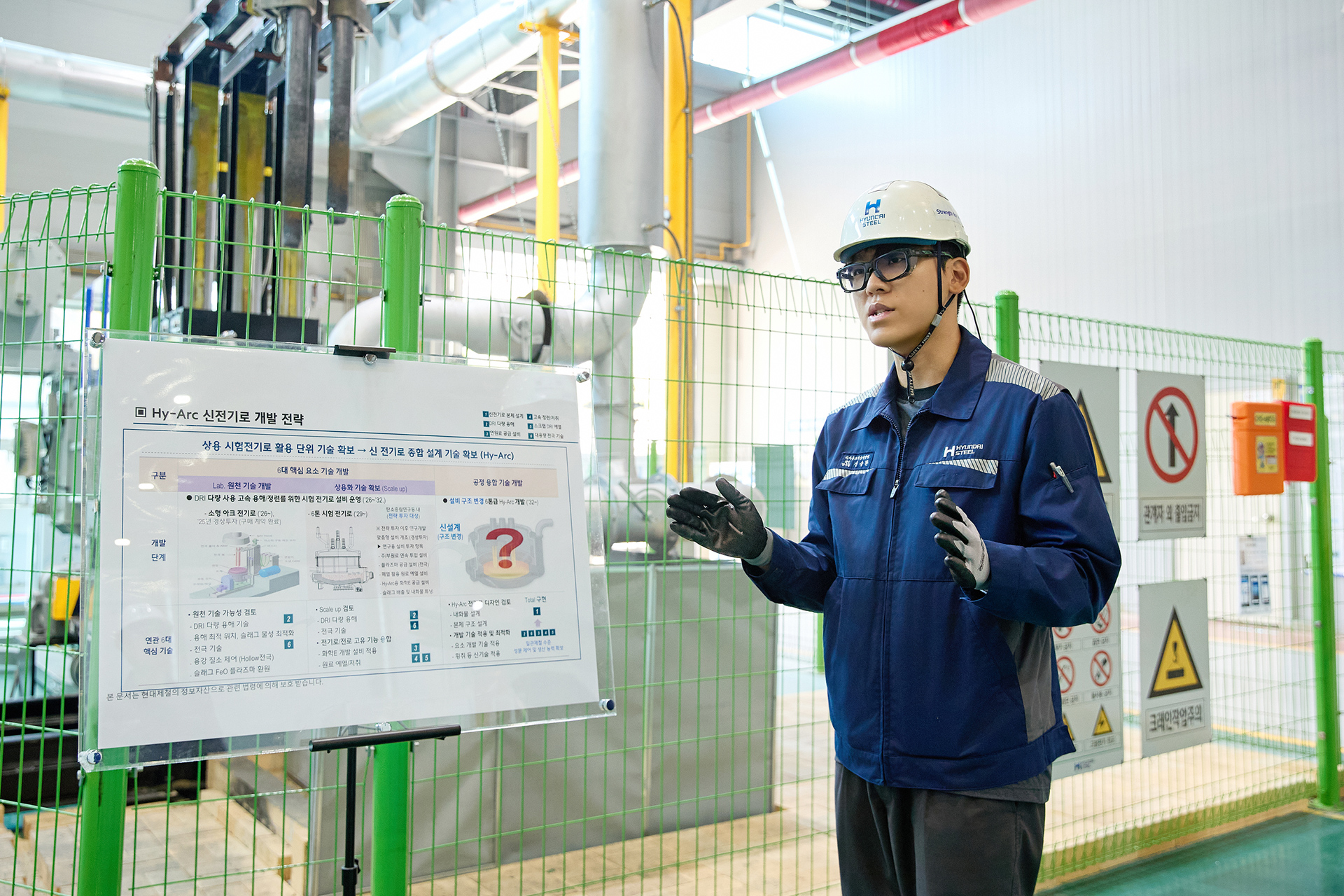
Senior Research Engineer Seunghwan Shin explains, “Residual elements in scrap, such as copper and tin, are difficult to remove through standard oxidation refining, so they must be strictly controlled starting from the alloying stage.” To produce high-grade automotive steel sheets, these components must be meticulously managed from the very beginning.
Another issue is nitrogen. In electric arc furnaces, iron is melted using an electric arc. During this process, nitrogen from the atmosphere can easily enter the molten steel. Senior Research Engineer Seunghwan Shin explains, “To ensure formability, carbon and nitrogen levels in automotive steel sheets must be maintained at extremely low levels,” adding, “Since high nitrogen content leads to reduced ductility and aging phenomena*, it is a critical control factor in the production of high-grade automotive steel.”
*Aging phenomenon: A phenomenon in which the physical properties of steel sheets change over time, leading to a decline in ductility and formability
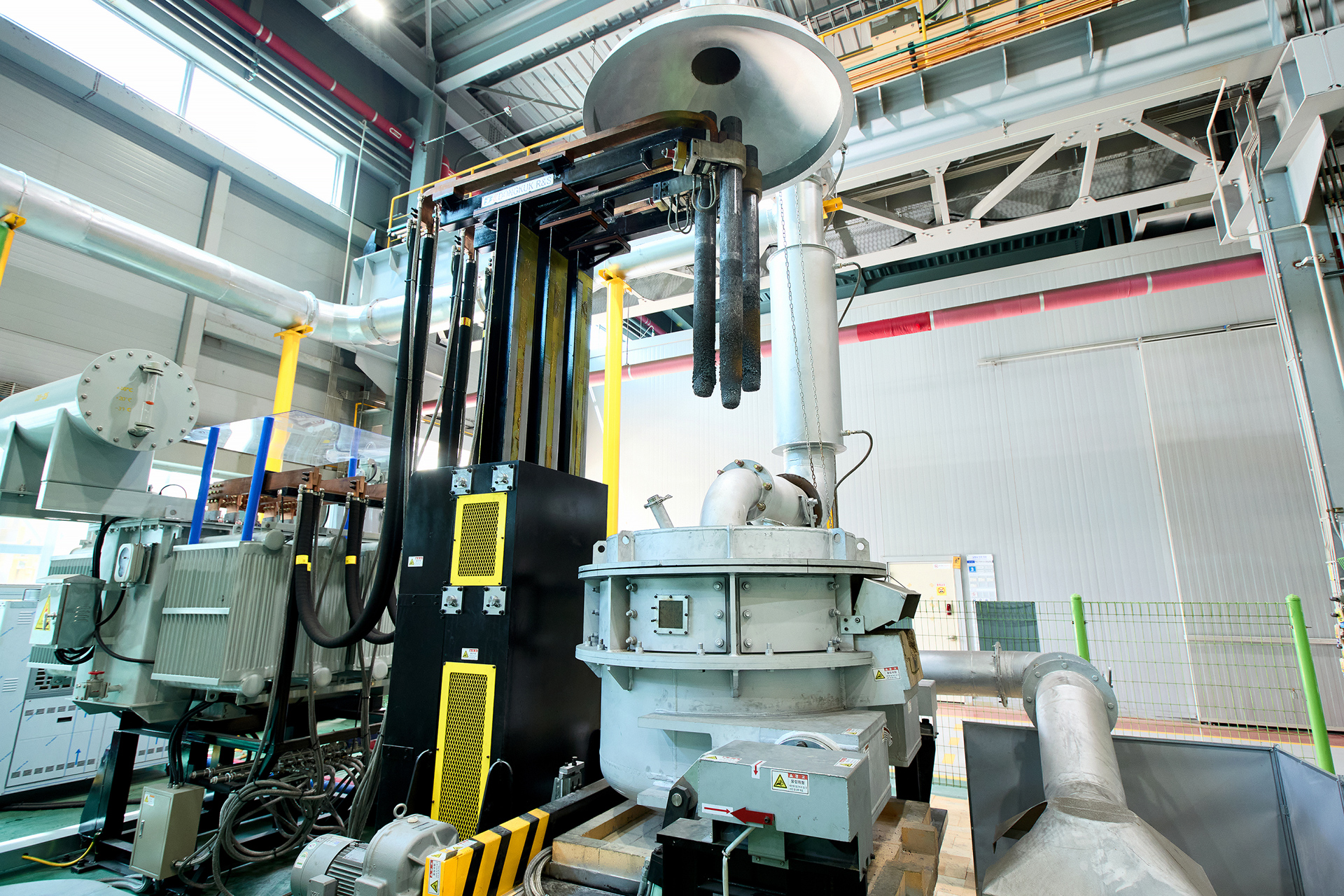
To address this issue, Hyundai Steel opted to modify both raw materials and production processes simultaneously. One of the first steps in this effort was the trial production of high-grade automotive sheet steel using an electric arc furnace in 2022. At that time, Hyundai Steel blended direct-reduced iron with scrap steel and refined its electric arc furnace refining technology to trial-produce 1.0 GPa*-grade high-strength automotive sheet steel. Direct-reduced iron (DRI) is an iron source produced by removing oxygen from iron ore. Compared to scrap iron, it contains fewer residual elements and has a relatively uniform composition. Therefore, when used in combination with scrap, it helps increase the proportion of electric arc furnace utilization while reducing variations in raw material composition.
*GPa(gigapascal): A unit indicating how much external force a material can withstand; it describes the degree of strength required for a surface measuring 1 mm by 1 mm to support a weight of 100 kg.
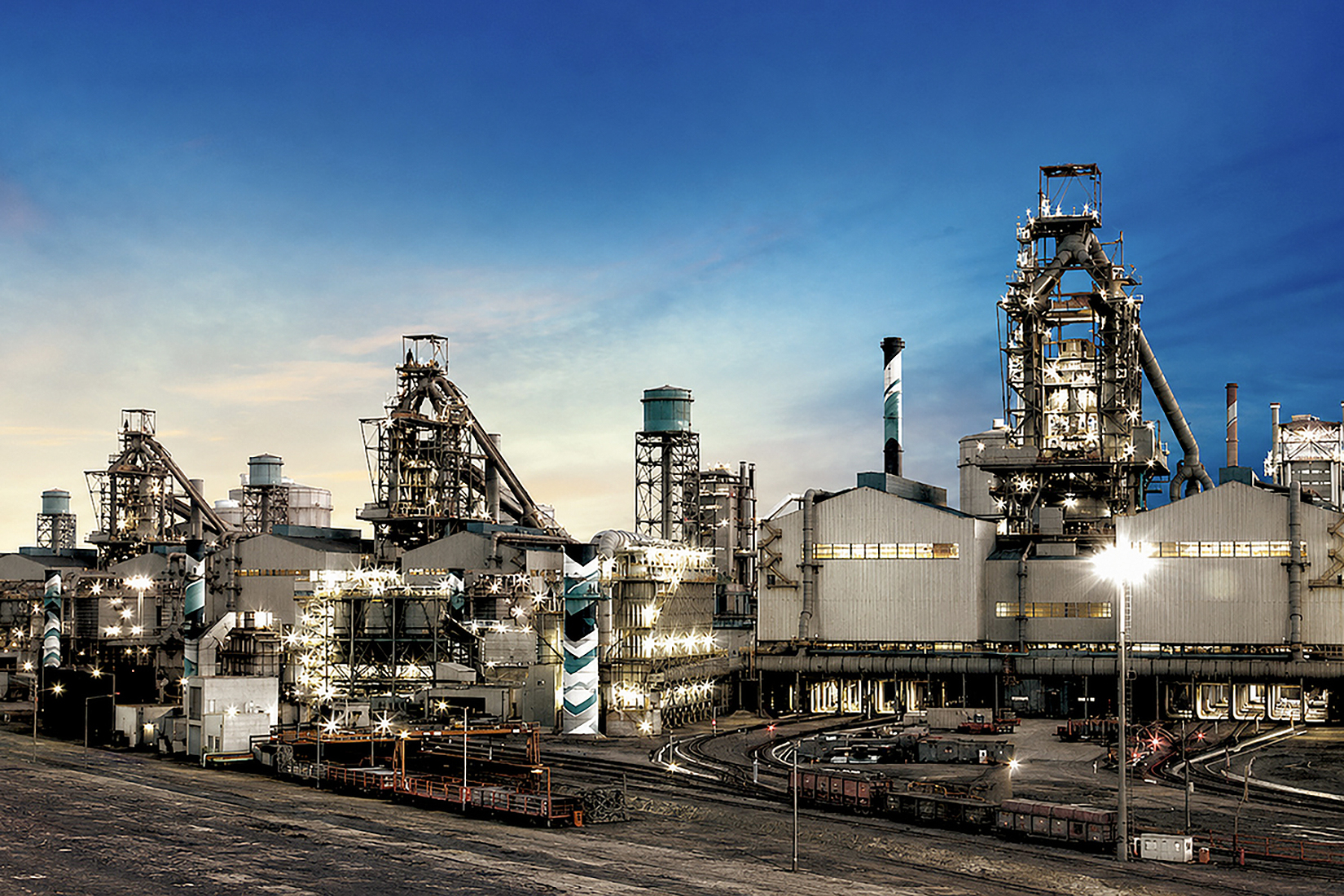
Unlike pilot production, actual mass production requires the ability to stably produce large quantities of automotive steel sheets of consistent quality. To achieve this, Hyundai Steel subsequently expanded its raw material composition once again. This approach involves utilizing not only scrap and direct-reduced iron but also molten iron produced in conventional blast furnaces (liquid iron produced by melting iron ore in a blast furnace). Starting in 2023, the Dangjin Steelworks began validating a hybrid process that blends electric arc furnace (EAF) molten iron with blast furnace molten iron in a converter.
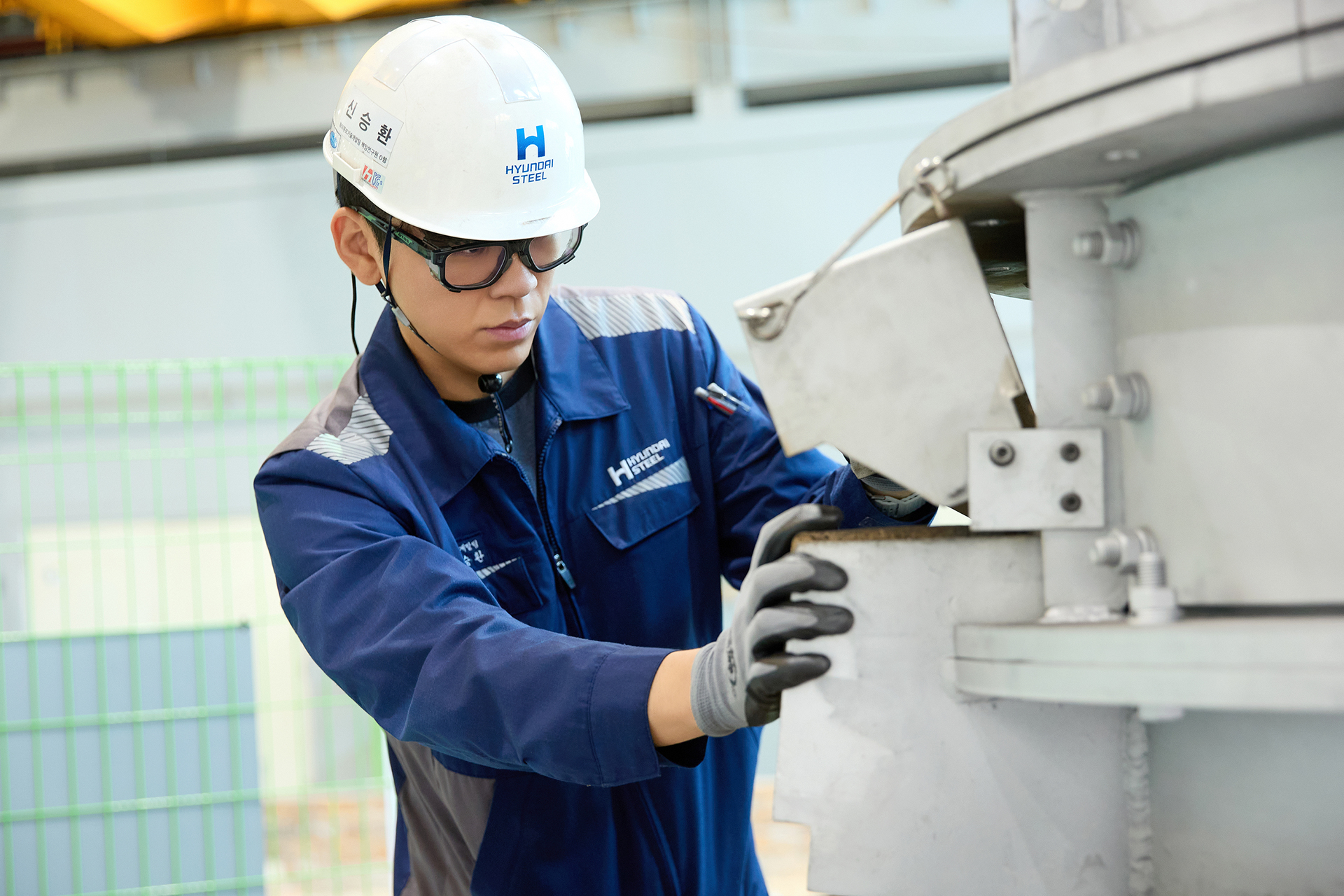
Senior Research Engineer Seunghwan Shin summarizes this trend of change as follows: “In terms of raw materials, we have moved away from relying solely on scrap and instead blend it with molten iron to mitigate issues related to residual elements and compositional variations. From a process perspective, the key change has been the introduction of the electric arc furnace (EAF) hybrid process alongside the advancement of EAF refining, which has addressed the fundamental limitations of the EAF—namely, nitrogen control and ensuring purity.”
A blast furnace reduces iron ore to produce molten iron. While this process yields molten iron with a stable composition suitable for automotive steel sheets, carbon dioxide is emitted during the reduction of iron ore. In contrast, an electric arc furnace can melt and recycle steel scrap. Since it eliminates the initial iron ore reduction process, this method is advantageous for reducing the use of blast furnace molten iron and lowering carbon emissions. However, managing residual elements and nitrogen—as mentioned earlier—is more challenging.
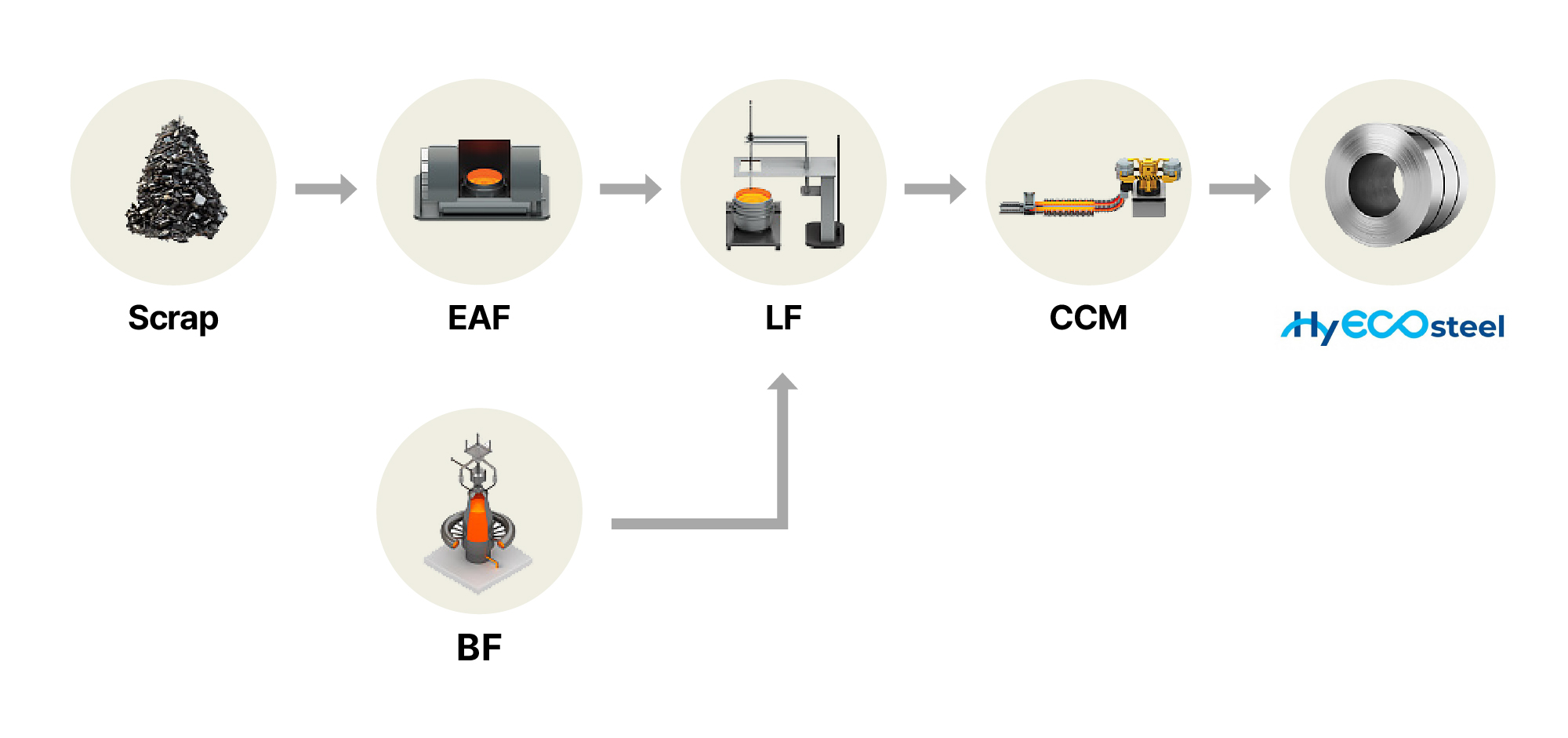
The “electric arc furnace–blast furnace hybrid process” combines these two methods. First, scrap iron is melted in an electric arc furnace to produce molten iron. This molten iron is then fed into a converter along with blast furnace molten iron, which has a stable composition. In the converter, the two streams of molten iron are combined; carbon and impurities are removed, and the composition is adjusted to meet the specifications of the desired automotive steel grade. Subsequently, during the secondary refining process, the purity and composition of the molten steel are managed with even greater precision.
“Simply put, the blast furnace ensures quality stability, while the electric arc furnace reduces the amount of blast furnace steel used. The electric arc furnace and secondary refining then work together to refine the two molten steels into a quality suitable for automotive steel sheets.” As Senior Research Engineer Seunghwan Shin noted, the key is not to completely replace one method with the other. Rather, the goal is to increase the use of electric arc furnace (EAF) molten steel to reduce the consumption of blast furnace pig iron and carbon emissions, while combining this with the quality stability of the existing blast furnace-based production process.
Hyundai Steel’s “HyECOsteel,” currently in mass production, is a steel sheet developed with the goal of reducing carbon emissions during the production stage by approximately 20% compared to the company’s existing blast furnace-based products. HyECOsteel aims to reduce carbon emissions during production while maintaining the performance of conventional steel sheets.
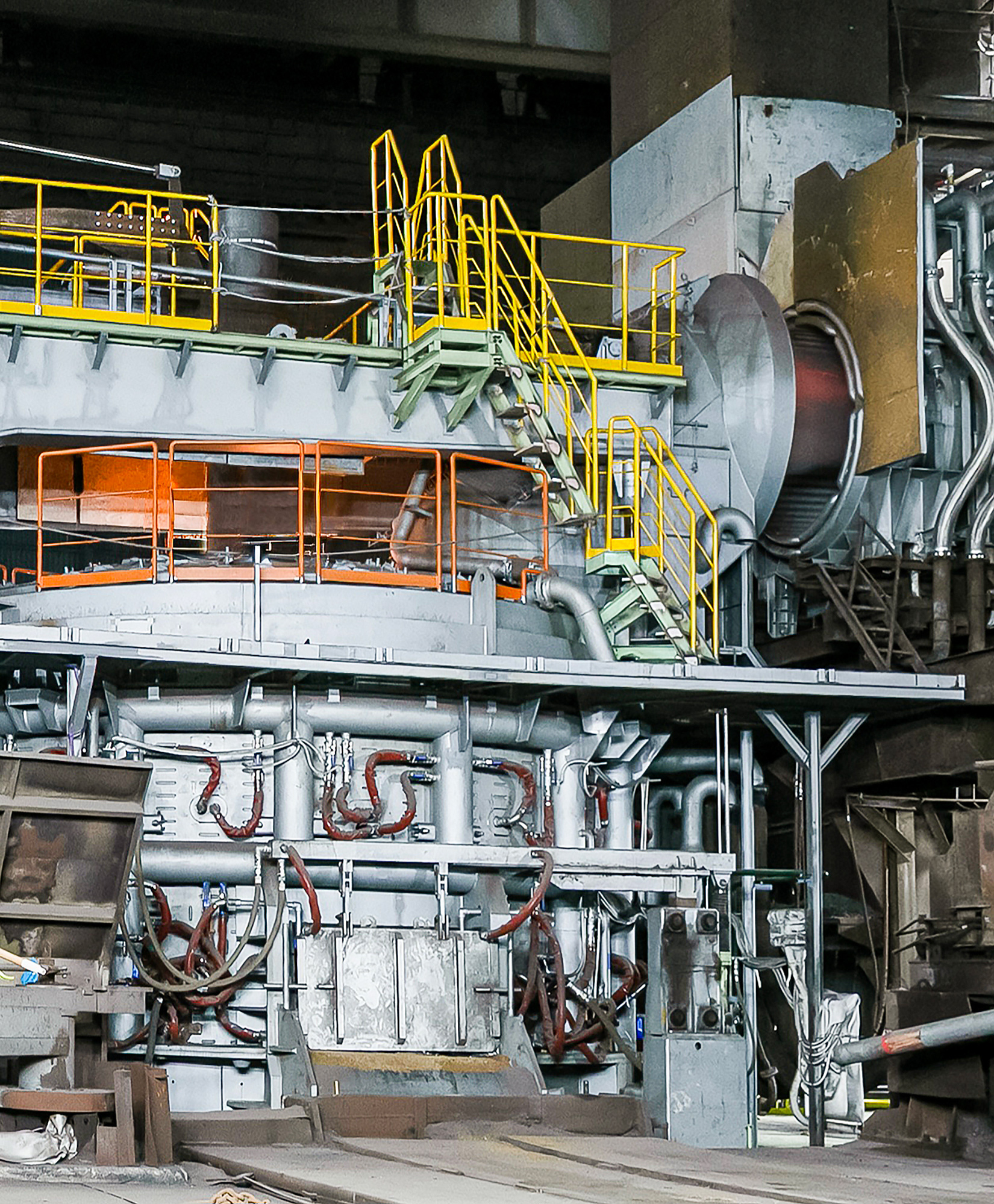
While the current electric arc furnace–blast furnace hybrid process is a method for gradually reducing carbon emissions by utilizing existing production infrastructure, the next stage of technology is needed to further reduce the use of carbon-based raw materials in the iron ore reduction process. A prime example of this is “hydrogen-based ironmaking.” To extract iron from iron ore, the oxygen bound to the ore must be removed. In conventional blast furnaces, carbon-based reducing agents such as coke perform this role; however, this process generates carbon dioxide as oxygen and carbon combine.
Hydrogen-based ironmaking uses hydrogen instead of carbon to remove oxygen from iron ore. Since oxygen reacts with hydrogen instead of carbon, the primary byproduct is water rather than carbon dioxide. Senior Research Engineer Seunghwan Shin explains, “While the hybrid process is a current commercial technology that gradually reduces carbon emissions by utilizing existing facilities, hydrogen-based ironmaking is a medium- to long-term technology that changes the emissions structure itself by switching the reducing agent from carbon to hydrogen.”
However, simply changing the underlying principle does not mean the technology can be commercialized immediately. First, a stable supply of hydrogen and power infrastructure on a large scale must be secured. In addition to infrastructure for storing and transporting hydrogen, steel mills require direct reduction facilities to reduce iron ore with hydrogen, as well as large electric arc furnaces to melt the resulting reduced iron. This goes beyond simply replacing a single existing blast furnace with new equipment; it requires transforming the entire steel mill production system, including raw materials, energy, and logistics.
The challenge of ensuring the quality of automotive steel sheets also remains. Even when iron is produced using hydrogen, precise control over nitrogen, residual elements, and non-metallic inclusions is essential for the material to ultimately be used in automobiles. Therefore, current carbon emission reduction strategies are moving toward the phased application of multiple technologies rather than relying on a single one. This approach involves reducing the use of blast furnace molten iron through a hybrid process, advancing electric arc furnace technology to expand the utilization of various iron sources—such as scrap and direct-reduced iron—while preparing for hydrogen-reduced steelmaking in the long term.
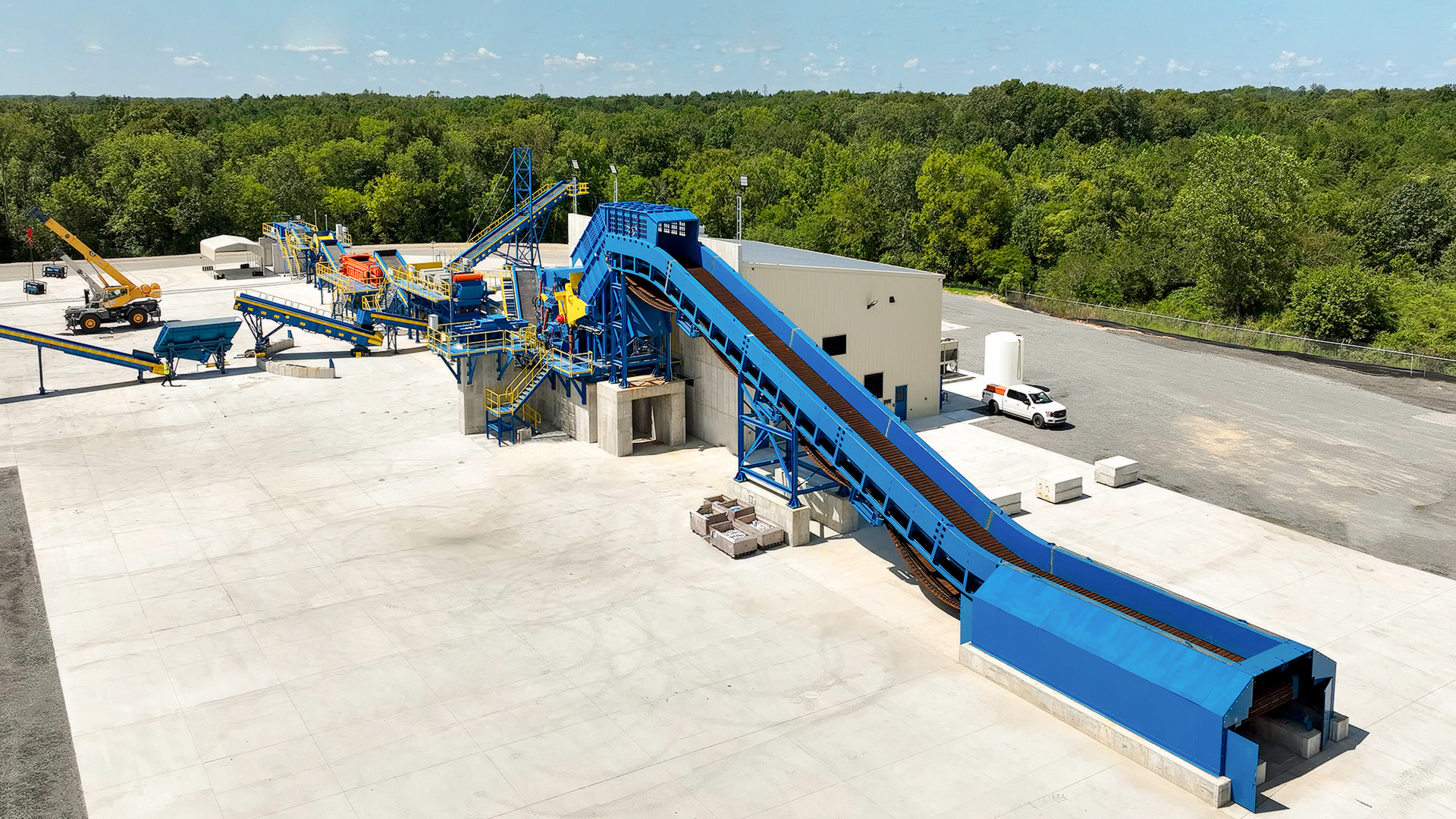
Several underlying technologies are also advancing in tandem. Hyundai Steel is developing AI-based scrap management technology. By analyzing scrap grades and composition data to optimize sorting and blending, the company can manage variations in residual elements more consistently. While this technology does not directly reduce carbon emissions, it lays the foundation for expanding the application of electric arc furnace (EAF) molten steel in high-grade automotive steels.
Research is also underway to improve the energy efficiency of electric arc furnaces. Since electric arc furnaces consume a significant amount of electricity, reducing the amount of electricity required to produce one ton of product can lower not only production costs but also the indirect carbon emissions resulting from electricity consumption. Carbon Capture, Utilization, and Storage (CCUS) technology—which captures, utilizes, and stores carbon dioxide emitted during the production process—is another complementary measure. This is because even as hydrogen-reduced ironmaking and the use of low-carbon electricity expand in the future, some residual emissions may still occur.
Hyundai Steel’s production technology is also preparing for the next phase in line with these changes. Based on the current electric arc furnace–blast furnace hybrid process, the company plans to further advance electric arc furnace technology and, in the long term, gradually transition to hydrogen-reduced steelmaking. What is important is that the evolution of automotive steel sheets does not stop at the performance of the material itself. Moving beyond the development of stronger and lighter steel sheets, the company is now targeting the steel sheet manufacturing process itself for innovation. In essence, changes in the automotive industry are redefining the role and technology of steel.
Hyundai Steel, which has supported automotive safety and lightweighting through ultra-high-strength steel and hot-stamping, is now taking on the new challenge of transforming its production methods. As automobiles evolve into a new generation, how should the steel that forms their foundation change? This is why we look forward to Hyundai Steel’s next steps as it seeks the answer by innovating both materials and processes.
Photo: Taekwon Lee