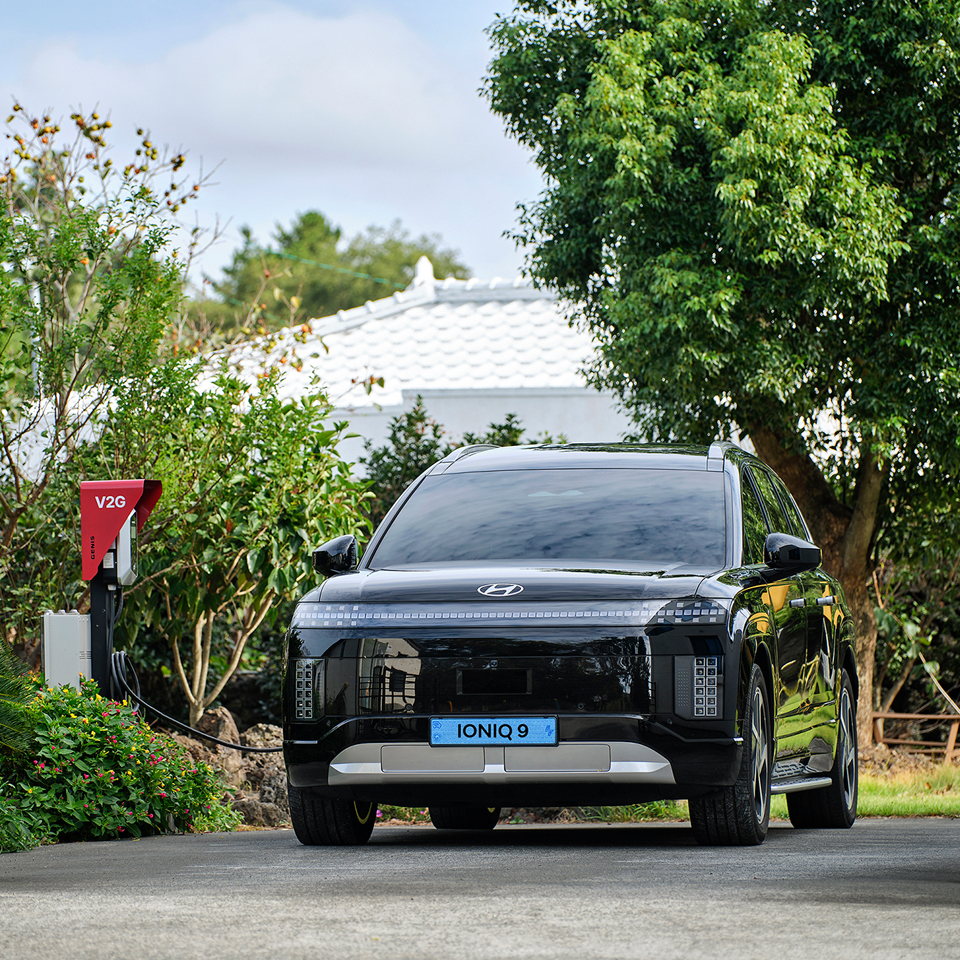
A New Role for Electric Vehicles, as Demonstrated in the Jeju V2G Pilot Project
- Hyundai Motor Group
- 2026.10.16
- 분량11min
- 조회수 82Views
AI summarized the main points
AI-generated summary. Please refer to the full article for precise details.
Cars spend a significant portion of the day stationary in parking lots. While the engine is off, they temporarily cease to function as a means of transportation. However, the story will be different for electric vehicles, when they are equipped with high-capacity batteries. This is thanks to “V2G (Vehicle-to-Grid),” a bidirectional power technology that allows the battery to be charged when travel is needed and sends energy to the local power grid when the vehicle is not in use.
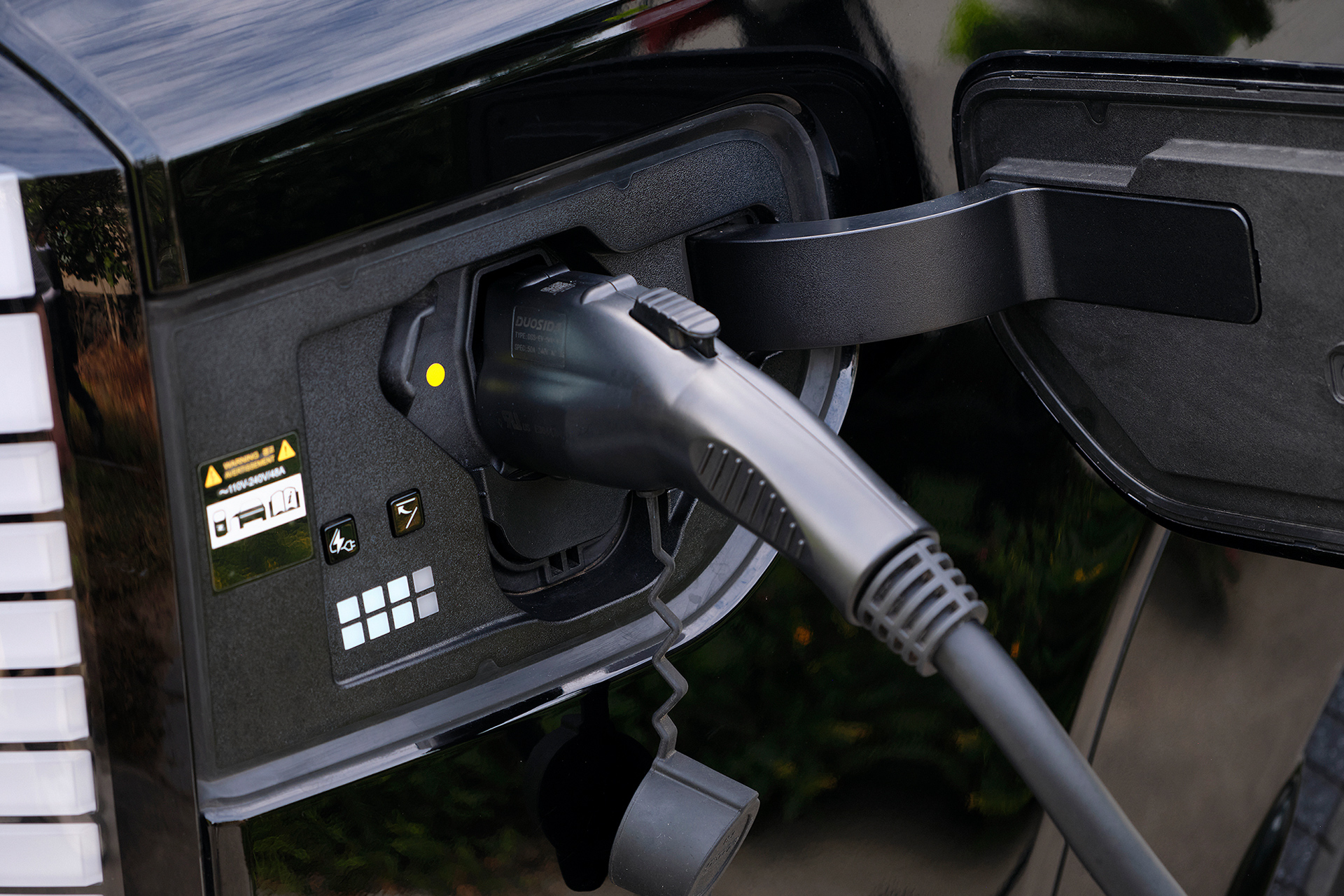
Until now, the external power supply capabilities we’ve been able to enjoy with electric vehicles have been limited to the “V2L (Vehicle-to-Load)” stage, which powers small appliances during outdoor activities like camping. While V2G is similar to V2L in that it draws power back from the electric vehicle, the range of recipients for that energy is much broader. When energy is sent to the power grid rather than to specific products or buildings, it naturally flows to wherever it’s needed at that moment. To commercialize this technology, demonstration services on a scale commensurate with its potential are essential.
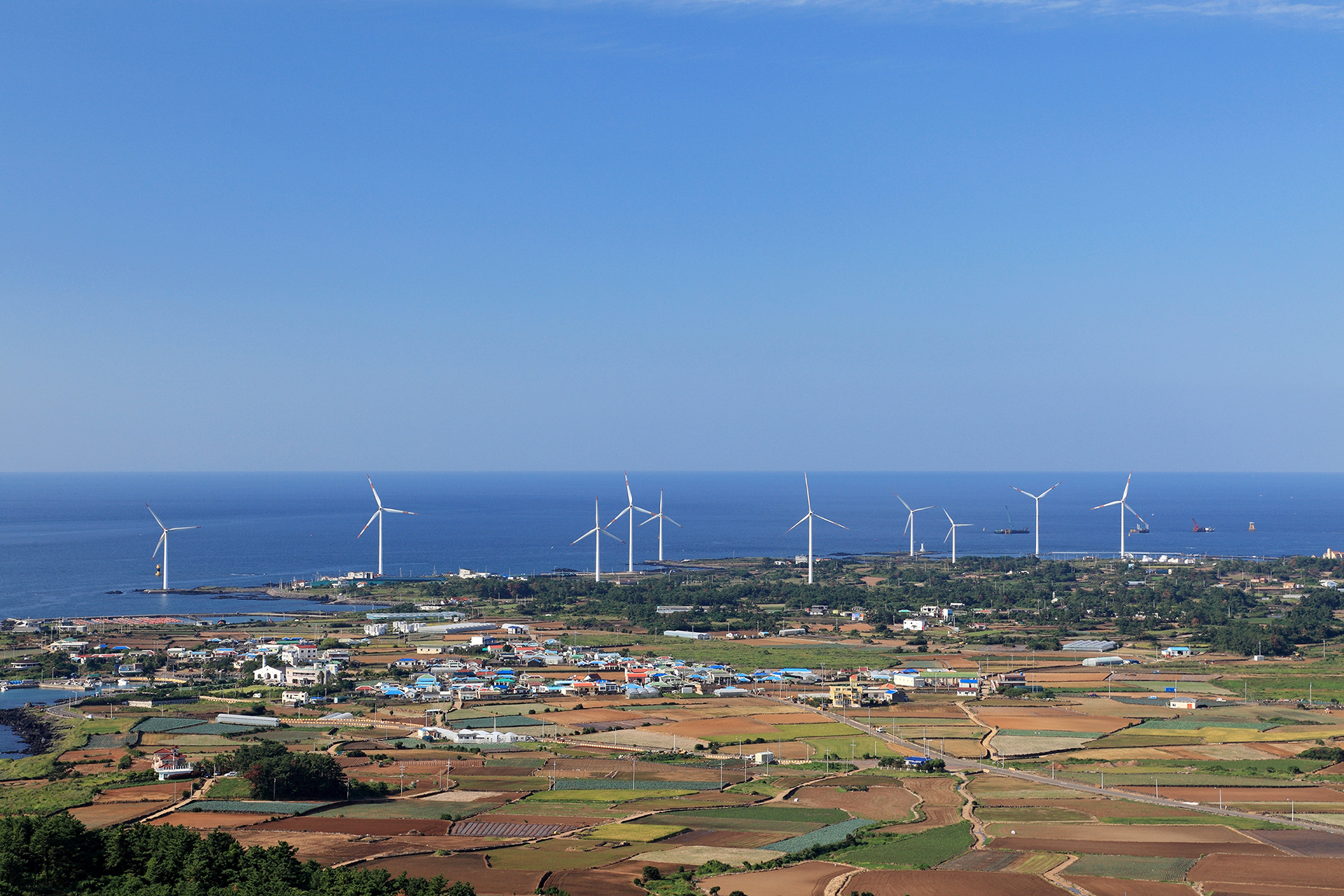
Hyundai Motor Group chose Jeju Island as the site for its V2G demonstration service due to the region’s unique characteristics and the nature of the technology. On Jeju Island, renewable energy sources such as wind and solar power account for over 20% of total energy consumption. In fact, the region’s active use of renewable energy was so significant that in 2023, the share of renewable energy even reached approximately 40% at one point. The “intermittency” of power generation—where output fluctuates sharply depending on weather conditions—is also pronounced. In fact, when power demand is low but generation is high, power generation is forcibly curtailed, and the surplus electricity is even sent to the inland regions.
In such cases, V2G can stabilize the power grid by utilizing electric vehicles scattered throughout the region as energy storage units. The excess power generated during the day is used to charge electric vehicles, and at night, energy is drawn from those vehicles for use. Compared to energy storage systems (ESS) that concentrate power in a specific location, V2G offers the advantages of not requiring separate land—other than parking lots equipped with V2G charging and discharging facilities—and having relatively lower construction costs.
Phase 1 Demonstration in Collaboration with a Large-Scale Transportation Platform
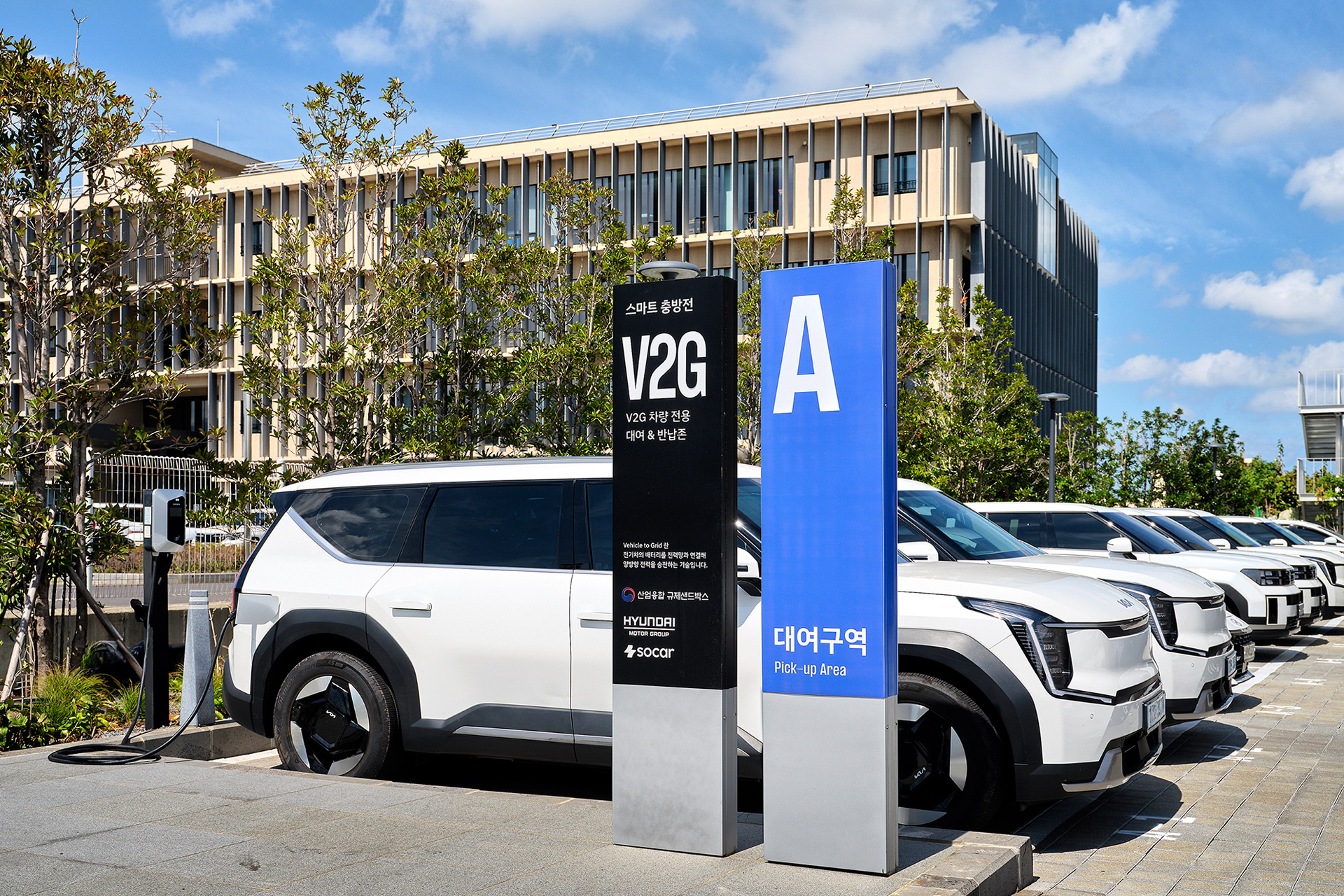
Last December, Hyundai Motor Group launched Korea’s first V2G pilot service in collaboration with the Jeju Provincial Government, the mobility platform SOCAR, the energy ICT specialized Herit, and the EV charging solutions provider GENIS Korea. To this end, 15 bidirectional V2G chargers were installed at the Jeju SOCAR Terminal near Jeju International Airport, and a total of 20 vehicles—including the Hyundai IONIQ 9 and Kia EV9—were deployed.
The primary objectives of the pilot were to validate the regulatory framework, technology, and market potential. The goal was to identify the regulations necessary for the commercialization of V2G and to advance power control technology for both vehicles and chargers. First, safety inspection standards for chargers were established. Unlike standard charging facilities, safety standards for bidirectional chargers were not yet clearly defined. Therefore, in consultation with the government, the group proposed safety inspection standards that took into account factors such as the discharge output of chargers and vehicles.
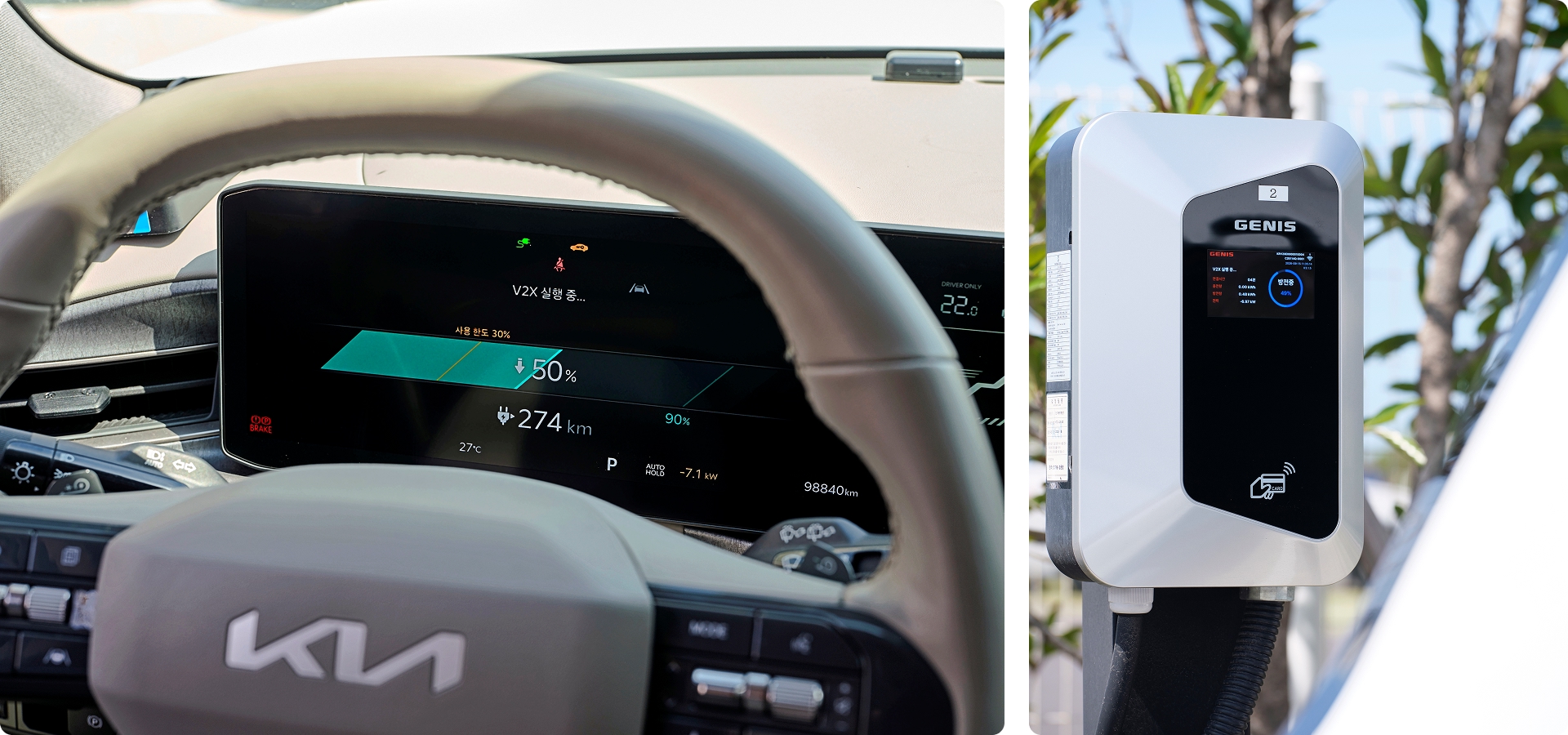
We also demonstrated that V2G can be utilized as a “flexible resource.” Flexible resources refer to infrastructure—such as energy storage systems (ESS) or pumped-storage hydropower—that can flexibly adjust electricity production and consumption. Through an analysis of hourly charging and discharging loads and electricity demand conducted in collaboration with Korea Electric Power Corporation (KEPCO), we confirmed with data that V2G can help smooth out the flow in the local distribution grid. Based on these results, electric vehicles are set to be officially registered as local flexibility resources.
V2G Integrated into the Lives of Jeju Island EV Owners
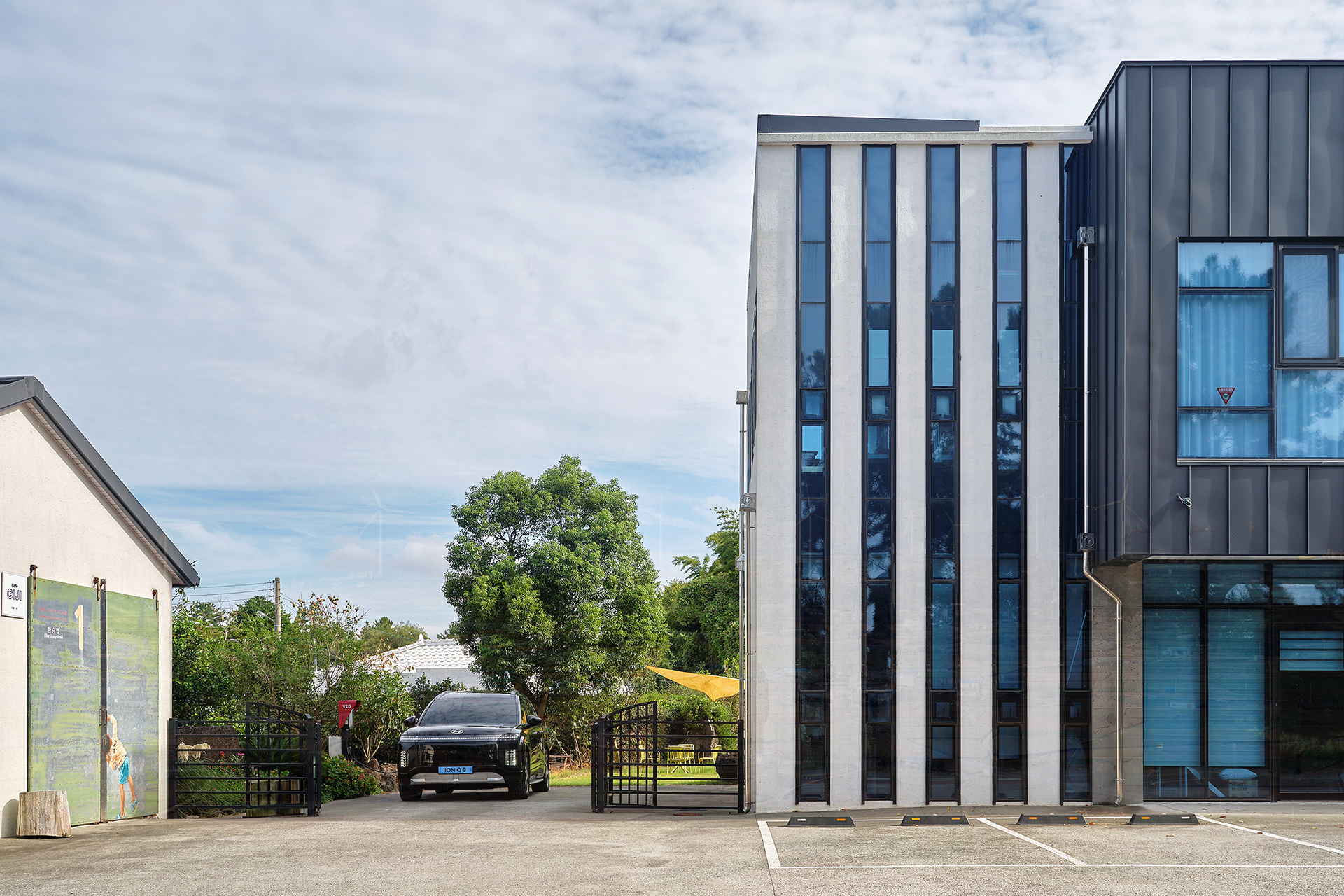
The B2B pilot project with the mobility platform SOCAR led to a B2C pilot service involving Jeju residents. The program was conducted with 40 IONIQ 9 and EV9 owners living across Jeju Island. Most customers showed a high level of interest in energy services and decided to participate, drawn by the economic benefits of V2G and the opportunity to experience new technology. Participants came from a wide range of occupations, from self-employed business and agriculture industry to office workers and those in the leisure industry, which also made it easier to collect data across different times of day.
-

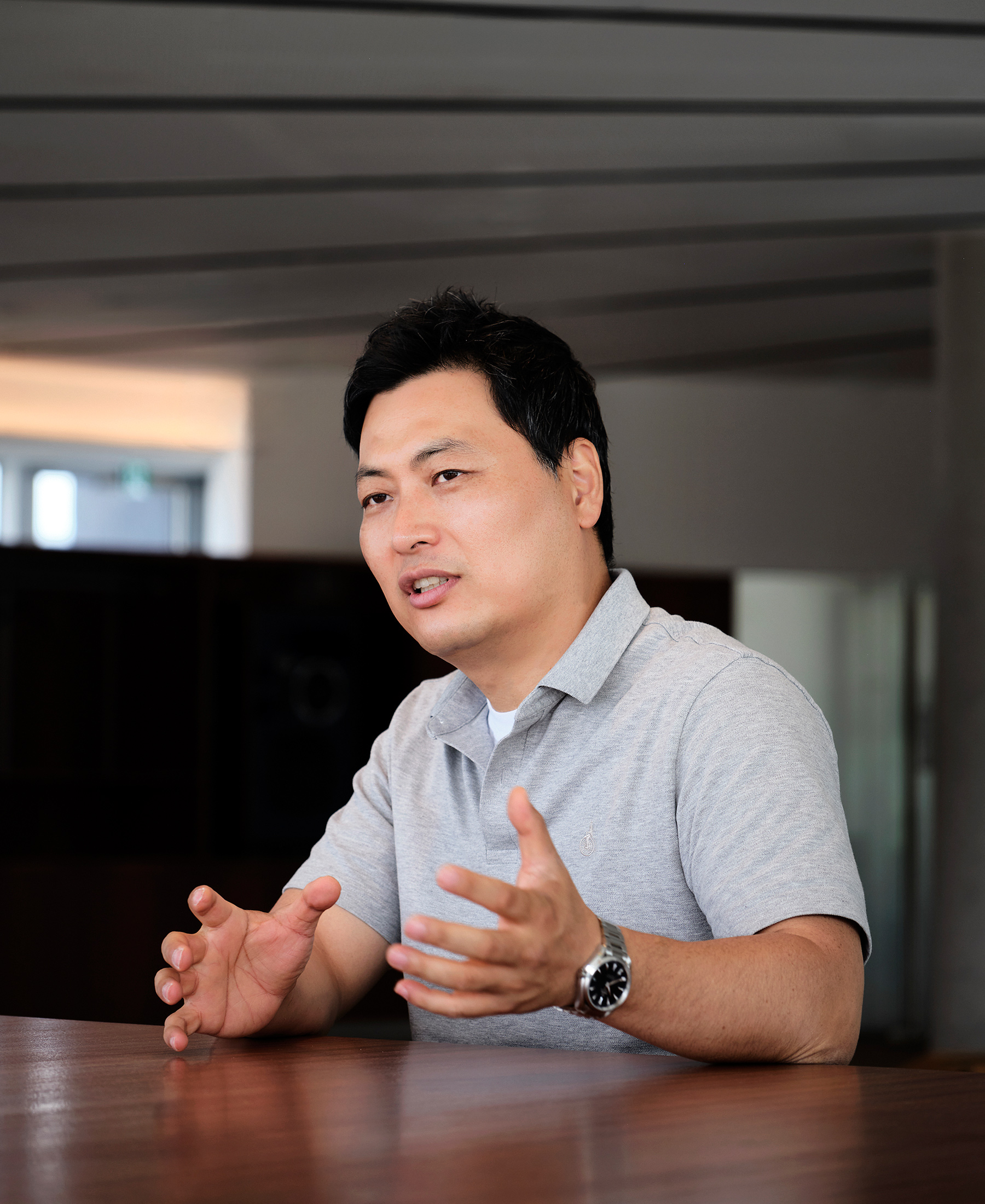
Minhyoung Kim, Senior Manager, Hyundai Motor Group EV V2X Team -
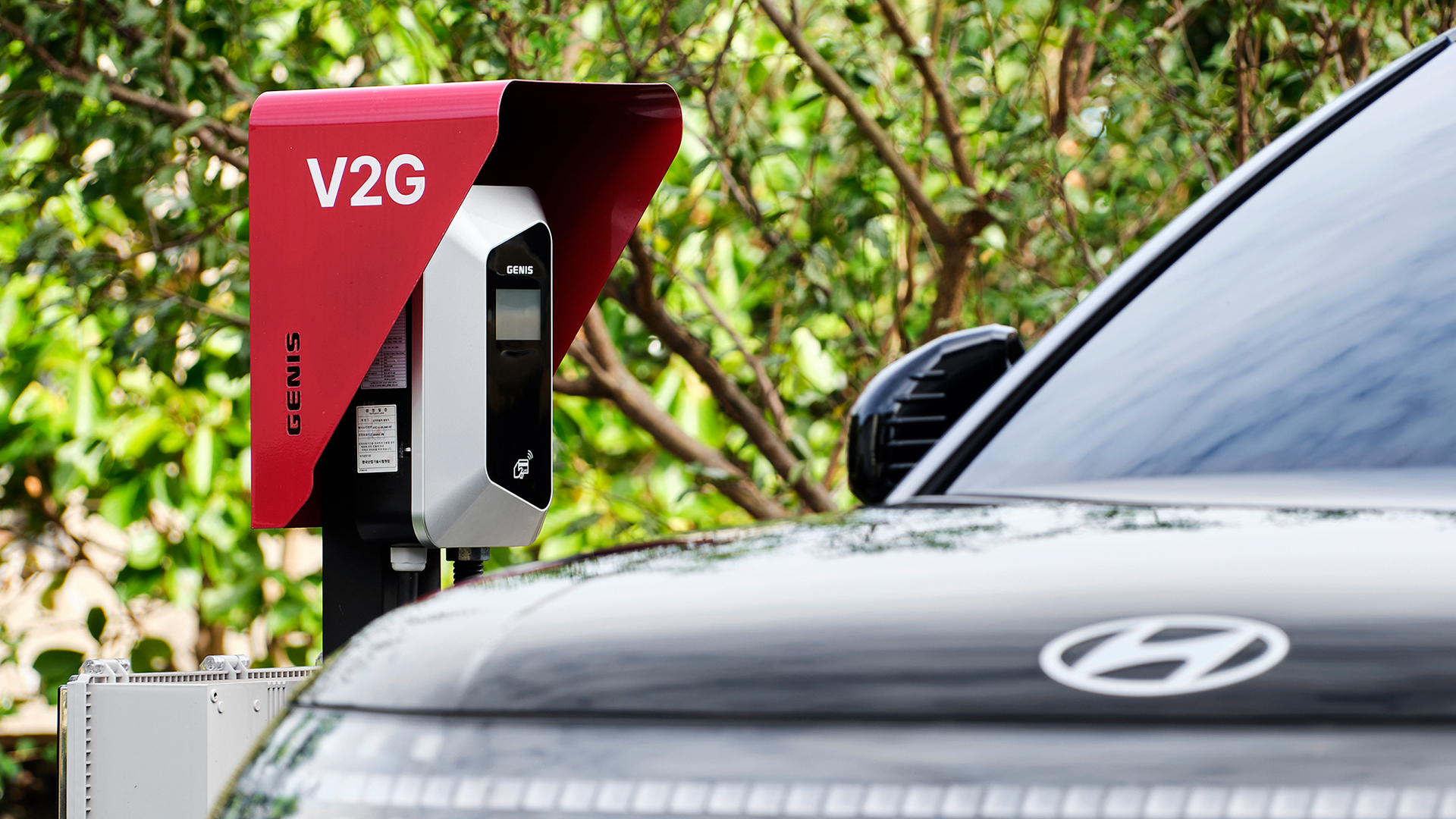
Minhyoung Kim, Senior Manager of Hyundai Motor Group’s EV V2X Team, who is leading this project, explained the need for a pilot program targeting individual customers as follows. “We wanted to assess how V2G could be utilized amid diverse vehicle mobility patterns. We expanded the scope of the pilot service to observe how naturally V2G operates in the daily lives of general customers with varying characteristics—such as place of residence, occupation, and commute times—and to discover new value in V2G through this process.” Eventually, in May, the full-scale pilot began when Hyundai Motor Group installed bidirectional chargers free of charge at the participating customers’ homes and workplaces.
The preparation process for this personalized service differed from previous pilot projects right from the outset. The V2G chargers at the Jeju SOCAR Terminal used a dedicated algorithm to analyze battery levels and time of day, automatically switching between charging and discharging modes. However, since the daily routines of Jeju residents participating in the project varied widely, a scheduling feature was needed that would allow them to connect to the power grid without disrupting their daily lives.
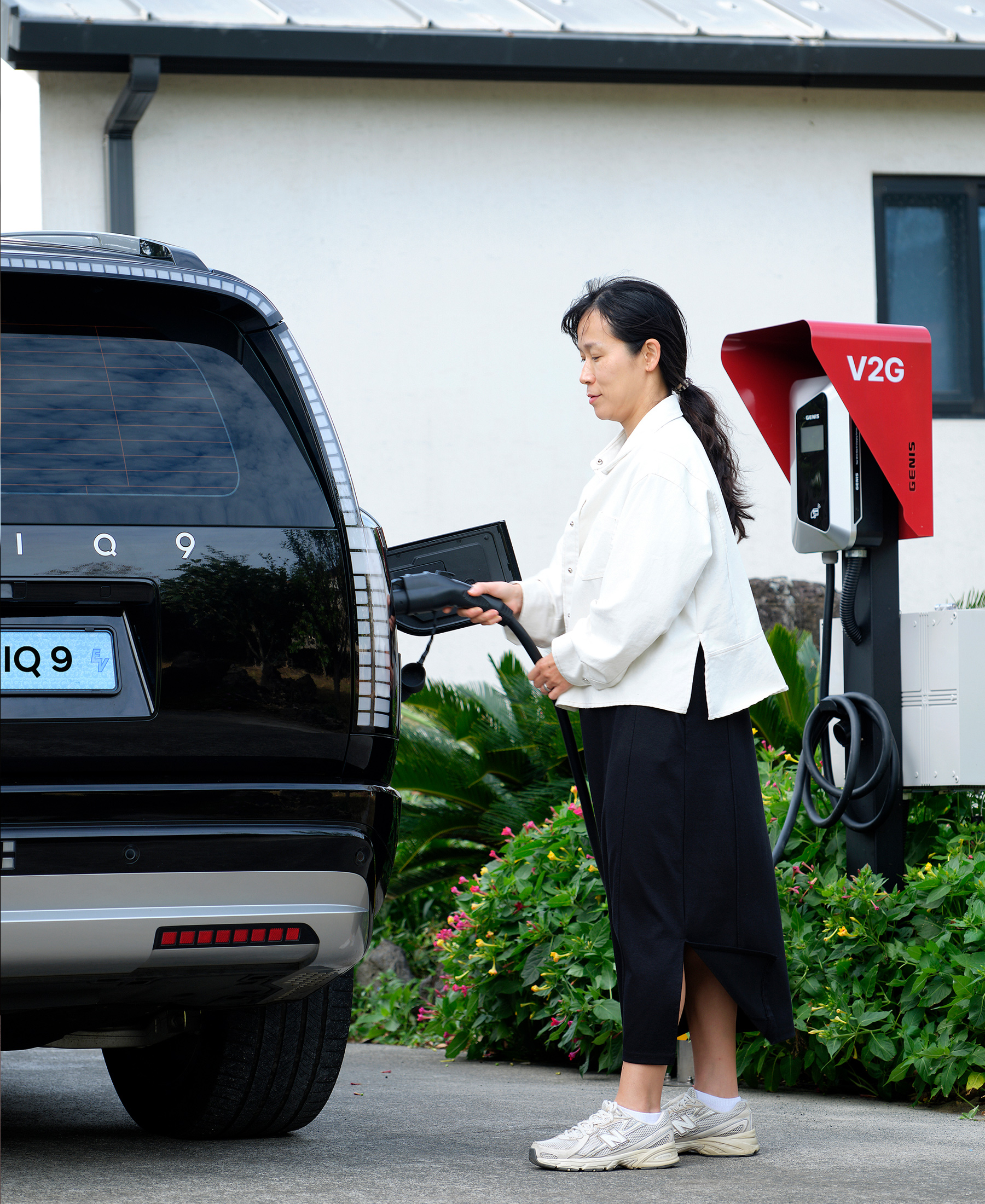
To address this, the EV V2X team added a “My V2G” tab within the E-pit app—Hyundai Motor Group’s dedicated EV app—for pilot service participants. By entering their individual daily routines, such as work hours and days of the week, into the vehicle operation schedule management option within that menu, the system would execute charging and discharging automatically. For example, the system fully charges the battery before commuting to work and discharges it into the power grid when the vehicle isn’t in use for an extended period.
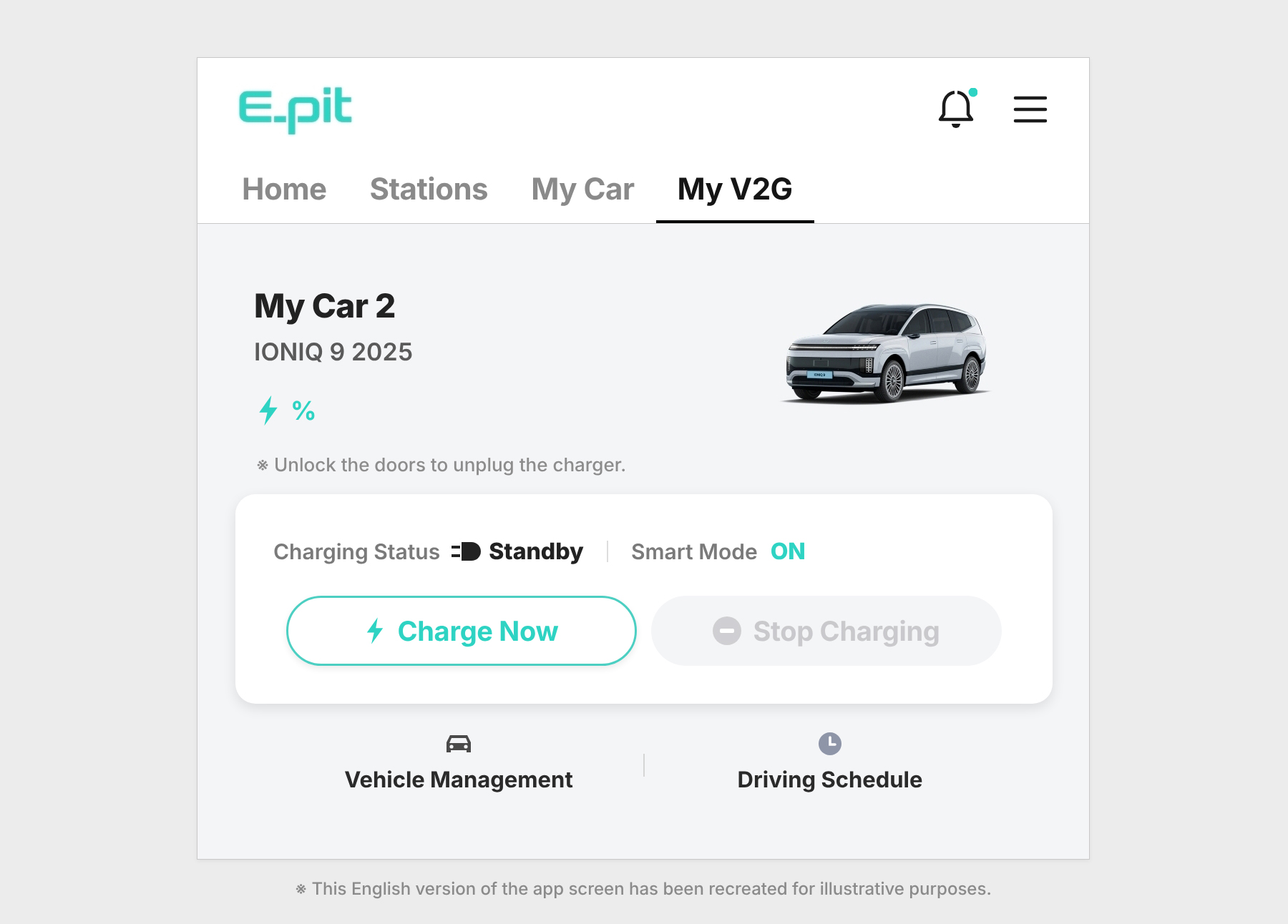
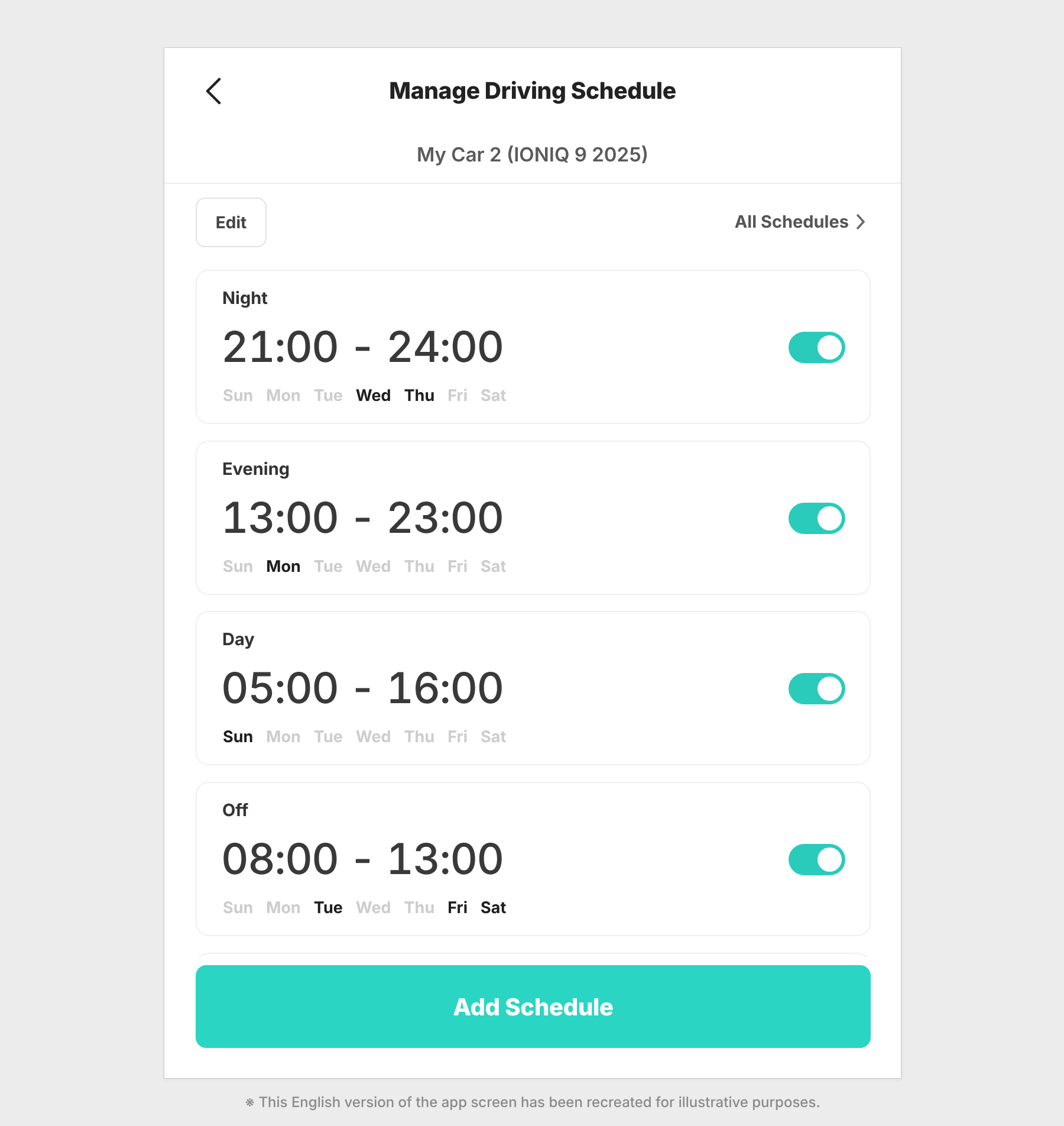
Ms. Hyangmi Go, an IONIQ 9 owner living in Hangyeong-myeon, Jeju City, who is participating in the pilot program, was also making effective use of this feature. “Before, I would plan to charge the battery once it dropped to 30%. But since joining the V2G pilot service, I always leave the cable connected when the car is parked. It operates automatically once I set the minimum and target charge levels. I’m a nurse working three-shift rotations, and when I enter my vehicle usage times based on my work schedule, the battery is charged to 80–90% right before I head to work.”
Another tangible benefit of V2G for drivers is the reduction in charging costs and the financial benefits gained through discharging. Hyundai Motor Group aims to build an ecosystem where EV owners can earn real profit through the V2G service. Simply put, the system works by charging the car when electricity rates are low and discharging it when rates are high. Currently, there are no established rates for discharged power, so participants in the pilot program are receiving benefits in the form of full reimbursement for charging costs during the trial period.
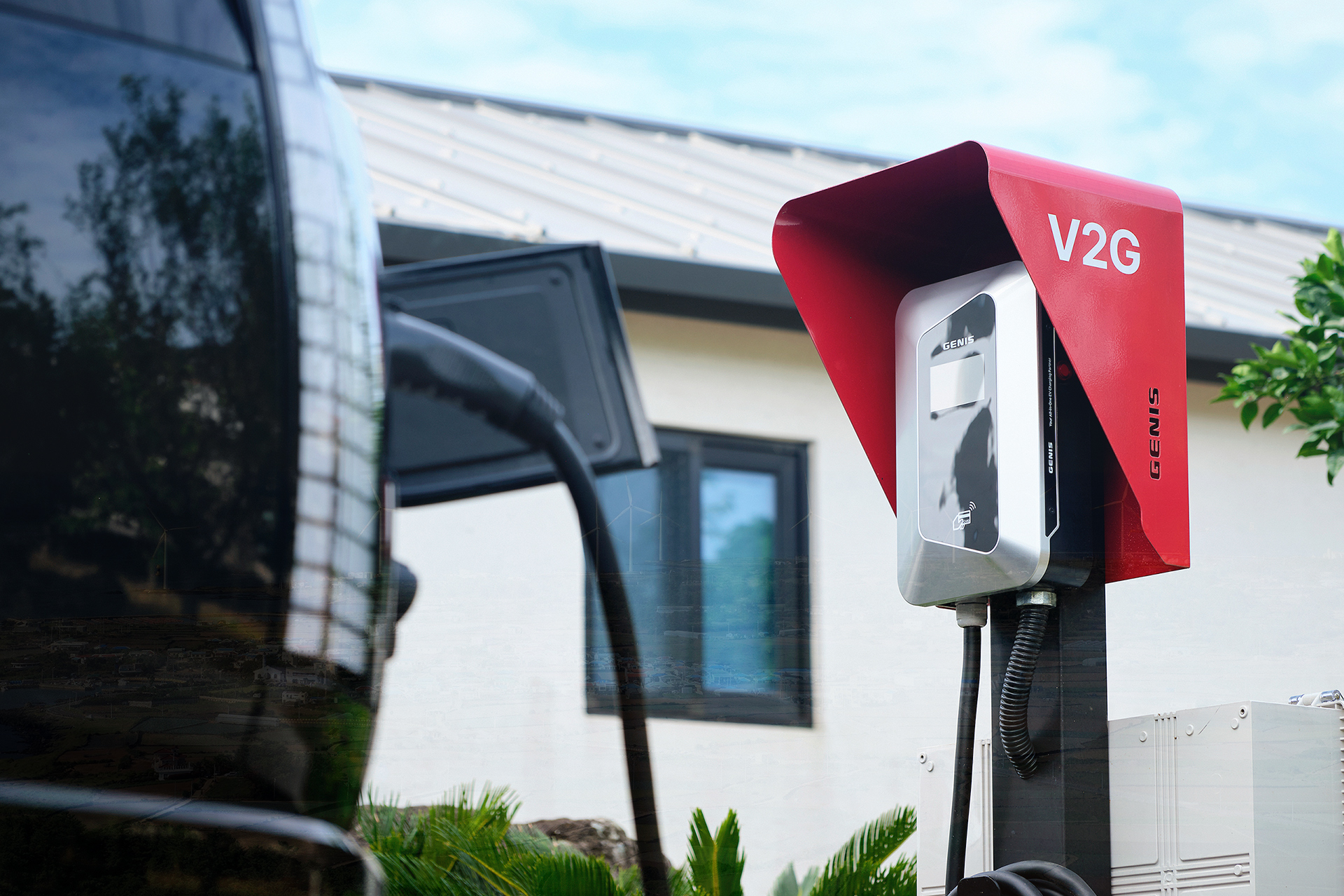
Minhyoung Kim, Senior Manager, says that above all, “habits” are key to maximizing the effectiveness of V2G. “With V2G, the connected time of the vehicle with the charger is absolutely critical. Only when the connection time is long enough can we secure resources and trade energy using those resources. Ultimately, to reap the full benefits, you must develop the habit of always connecting to a charger while parked.” This naturally routinized habit is reflected in a visual report called the “Regular Analysis Report.” It allows users to see at a glance the revenue generated from discharging and the extent of savings on charging fees, demonstrating that V2G can serve as a revenue-generating asset for consumers.
Hurdles to Overcome for V2G Commercialization
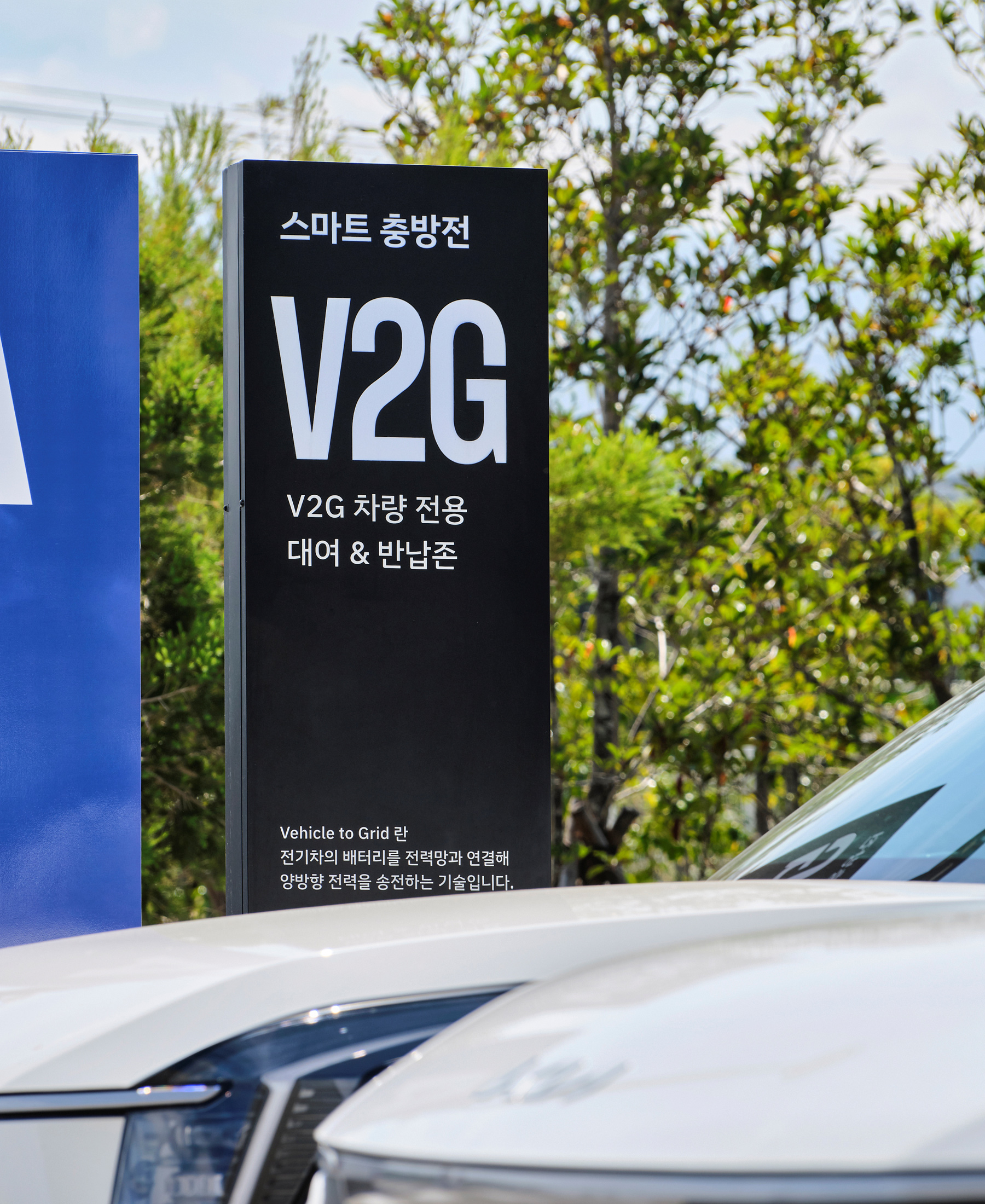
The pilot program on Jeju Island is gradually laying the groundwork for V2G infrastructure. Nevertheless, there are still many hurdles to overcome due to practical challenges that cannot be resolved in the short term.
The most critical factors are the establishment of regulatory frameworks and infrastructure. Without legal standards and a legal basis, the business itself cannot expand. One of these challenges is the creation of an electricity trading market. A clear compensation system must be put in place for ordinary drivers to experience tangible benefits in their daily lives. Currently, electricity rates in South Korea are categorized by usage purpose—such as residential, agricultural, and commercial—and by time of day, making it difficult to seamlessly integrate them with V2G, a completely new concept. Therefore, establishing clear criteria for benefits—such as through the introduction of dedicated rate plans—is essential to enhance the project’s credibility.

The type of housing is also a concern. While Jeju Island has a relatively high proportion of detached houses, major cities on the inland region have many multi-unit dwellings, such as apartment complexes. In such cases, electric vehicle charging stations fall under the public domain rather than private ownership, leading to challenges such as the allocation of V2G charging zones and revenue sharing. The solution, as always, lies in field demonstrations. Until systems are established to resolve each of these issues, we must continue to seek answers through consistent validation involving both companies and customers.
During the demonstration process, there were also variables related to charging and discharging. A prime example is the disconnection caused by a temporary voltage spike. The cause was excess electricity generated on Jeju Island. With a lack of nearby facilities to consume the power, attempting to feed electricity into the grid caused the voltage in the distribution lines to spike temporarily, automatically cutting off the connection between the charger and the vehicle to protect the equipment. In such cases, no matter how long the charging cable remains connected to the vehicle, the target charging or discharging level cannot be reached. This could potentially disrupt customers’ driving plans. Therefore, it is also necessary to advance technologies that can restore normal operations and flexibly control the flow of electricity according to the situation.
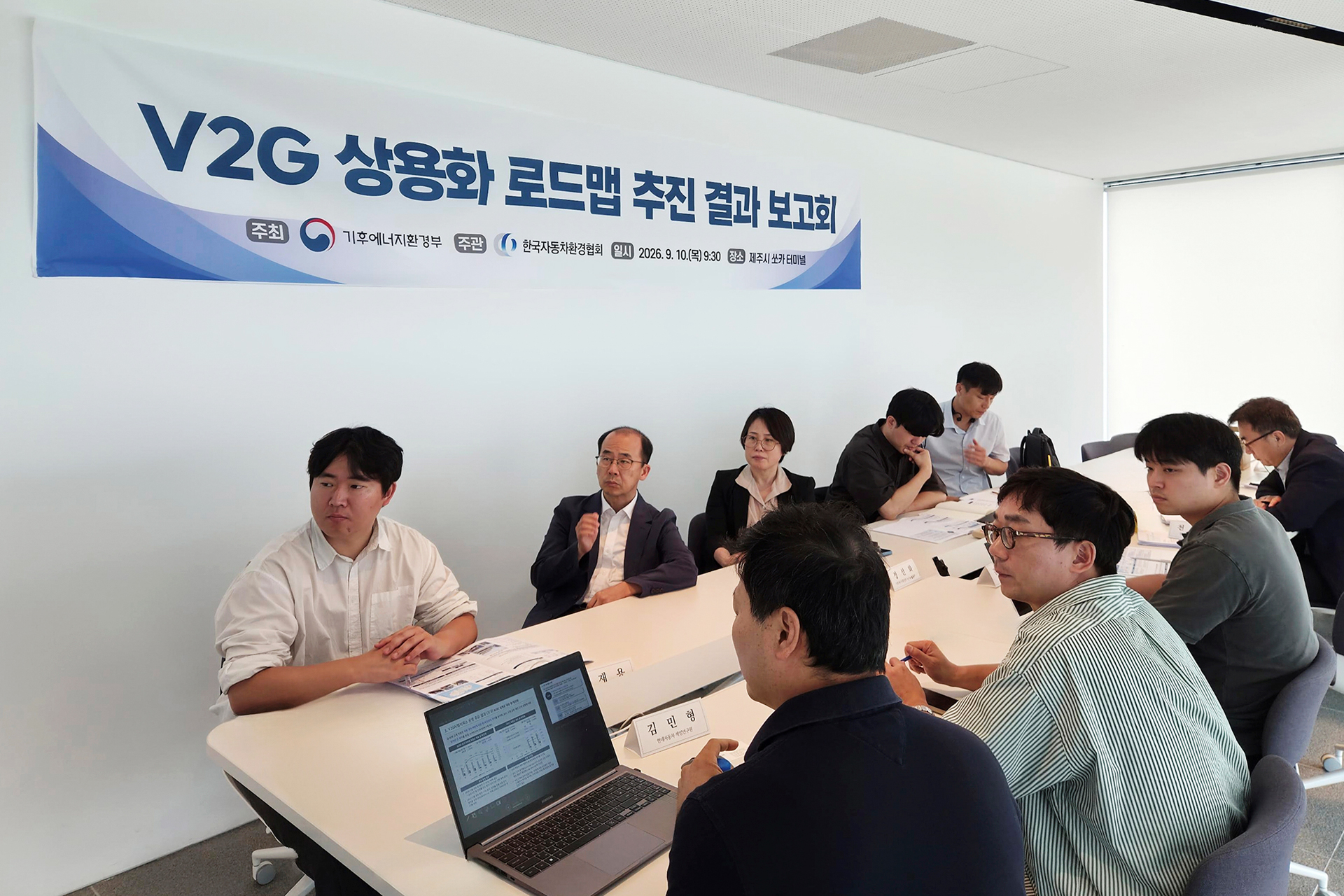
One positive sign is that the government is also paying close attention to Hyundai Motor Group’s demonstration service on Jeju Island. On September 10, officials from the government—including Seonhwa Jeong, Director General for Green Transition Policy at the Ministry of Climate, Energy, and Environment, and Gyeyoung Hwang, President of the Korea Automobile Environment Association—along with representatives from the Korea Electrotechnology Research Institute and the Korea Automobile Environment Association, visited the V2G demonstration site at the Jeju SOCAR Terminal. There, they observed a demonstration to check the actual charging and discharging processes, received a report on the progress of the V2G commercialization roadmap, and assessed the current level of technological advancement. If the government—which holds the key to establishing the necessary regulatory framework—begins to provide broad support, we may be able to experience full-scale V2G services sooner than expected.
Electric Vehicles: Transforming into a Platform Connecting Local Energy
V2G has given electric vehicles a new role as “mobile energy storage systems.” To ensure electric vehicles can seamlessly fulfill both roles—as a means of transportation and as an energy storage unit—Hyundai Motor Group continues to collect data around the clock. In the future, electric vehicles are expected to function as a platform that relieves pressure on the local power grid while parked and reduces energy waste.
Senior Manager Minhyoung Kim likened the entire power grid to a network of blood vessels to explain the role of V2G in simple terms. “If the transmission lines from power plants—which generate electricity—are like large blood vessels, such as the aorta, then the local power grid is the capillaries branching off from them. When the ‘heart’—the power plant—beats, energy flows from wider to narrower channels. V2G connects electric vehicles to the ends of these capillaries, distributing power more widely and in an appropriate direction. This reduces the burden on the aorta, allowing the overall flow of energy to become much more stable.”
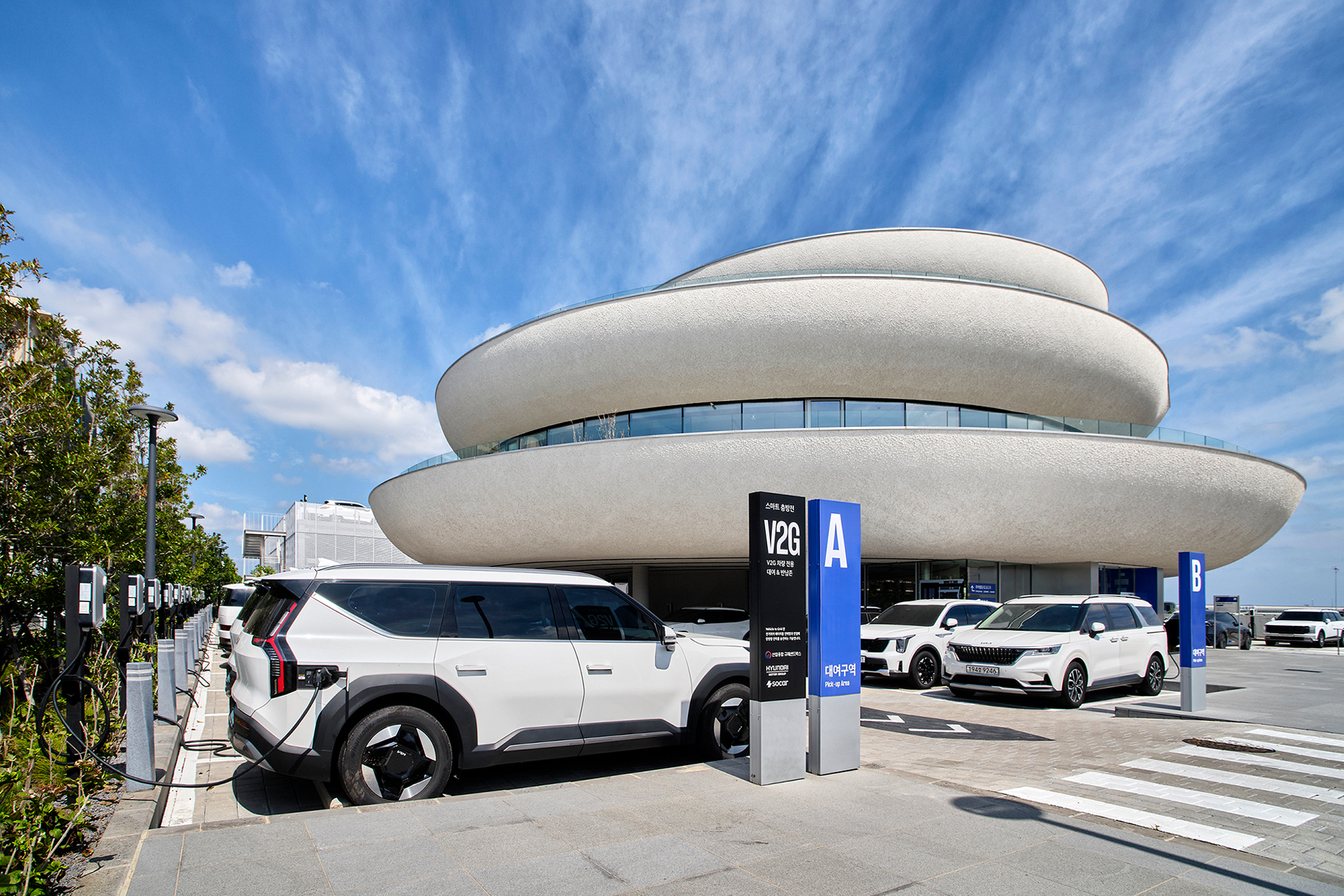
Furthermore, electric vehicles overcome the limitations of traditional power storage methods. Existing power plants and transmission grids cannot send excess power to designated locations as needed. Electric vehicles, on the other hand, can move freely. By operating them in ways such as charging in City A and discharging in City B, we can resolve energy imbalances between regions. In this way, electric vehicles serve not only as mediators that coordinate the flow of electricity but also as a means of managing energy through their primary purpose: “mobility.”
The real-world data quietly accumulating in the daily lives of Jeju residents proves the potential for future power grids and mobility to coexist. When V2G commercialization is finally realized after countless trials and errors, even a stationary electric vehicle is expected to demonstrate value simply by its presence. An era is gradually approaching in which cars on the road will become energy assets that light up our homes and circulate the nation’s energy.
Photo: Sangkuk Park