Hyundai KEFICO’s PV-ESS Ultra-Fast Charging Station: How Does It Generate and Store Electricity?
- Hyundai KEFICO
- 2026.09.30
- 분량9min
- 조회수 538Views
AI summarized the main points
AI-generated summary. Please refer to the full article for precise details.
As EV adoption grows, charging infrastructure is expanding rapidly worldwide. According to the International Energy Agency (IEA), the global stock of public charging points surpassed 7 million at the end of 2025. As high-power chargers become more widespread, operators face a growing challenge: managing not only the number and output of chargers, but also grid capacity, demand by time of day, and equipment utilization.
How charging stations obtain and use electricity is another important consideration. Instead of immediately supplying electricity drawn from the grid, operators are exploring ways to store electricity generated on-site by Photovoltaic(PV) panels—or drawn from the grid—in an ESS and deploy it when charging demand arises. This shift is driven by the fact that Korea’s public EV charging fees are now tiered based on charger output, making it increasingly important for charge point operators to determine how to procure electricity cost-effectively and allocate it during peak demand.
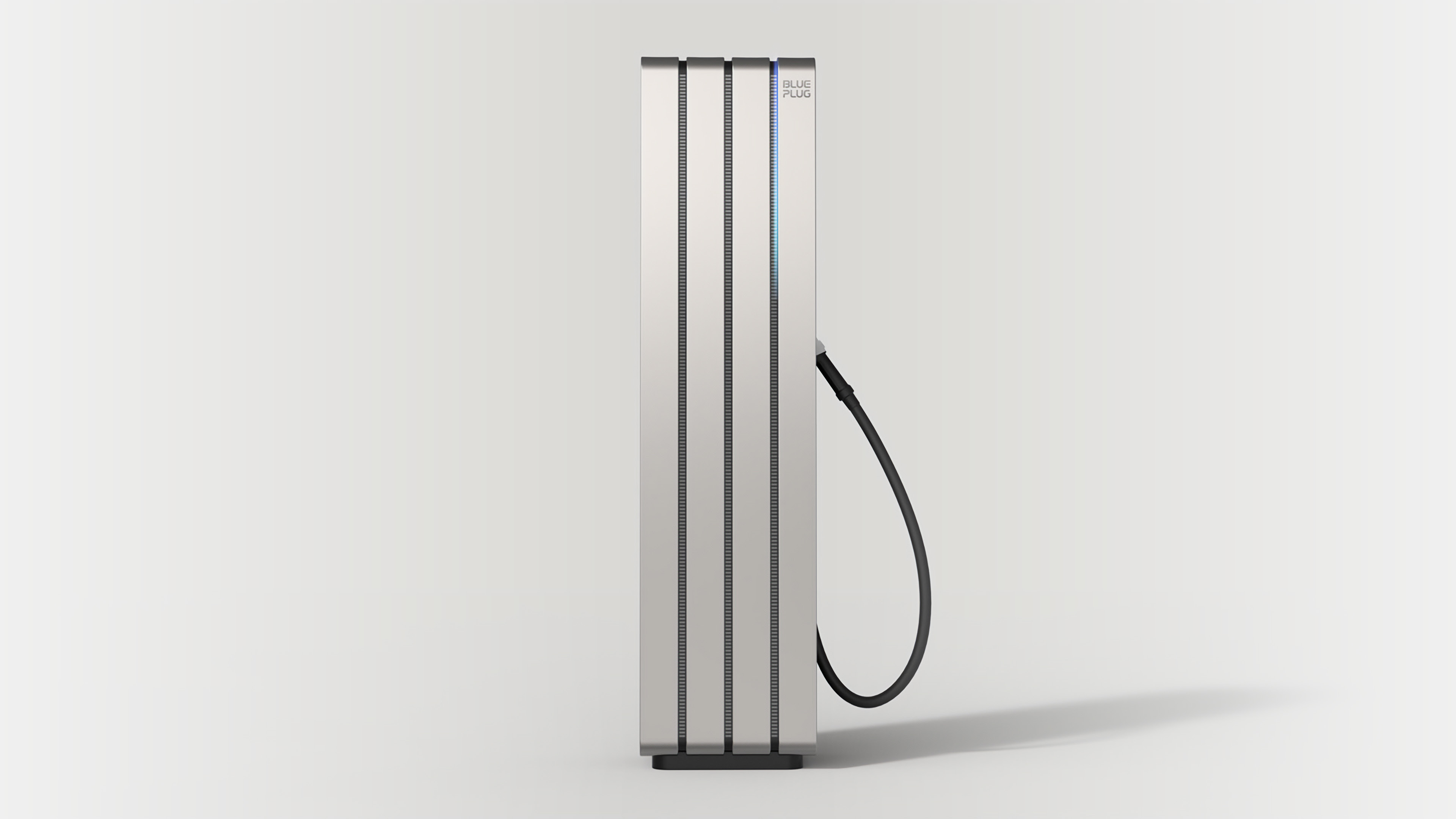
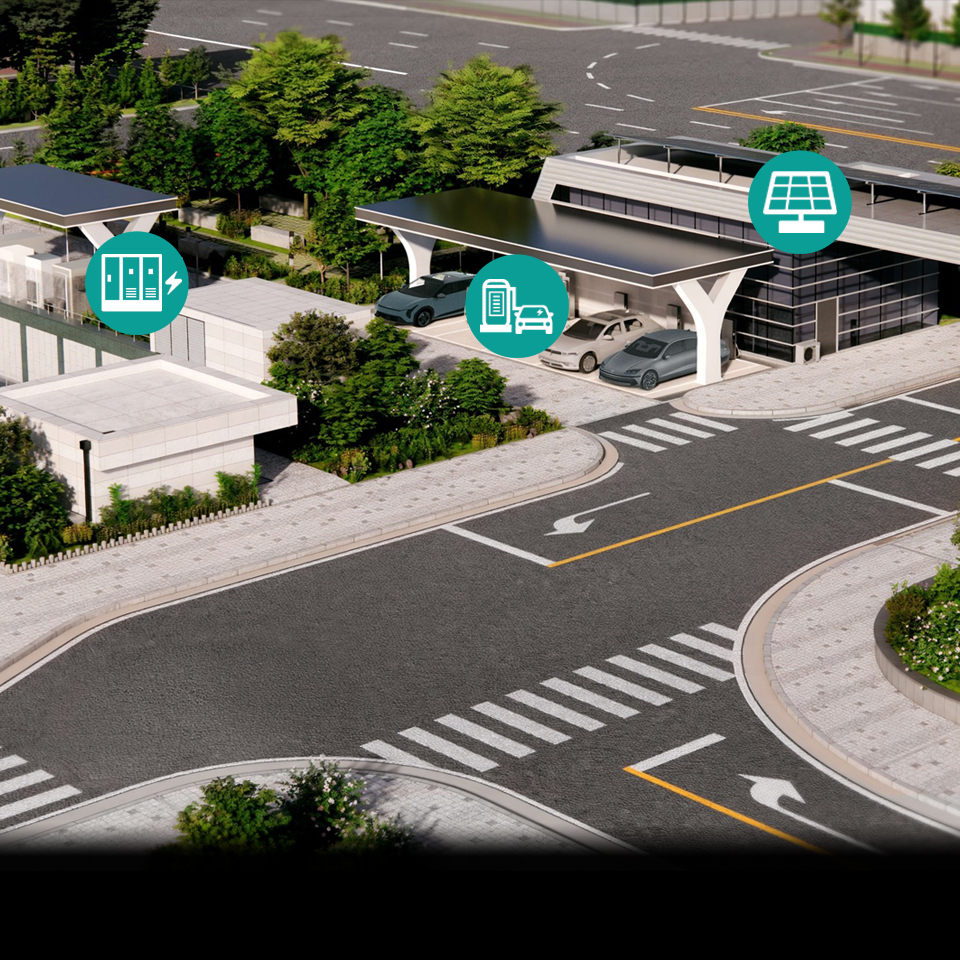
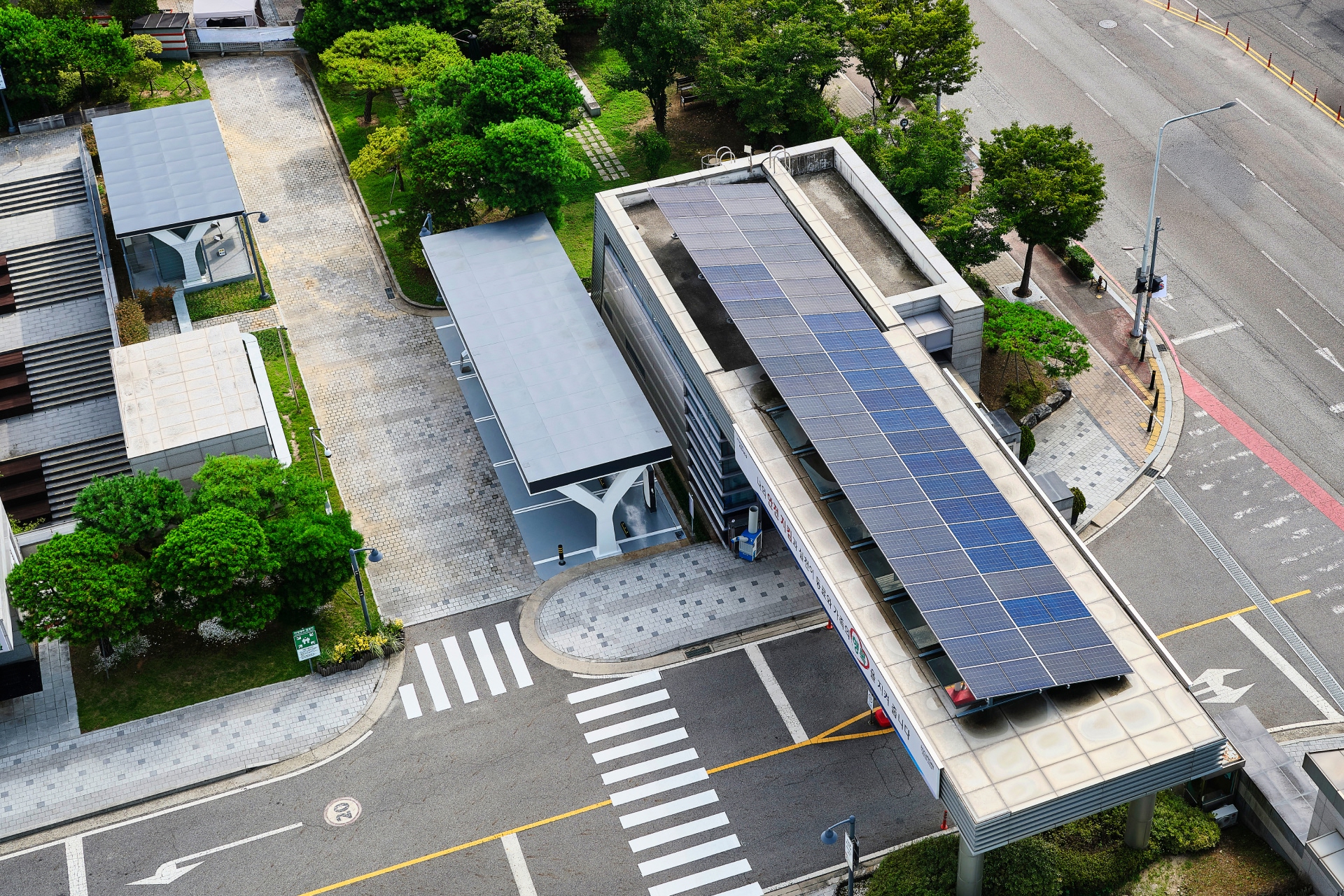
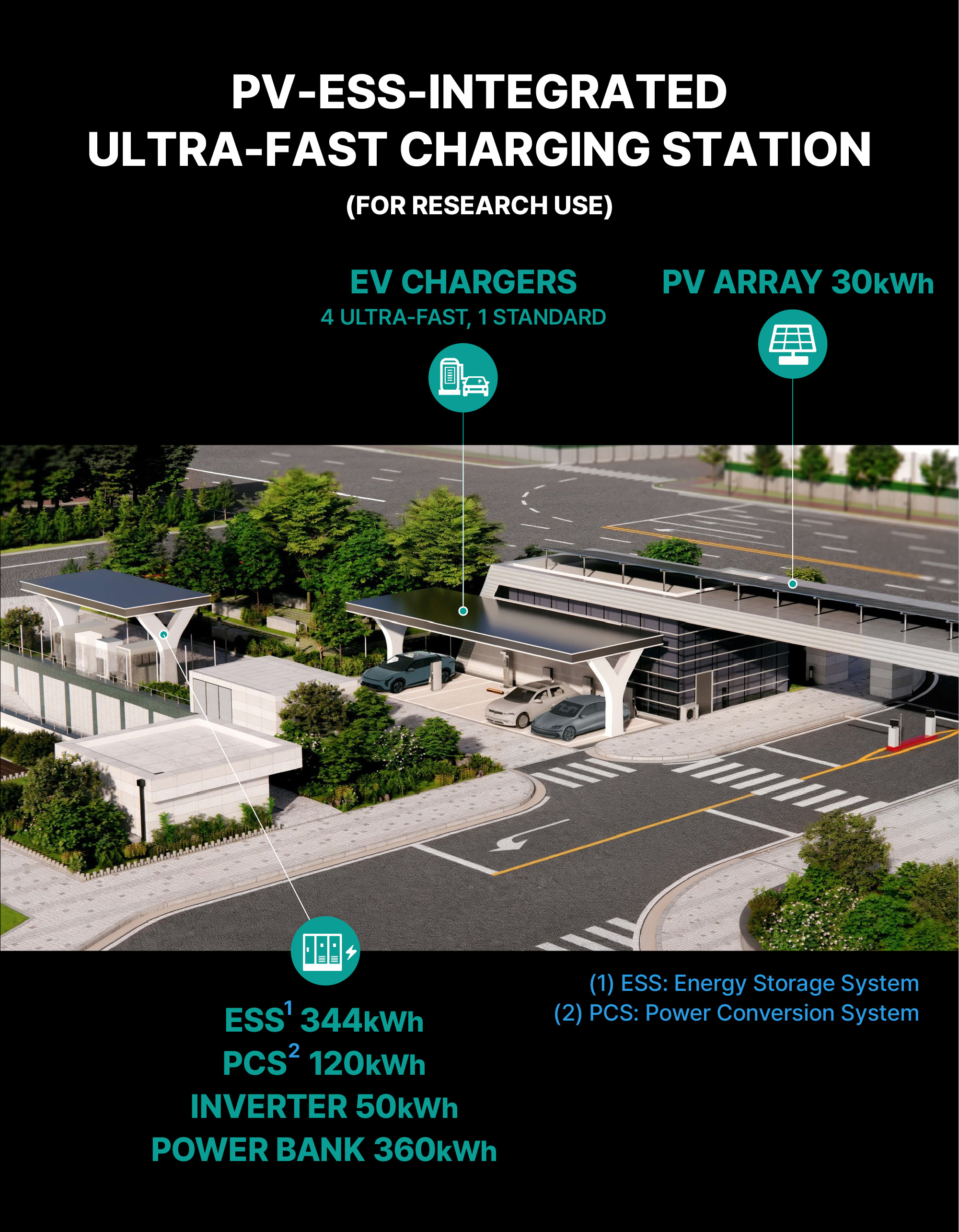
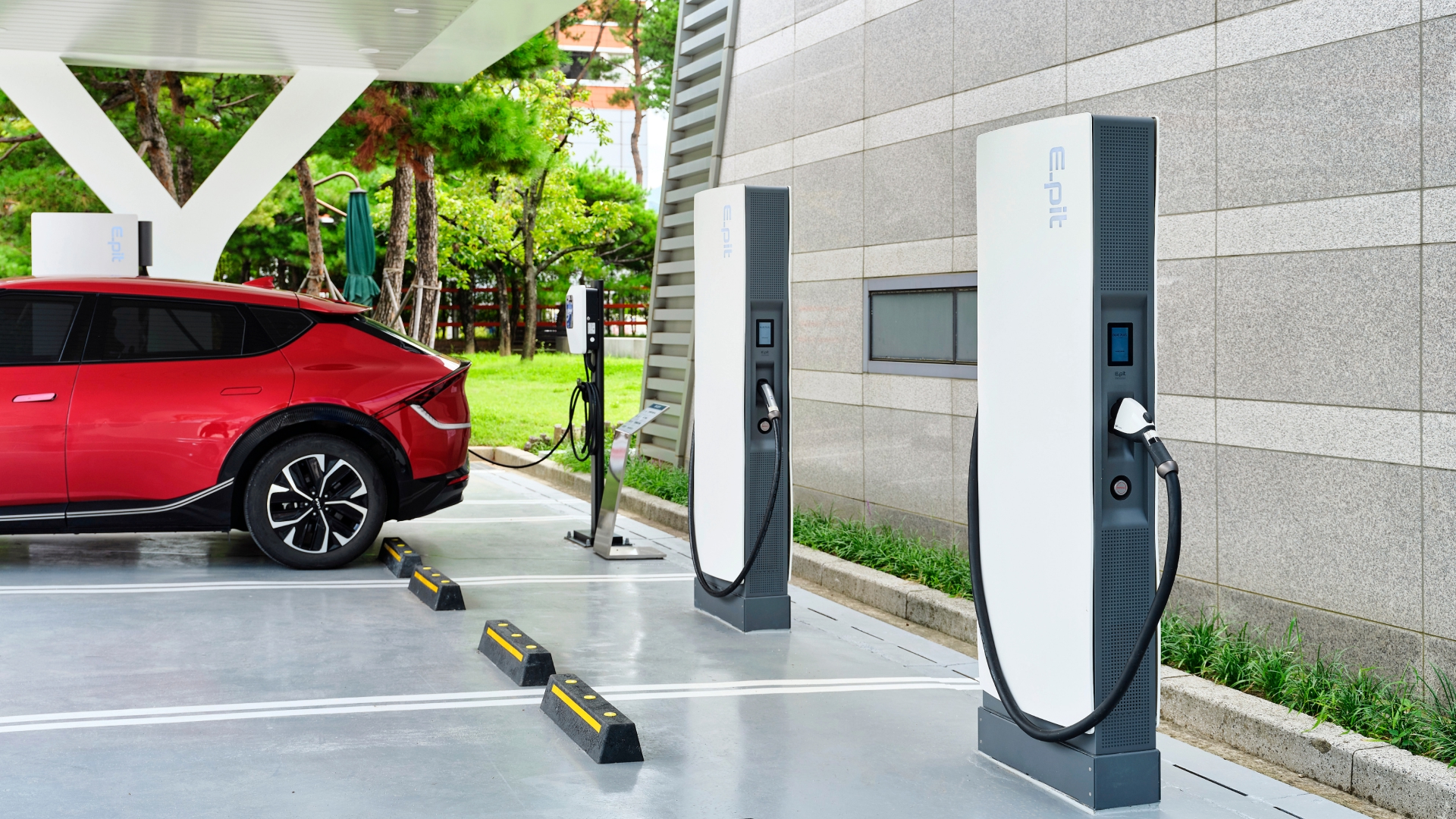
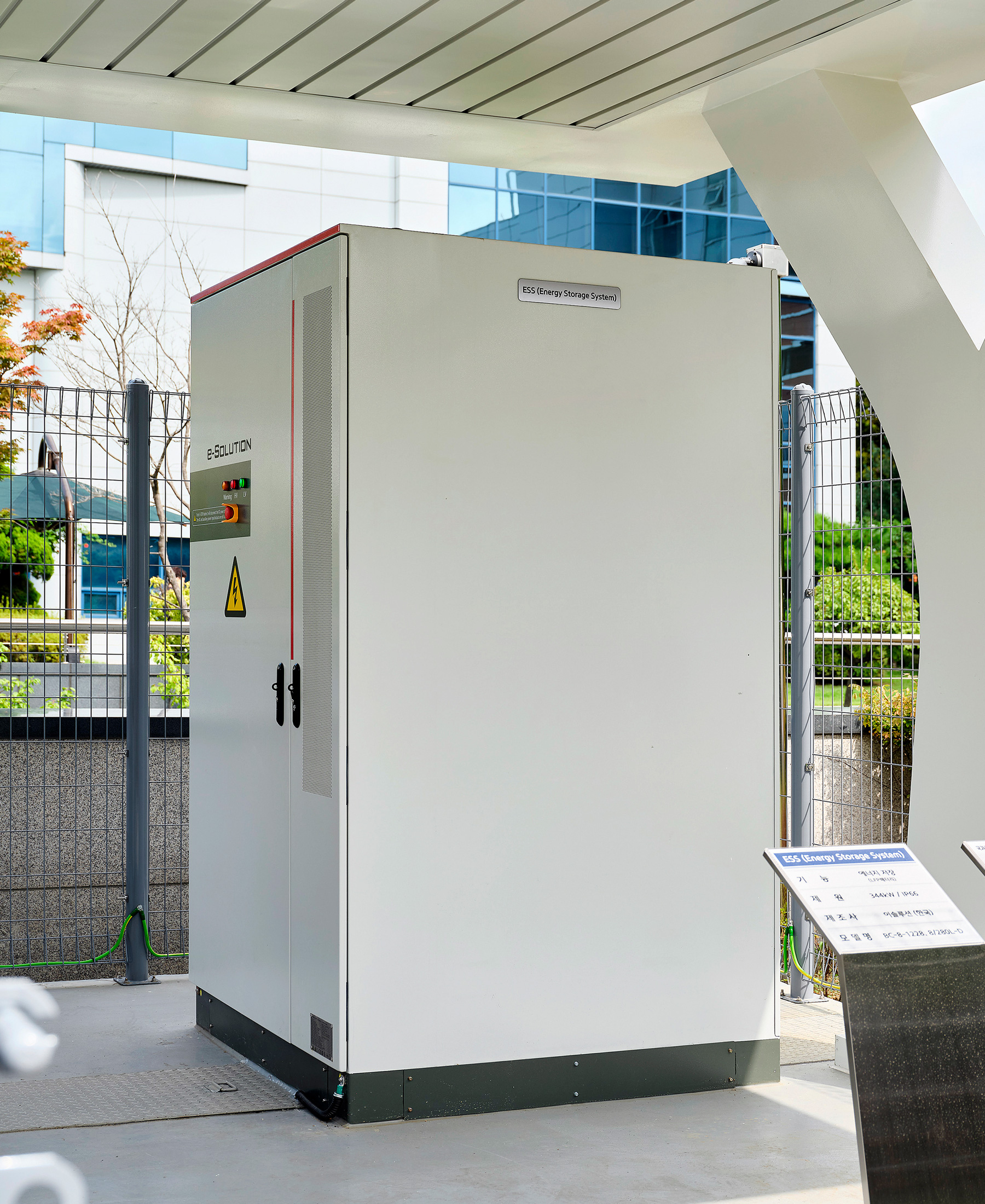
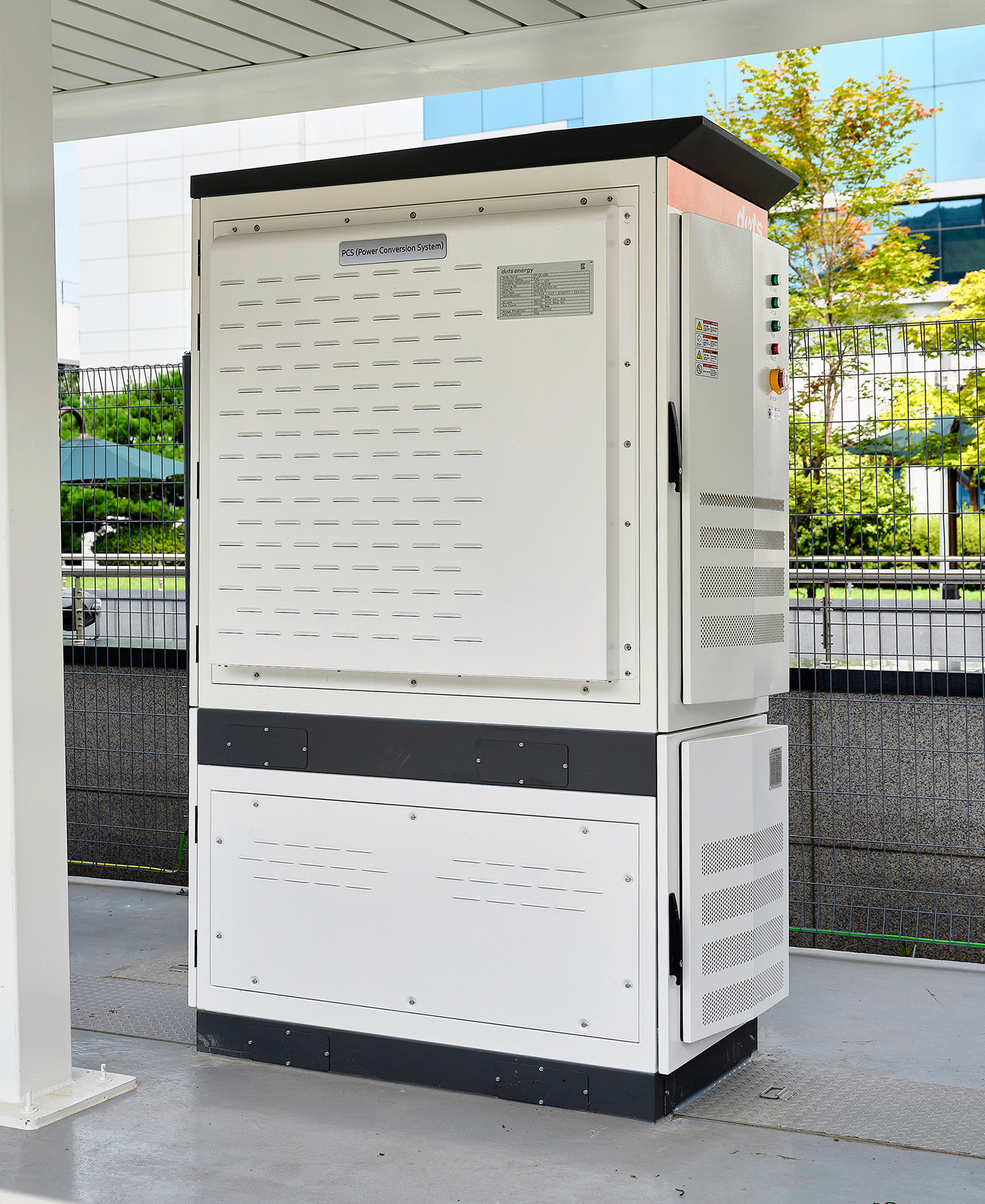
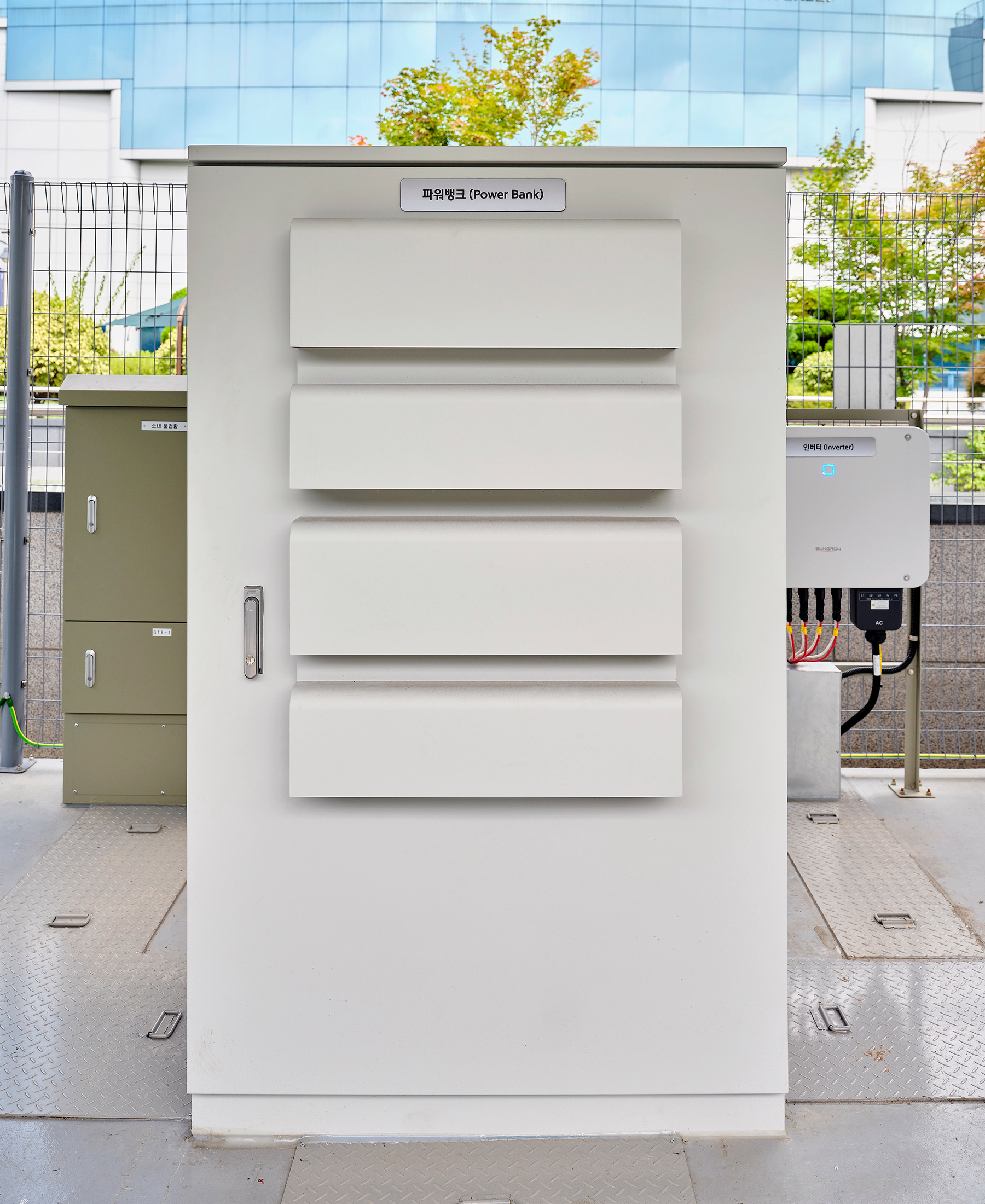
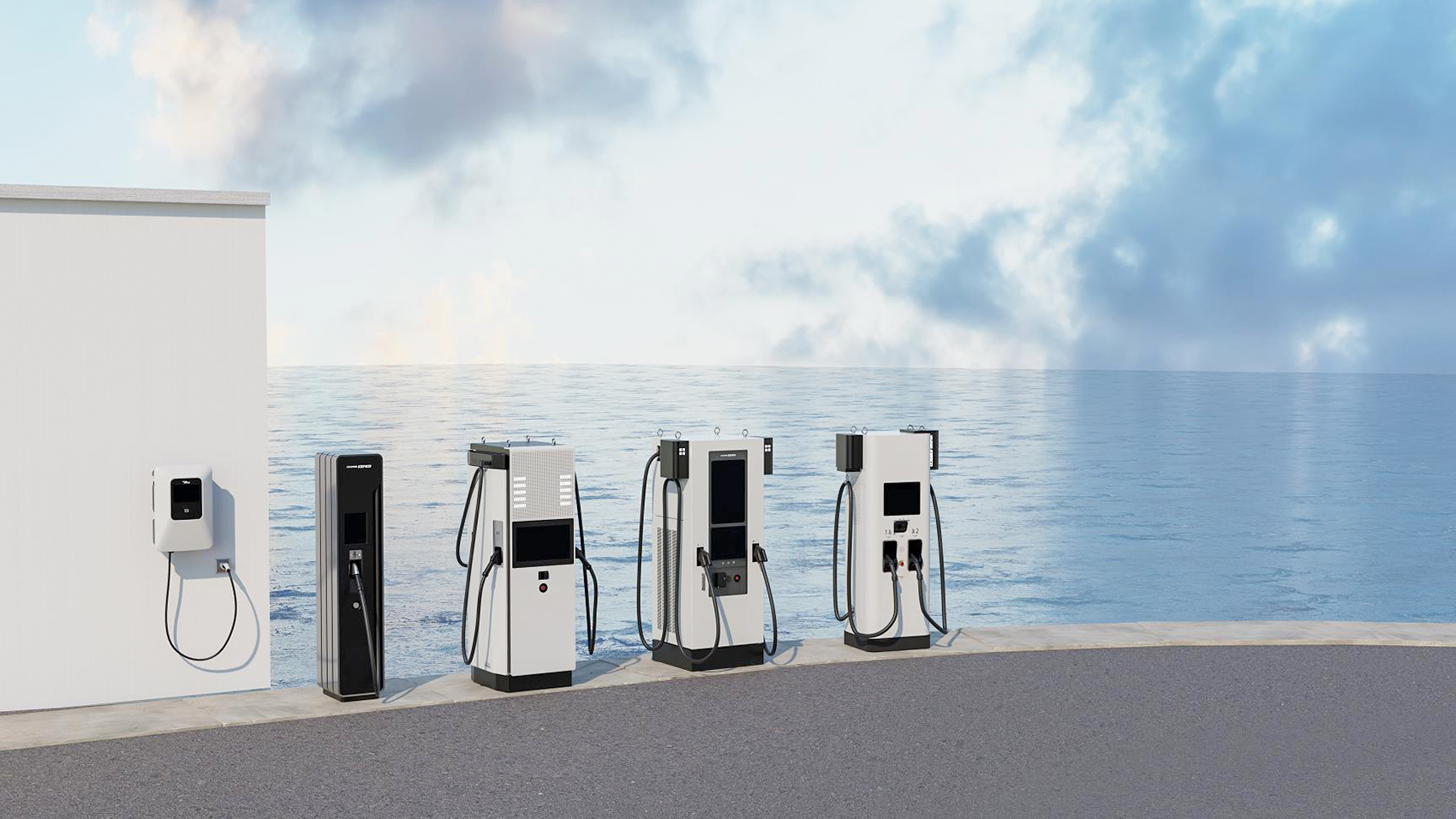
This is why Hyundai KEFICO has integrated PV generation, an ESS, and ultra-fast chargers into a single system. The demonstration facility at its headquarters comprises a 30kW PV array, a 344kWh ESS, a 120kW power conversion system (PCS), a 50kW inverter, and a 360kW Power Bank. Electricity, whether generated on-site or drawn from the grid, is supplied to four ultra-fast charging posts and one standard charging post. Hyundai KEFICO is using the site to validate the entire process—from power generation and storage to power allocation across chargers and equipment management—within a single integrated system.
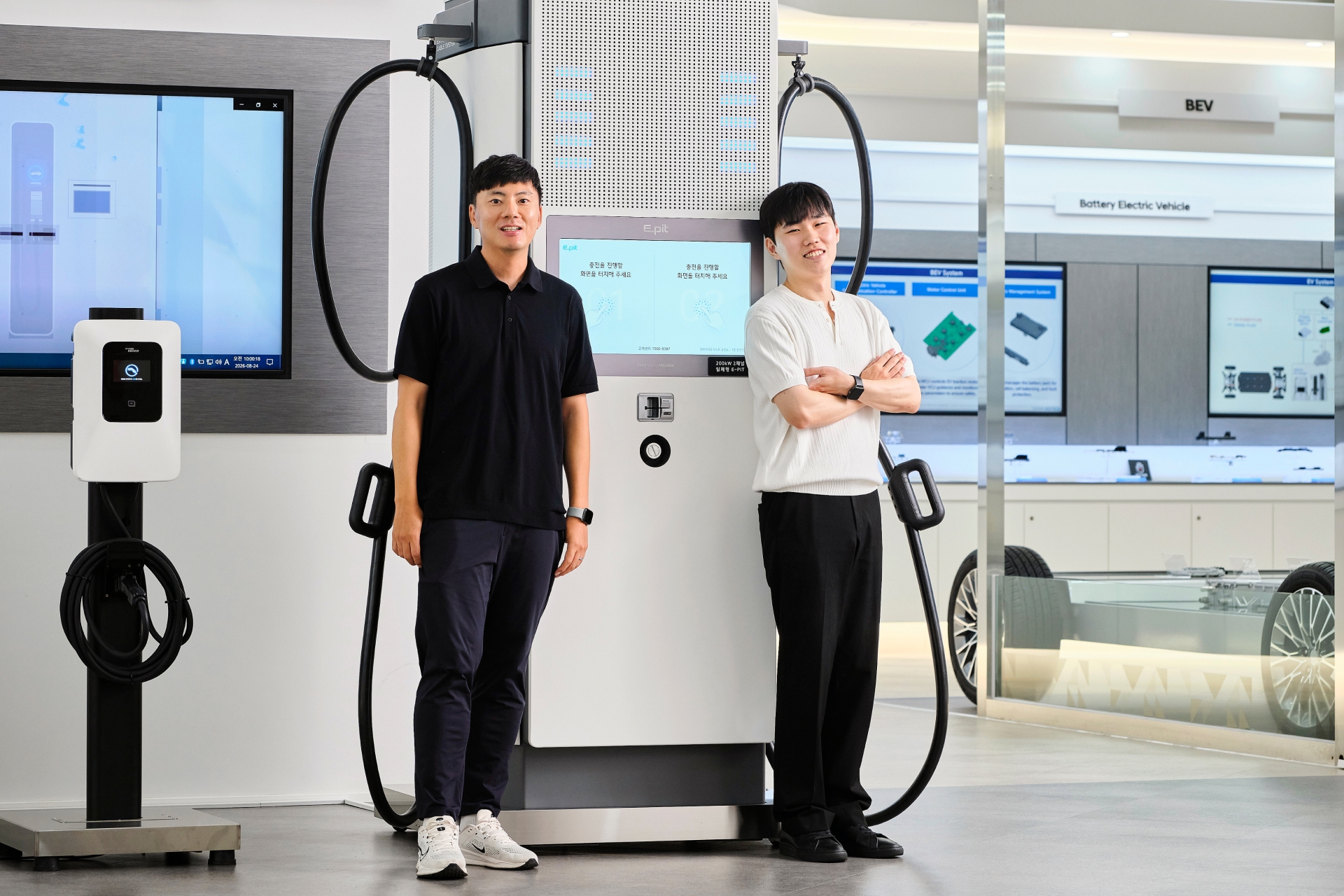
We spoke with Changseok Oh, Senior Manager on the EV Charger Business Management Team, and Seunghun Hyun, Research Engineer on the EV Charger Development Team, about why Hyundai KEFICO developed the PV-ESS-integrated ultra-fast charging station, how it works, and the operational challenges the company aims to address through the demonstration.
From Power Procurement to Charging: One Integrated System
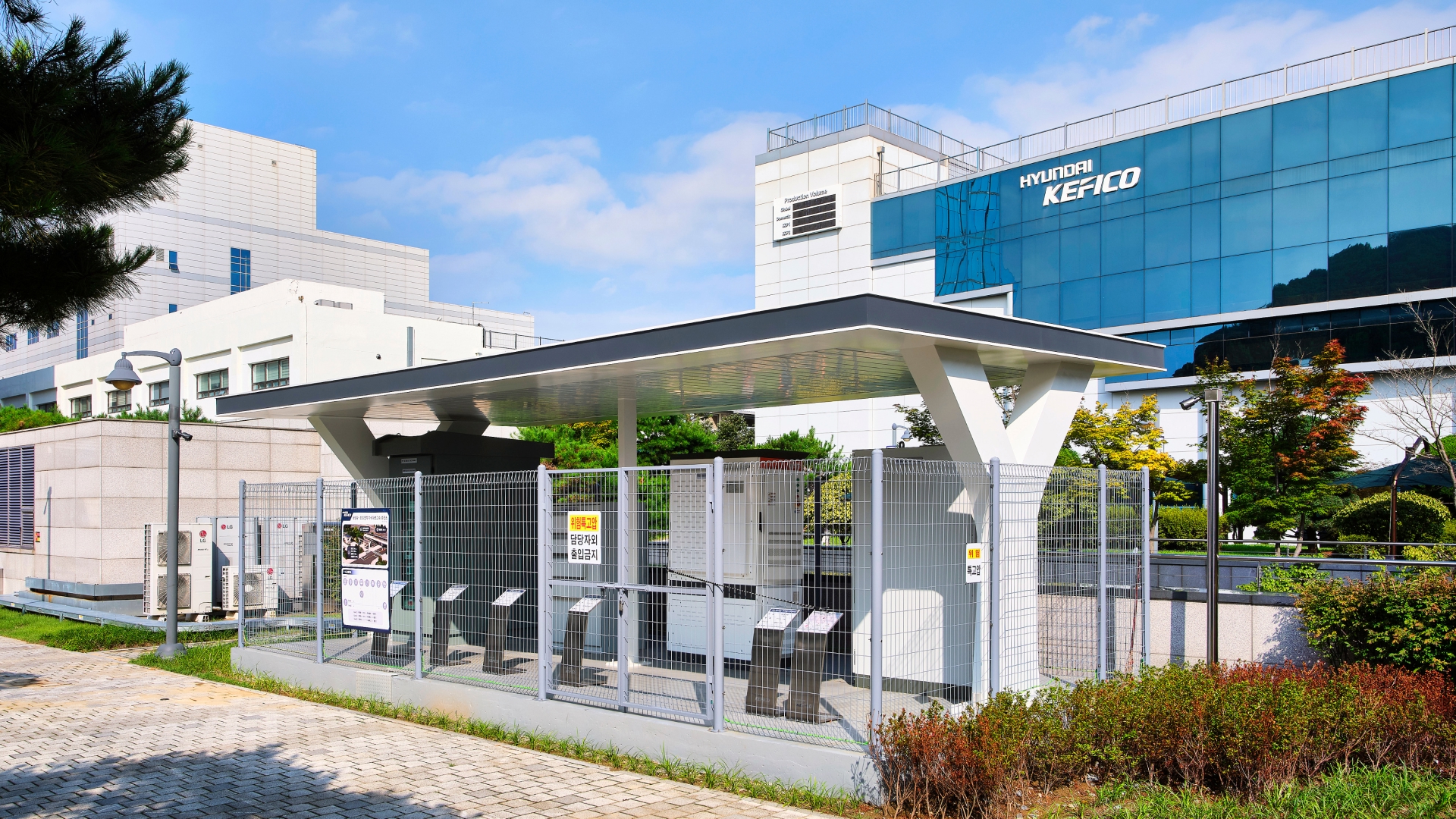
Electricity demand spikes when many vehicles arrive at once, but the amount of electricity available from the grid and the space available for equipment vary from one charging station to another. Hyundai KEFICO approached this issue not as a matter of improving the performance of an individual charger, but as a challenge of designing and managing energy flow across an entire charging station.
The company needed to determine when to store and use electricity generated by the PV array or drawn from the grid—and how to allocate available power when multiple vehicles are connected at the same time. Hyundai KEFICO’s PV-ESS ultra-fast charging station serves as a demonstration site for identifying equipment configurations suited to different installation conditions and demand patterns. We first asked Changseok Oh, Senior Manager on the EV Charger Business Management Team, about the project’s origins and objectives.
INTERVIEW
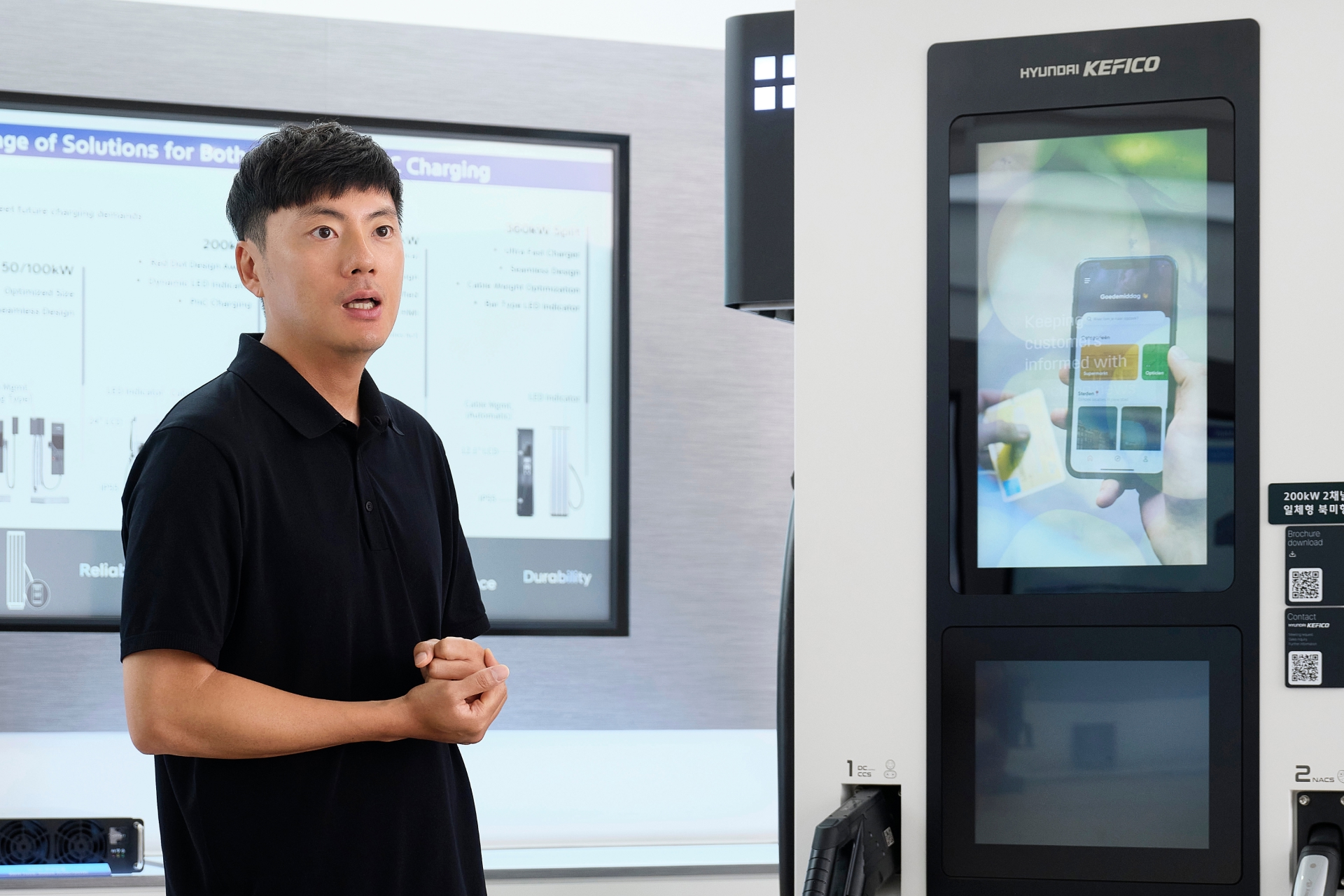
Changseok Oh, Senior Manager, EV Charger Business Management Team
Q. What led Hyundai KEFICO to develop an ultra-fast charging station integrating PV generation with an ESS?
“For the EV charging business to grow, drivers need a convenient charging experience, while operators need a sustainable business model. Conventional charging stations generally draw electricity from the grid as needed. But when charging demand surges at certain times of day, power requirements rise, and operators must also consider electricity rates and the cost of grid-connection equipment.
An ESS allows us to store grid electricity during off-peak hours, as well as PV power generated at the charging station, and use it when needed. By connecting PV generation, an ESS, and ultra-fast chargers, we wanted to find out whether power procurement, storage, and charging could be managed as an integrated system. After reviewing overseas markets and case studies of charging stations in Korea, we concluded that charging solutions combining PV generation with energy storage could become increasingly important. We therefore built an in-house demonstration site for research and began independently verifying how such a system might work in Korea’s charging environment and what additional capabilities might be needed as the EV ecosystem evolves.”
Q. Why is it important to consider PV generation and energy storage together?
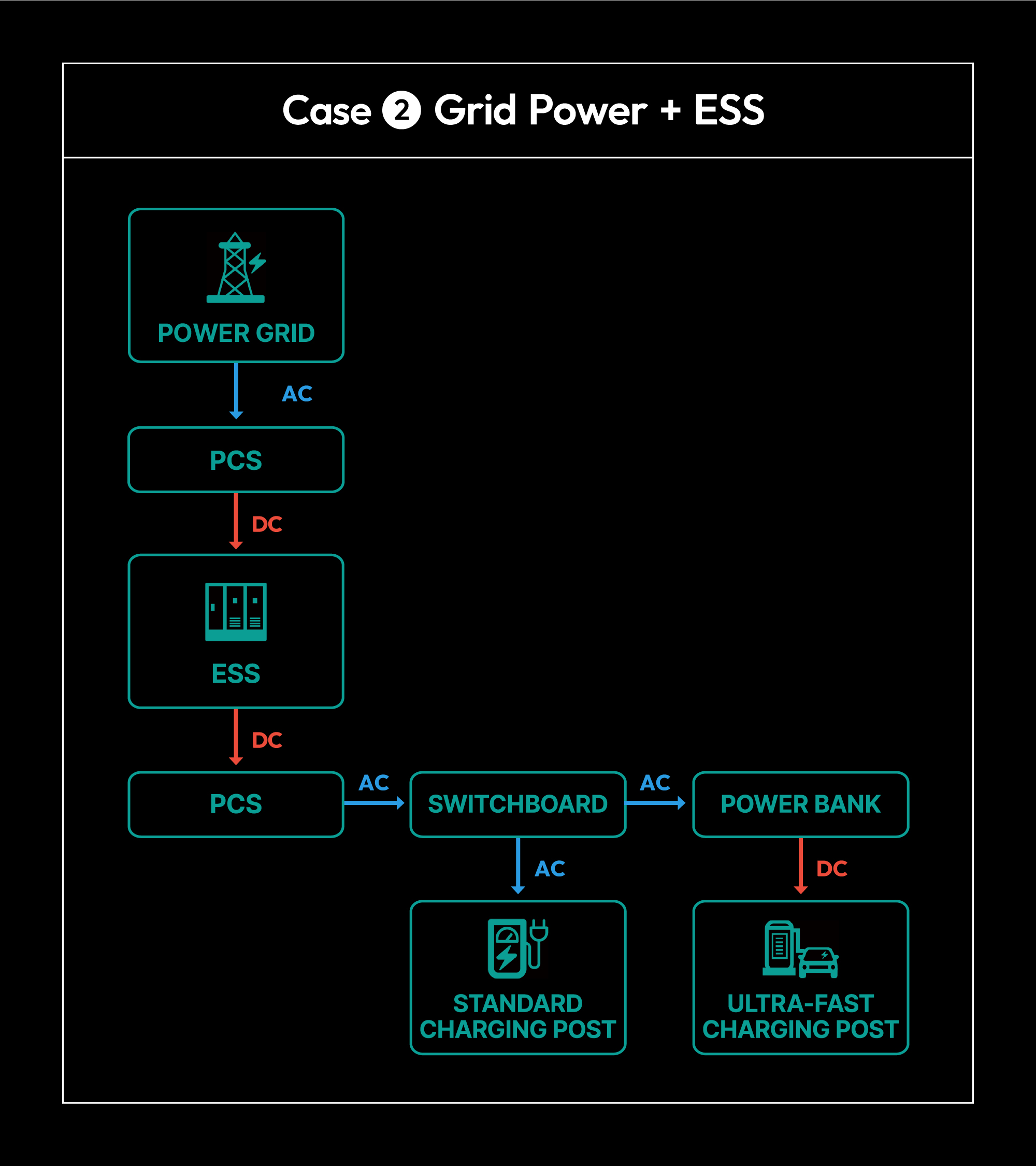
“PV output varies with the weather and time of day, and electricity generation does not always coincide with charging demand. An ESS bridges that time gap by storing electricity when sunlight is available and releasing it when a vehicle needs to charge. It can also store electricity from the grid when necessary.
Using the two systems together lets us look beyond how much electricity has been generated and decide when and where to use it. Of course, PV power cannot meet all of a station’s charging needs. The key is to find the optimal balance among PV output, charging demand, the ESS state of charge, and grid-supply conditions.”
Q. Was finding that optimal balance also why you built the demonstration station at the Gunpo headquarters?
“Yes. Every charging station differs in site size, parking capacity, and usage patterns, so the same equipment configuration will not work everywhere. Early in the project, our main questions were how much PV and ESS capacity to install, where to position each piece of equipment, which chargers to use, and how to allow for future expansion.
At this demonstration site, we integrated externally sourced PV and ESS equipment with chargers developed and manufactured by Hyundai KEFICO. Our core role is not to manufacture every component ourselves, but to integrate equipment from different suppliers and develop the operating logic needed to control it in response to charging demand.
At the headquarters site, we are studying how the PV array, ESS, PCS, Power Bank, and chargers interact, and how electricity is distributed as demand changes. As the demonstration continues, we will keep refining our operating logic, identifying configurations best suited to different installation environments, and developing practical standards for solutions that can be offered to CPOs.”
From PV Panels to EV Batteries: How Does Electricity Flow Through an Ultra-Fast Charging Station?
INTERVIEW
Seunghun Hyun, Research Engineer, EV Charger Development Team
Q. In simple terms, how does electricity travel from the PV panels to an EV battery?
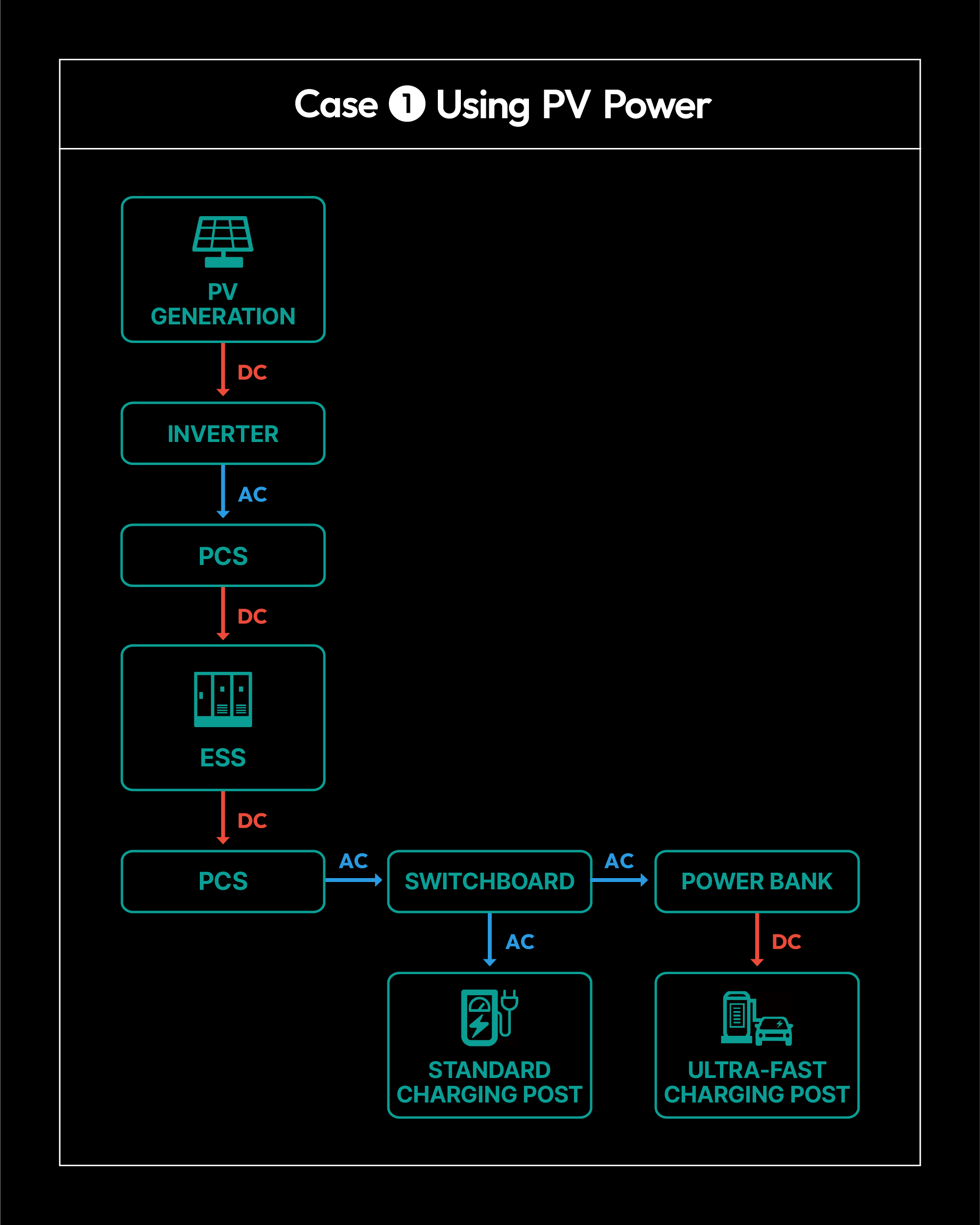
“The direct-current electricity generated by the PV panels passes through an inverter and a PCS, which convert it into a form suitable for storage in the ESS. When a vehicle is connected for charging, the PCS converts the stored electricity back into alternating current. It then passes through the switchboard to the Power Bank, which converts it into direct current suited to the vehicle’s battery and distributes it to the charging posts.
The PV system, ESS, and chargers all handle electricity in different forms and under different conditions, so we need conversion equipment at several stages. Integrated control is crucial to ensuring that every component performs its intended role while the entire setup operates as a single charging station.”
Q. How is electricity distributed when multiple EVs are charging simultaneously?
“When multiple vehicles are connected at the same time, grid power alone may not be sufficient to provide every vehicle with its requested output. In that situation, the ESS acts as a supplementary power source, while power-sharing and dynamic power distribution technologies allocate the available power among the vehicles.
Each vehicle has a different battery state of charge, charging curve, and power requirement. The system adjusts power allocations by considering both how much each vehicle can accept and how much capacity remains available across the facility.”

Q. How is the 360kW Power Bank connected to the four ultra-fast charging posts?
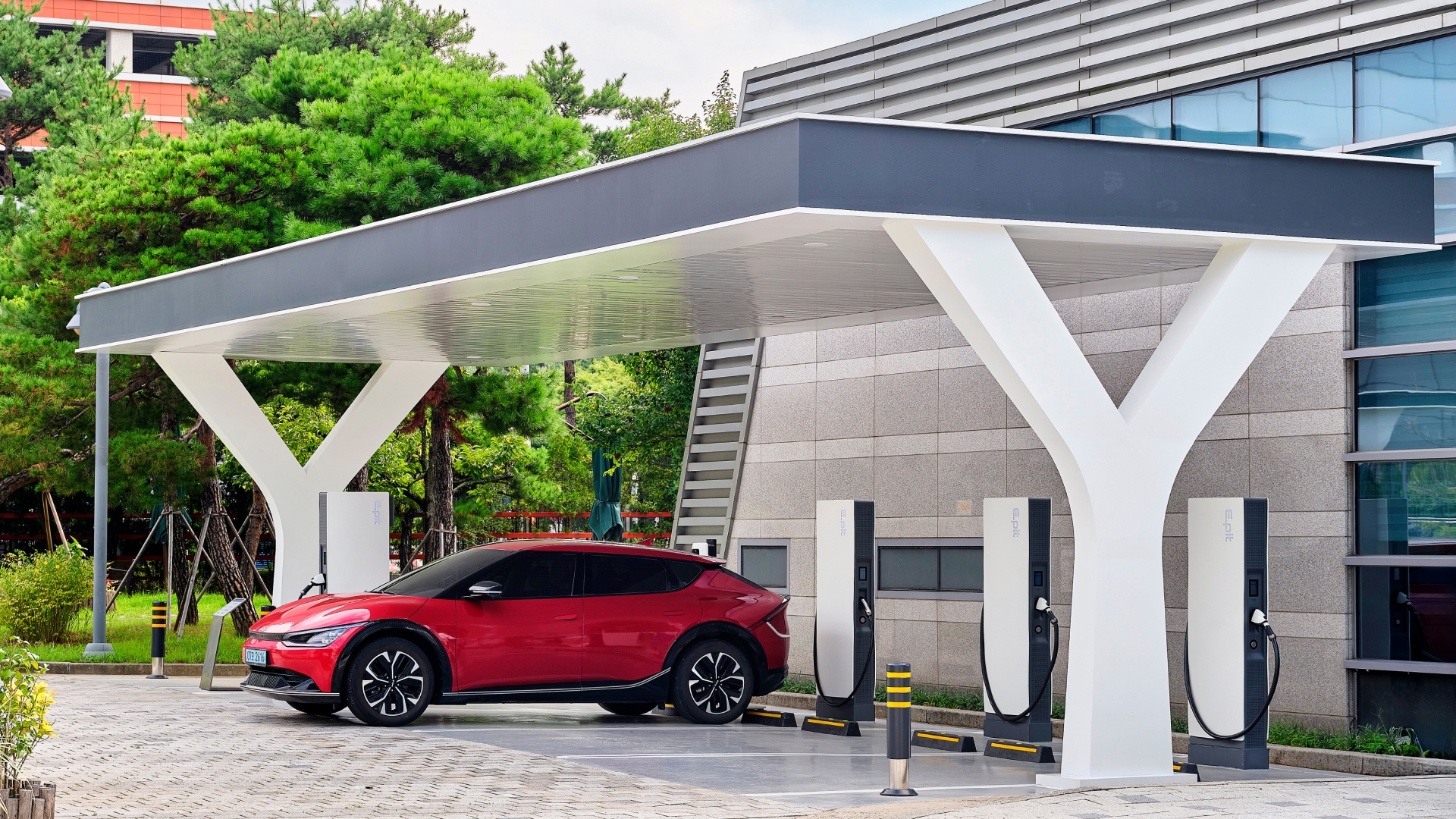
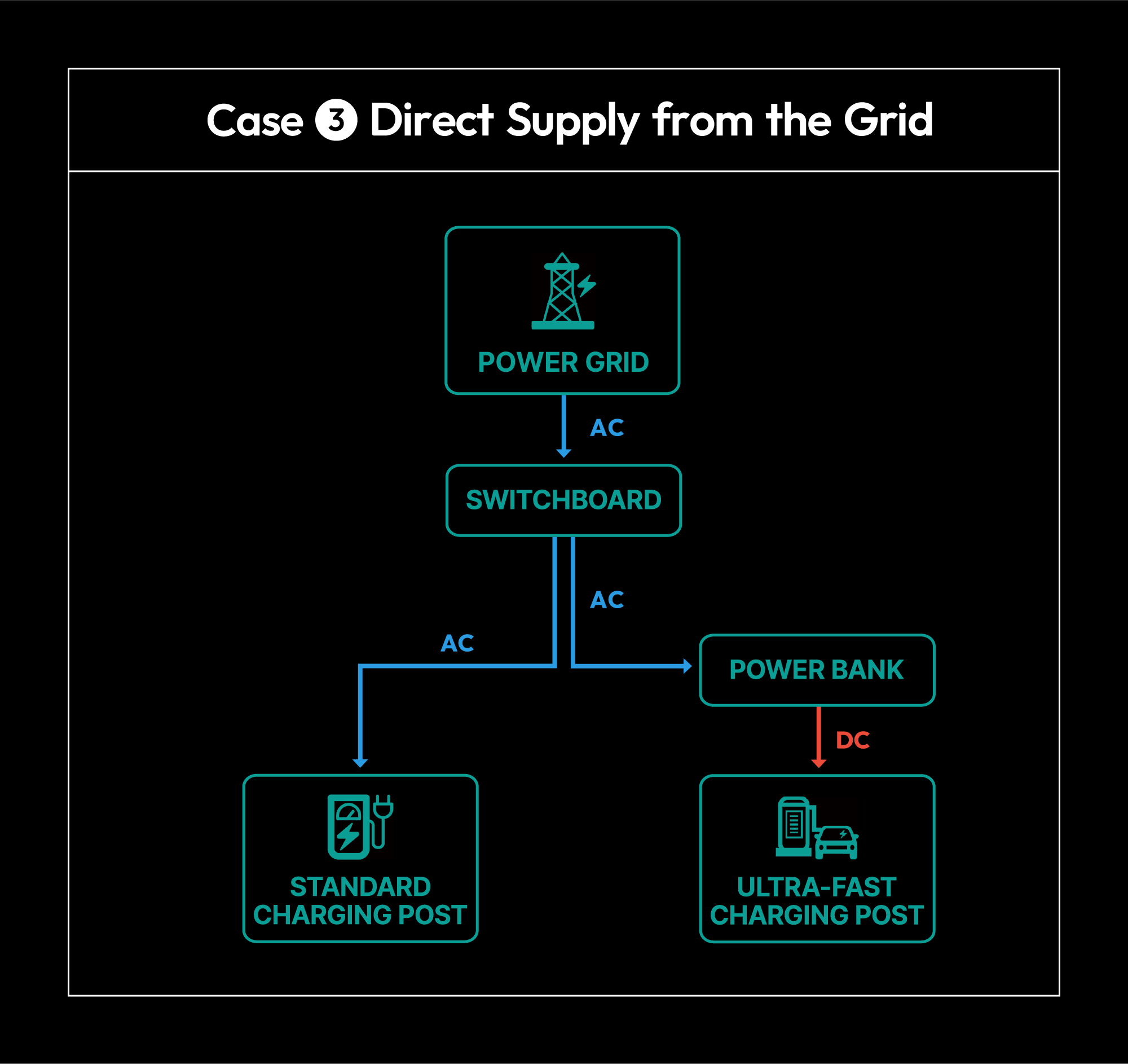
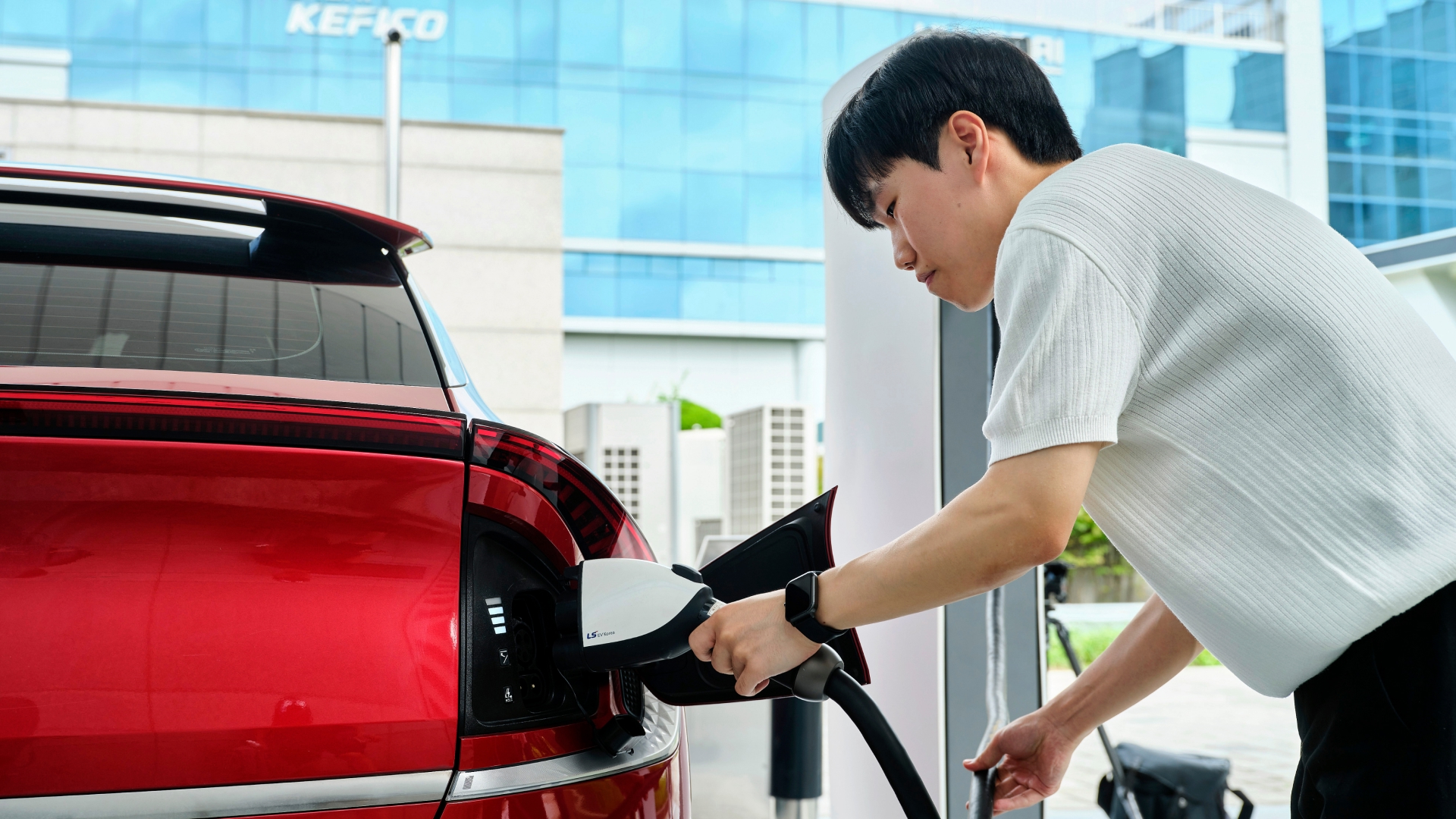
“The Power Bank is the central unit that converts electricity and distributes it among multiple charging posts. At the demonstration site, a 360kW Power Bank serves four ultra-fast charging posts, allocating power based on vehicle connection status and output requirements.
We’ve tested Hyundai KEFICO’s charging system for interoperability with vehicles from multiple manufacturers, including key Hyundai Motor Group EV models. We’ve also confirmed that an IONIQ 5 can charge from 10% to 80% in approximately 18 minutes. Actual charging times may vary depending on battery condition, temperature, and the charging environment.”
Q. What technologies enable the system to handle high power reliably?
“Because ultra-fast chargers handle high voltages and high power levels, safety and durability are just as important as charging speed. We have to separate the high-voltage section from the low-voltage control section inside the charger and continuously monitor temperature, voltage, and current. We therefore developed control logic that limits or stops charging if the system detects an abnormal condition.
We designed the 30kW power module to maintain stable output even at high temperatures and equipped the charger with an IP55-rated enclosure for protection against dust and water in outdoor environments. A motorized cable-recovery system makes the charging cable easier to handle, while the display and LED indicators allow users to check charging status at a glance.”
Q. What was the most challenging part of developing a charging station integrating PV generation with an ESS?
“The PV system, ESS, PCS, Power Bank, and chargers may all use different communication protocols and control parameters. We had to coordinate both the power and communication systems while fitting the equipment into a limited space. Simply installing all the components does not make them a unified system.
That is why the project required collaboration across various fields, including charger development, power conversion, control, software, and business planning. We established common standards for interpreting data from each component and repeatedly verified how a change in the status of one unit affected all the others.”
Using Demonstration Data to Define Standards for Tomorrow’s Charging Stations
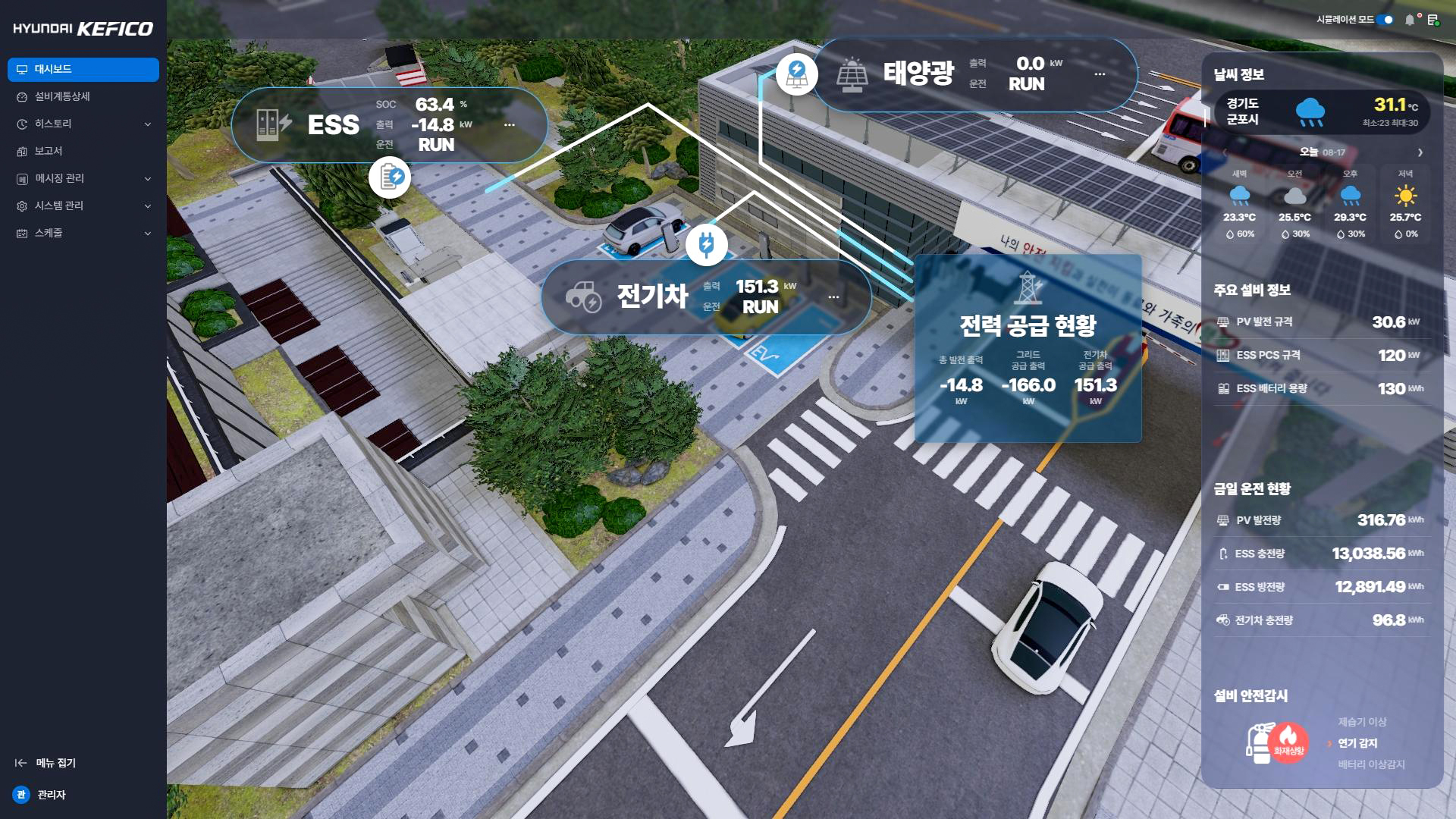
The equipment configuration of a PV-ESS-integrated ultra-fast charging station must be tailored to its installation environment. The required equipment capacity and operating strategy depend on the size of the site, the number of parking spaces, the available grid capacity, and anticipated charging demand. At its demonstration site in Gunpo, Hyundai KEFICO is gathering data to identify the equipment configurations and operating strategies best suited to different conditions. The company is monitoring PV generation by time of day, ESS charging and discharging schedules, and power distribution when multiple vehicles are connected.
The resulting data can help charge point operators determine the right equipment capacity for future sites based on site size and projected demand and design operating strategies for procuring, storing, and distributing electricity efficiently. Hyundai KEFICO plans to use the chargers it develops and manufactures in-house as the core of an integrated system combining third-party PV and ESS equipment with station management systems. The company will also install new equipment—including a 600kW Power Bank now under development—at the demonstration site to verify its performance and operational feasibility.
As EV charging performance improves and charging demand and usage patterns become more diverse, charging stations will be expected to perform an expanding range of functions. Adding more chargers or raising their maximum output will not be enough. Operators must also consider how to procure and store the electricity they need and how to distribute it among multiple vehicles. Hyundai KEFICO’s demonstration site in Gunpo is more than a place to validate today’s charging systems. By deploying new charging technologies and equipment at the site under real-world conditions, Hyundai KEFICO is also exploring how charging stations can evolve as the industry changes.

Photo: Sangguk Park