Genesis Magma Racing: A Promising WEC Debut Ends With Drama at Monza
- GENESIS
- 2026-11-17
- 분량17min
- 조회수 765Views
AI summarized the main points
AI-generated summary. Please refer to the full article for precise details.

With the season-ending 8 Hours of Bahrain canceled amid geopolitical tensions in the Middle East, Italy's Monza circuit became the final stop on the 2026 calendar. The 6 Hours of Monza is one of endurance racing's most historic events, although extensive renovations had kept the circuit off the WEC schedule since 2023. Its unexpected return also marked the first time in World Endurance Championship (WEC) history that a single country had hosted two rounds in the same season, with Italy welcoming the series to both Imola and Monza.
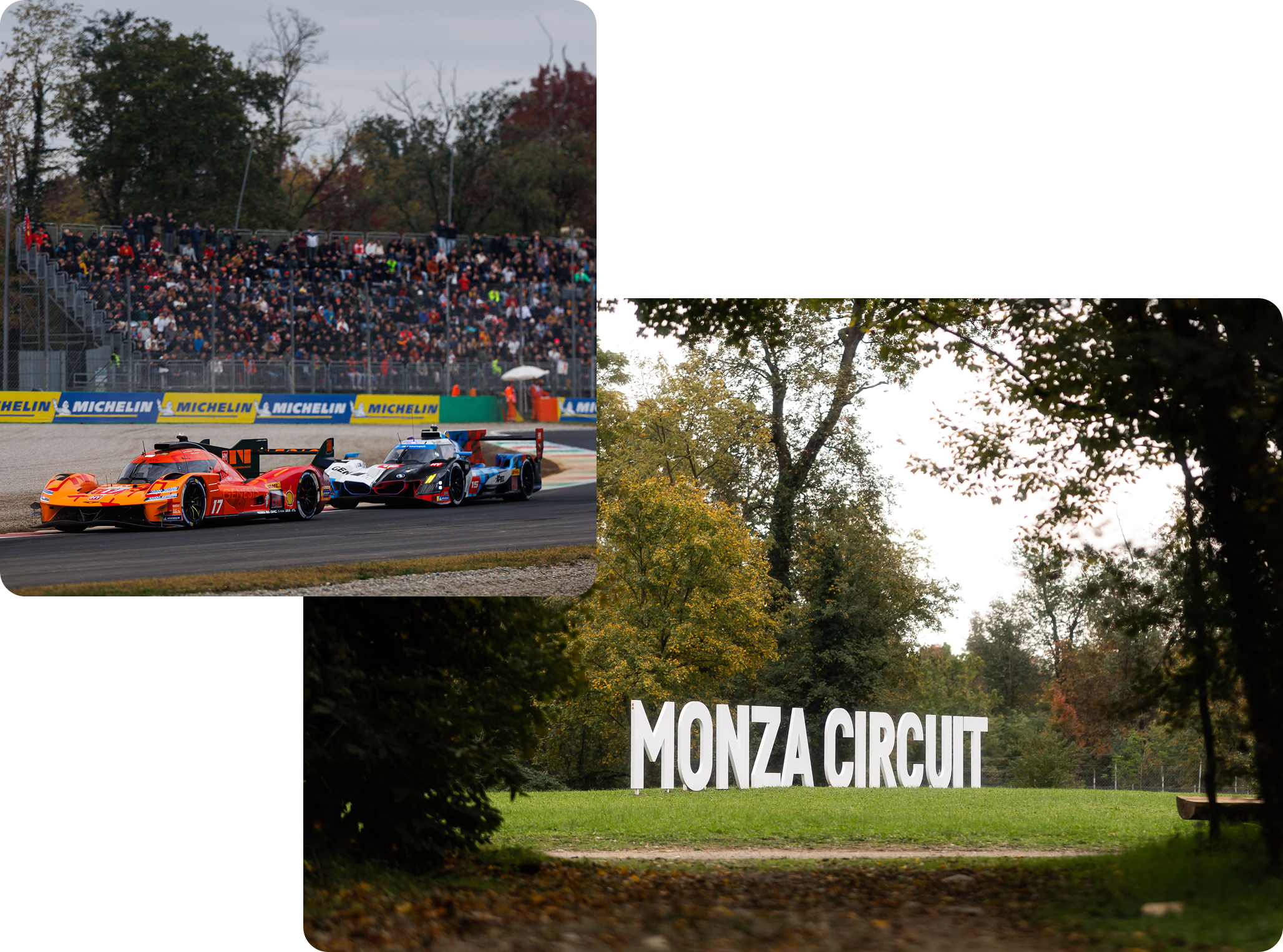
Home to the Formula 1 Italian Grand Prix, Monza is hallowed ground in a country where motorsport borders on religion. Officially known as Autodromo Nazionale Monza, the circuit opened in 1922, making it more than a century old and the oldest surviving permanent racing circuit in Europe. Endurance racing first arrived in 1963, when competitors tackled a three-hour event on a 10.1-kilometer layout incorporating the now-abandoned oval. The race became a 1,000-kilometer contest in 1965 before moving to a more modern, approximately 5.8-kilometer configuration in 1970.
Over the years, Monza's endurance events took several forms, including 360-kilometer, 480-kilometer, and 500-kilometer races, as well as four-hour contests. The event disappeared after 2008, only to return in 2021 as the WEC introduced its Hypercar class and reshaped its calendar. This time, Monza hosted a six-hour race. But another interruption followed after 2023, when the circuit underwent a sweeping renovation. The work included completely resurfacing the asphalt, flattening curbs, and modernizing the drainage system—improvements considered essential to securing a long-term Formula 1 agreement. Imola took Monza's place on the WEC schedule. This year's return was a one-off response to exceptional circumstances, meaning Monza is not expected back on the calendar in 2027.
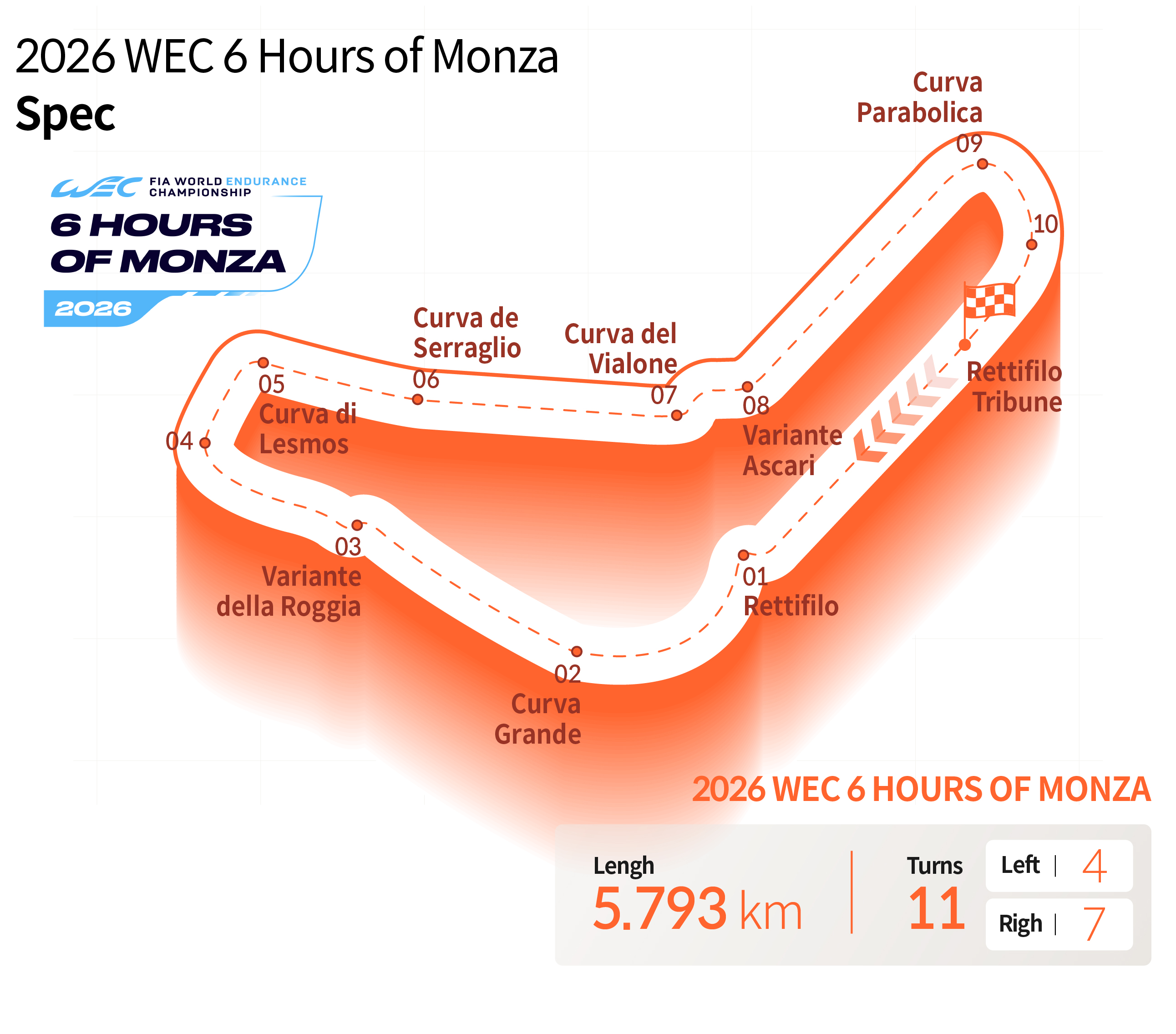
Monza's nickname, the "Temple of Speed," is well earned. Its original layout combined a 5.5-kilometer road course with a 4.5-kilometer oval, creating a circuit unlike almost anything else in Europe. A series of accidents on the oval during the 1960s eventually led organizers to confine racing to the road course. After multiple revisions, the circuit settled into its current 5.793-kilometer configuration.
With only 11 corners, Monza is all about full-throttle acceleration and heavy braking. That combination also creates plenty of passing opportunities. Hypercars can easily reach 320 km/h, while average lap speeds approach 220 km/h, making Monza the WEC's second-fastest circuit behind Le Mans. Teams trim aerodynamic drag to maximize straight-line speed, often at the expense of traction. Add the substantial speed difference between Hypercars and LMGT3 machinery, and navigating slower traffic becomes a constant part of the race.
The first major challenge arrives almost immediately. At the end of the main straight, Variante del Rettifilo forces drivers through a tight right-left chicane. With the entire field funneling into the corner after the start, the potential for contact is enormous. It is also one of Monza's hardest braking zones and a prime opportunity to make a pass.
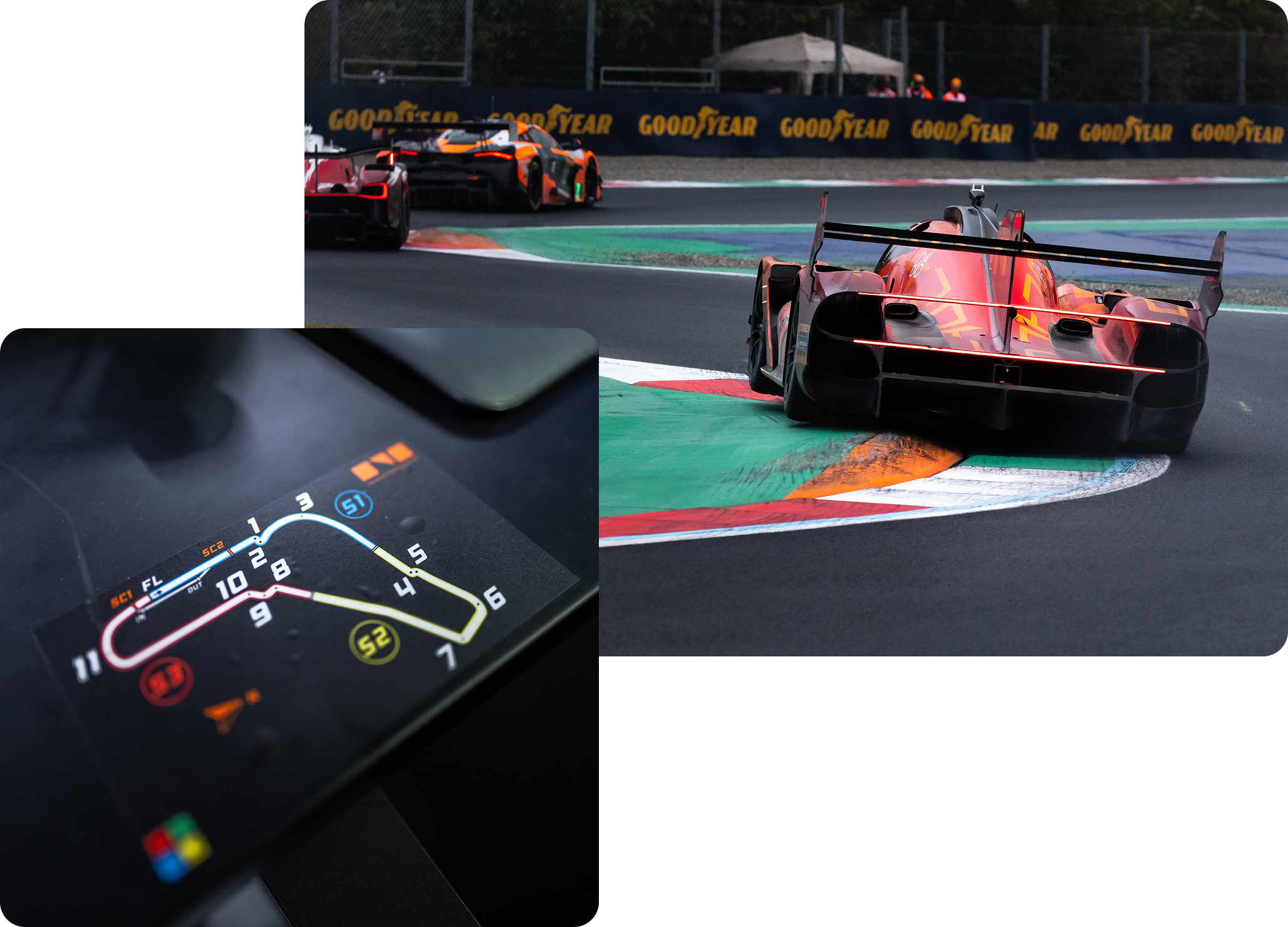
Get through Rettifilo cleanly, and the next challenge is Curva Grande, a fast, sweeping right-hander taken at full throttle. The corner places loads approaching 900 kg on the left-rear tire. Next comes Variante della Roggia, where aggressive sausage curbs can throw a car off balance if a driver attacks them too hard. The two right-hand Lesmo corners follow, where high entry speeds make exceeding track limits a constant risk. Exiting the second Lesmo, drivers need to use as much of the available track as possible without sacrificing rear-tire traction. Get it right, and the car accelerates more effectively down the following straight.
Variante Ascari links two straights, making it essential to carry as much speed through the chicane as possible. The circuit's recent renovation replaced its tall, raised curbs with flatter, more modern versions, a change that remains controversial. Drivers can attack the section more aggressively, but some argue that Monza has lost part of its character in the process. The final corner, Curva Parabolica, is a long, high-speed right-hander leading onto the main straight. It puts tremendous stress on the left-front tire. Between the high speeds and substantial tire wear, Monza demands meticulous tire management, with teams monitoring temperatures and degradation throughout the six-hour race.
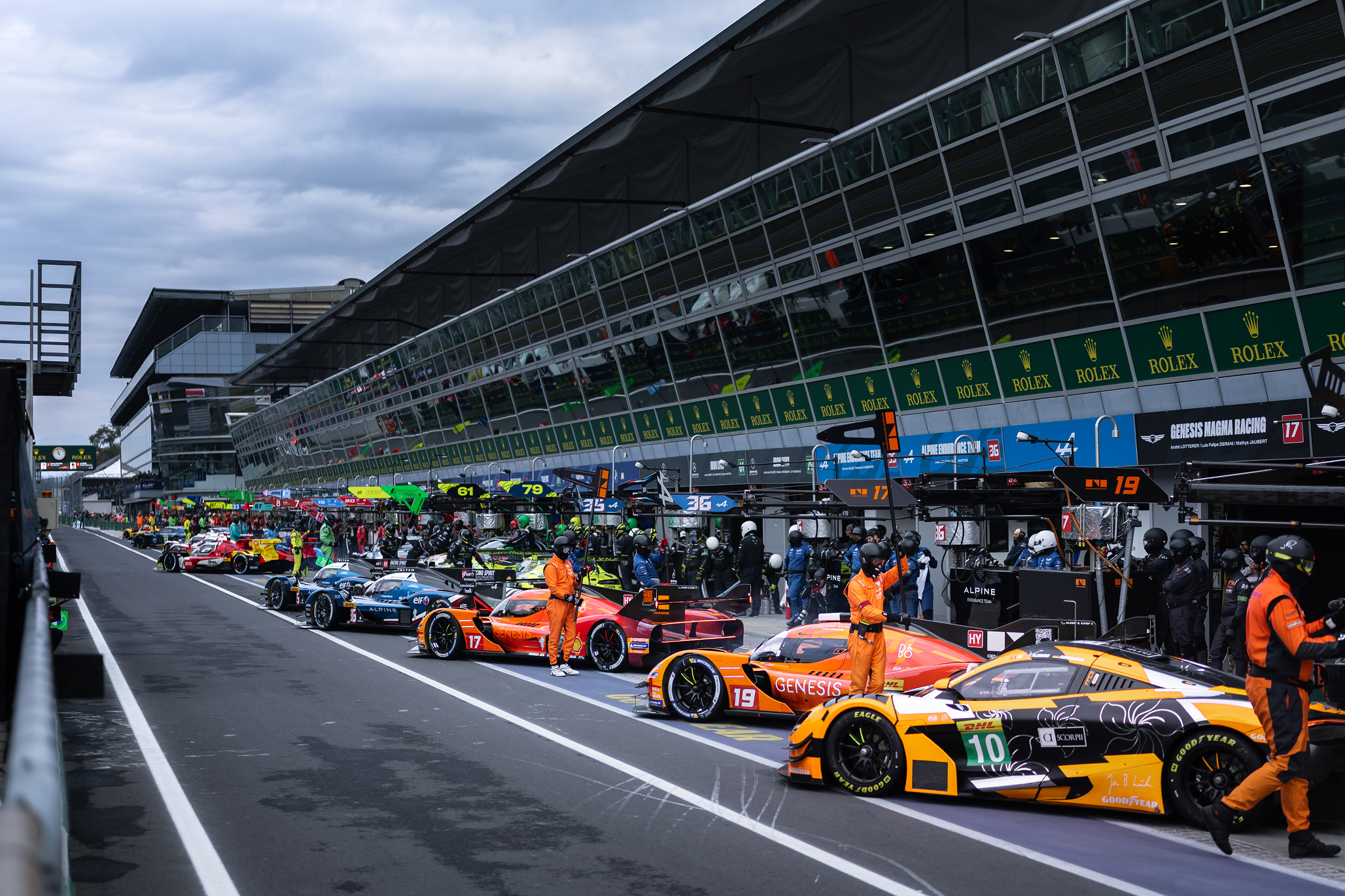
Toyota had already wrapped up the Manufacturers' Championship in Barcelona, leaving its two crews to settle the Drivers' Championship among themselves. The team announced that there would be no team orders. The No. 8 Toyota of Sébastien Buemi, Brendon Hartley, and Ryō Hirakawa led the standings with 114 points, but the No. 7 crew of Mike Conway, Kamui Kobayashi, and Nyck de Vries remained in contention with 97. Conway and Kobayashi had previously won at Monza from pole position in both 2021 and 2023. With Conway approaching retirement from professional racing, there was particular interest in how he would close out his career. Alpine, also preparing to leave the WEC, was equally determined to make its final appearance count.
The fight for second in the Manufacturers' Championship was another storyline worth watching. BMW held 154 points to Ferrari's 130, leaving a 24-point gap that Ferrari still had a mathematical chance of overturning. And at Monza, surrounded by the Tifosi*, Ferrari had every reason to fight until the end.
*Tifosi: An Italian term for passionate sports fans, most commonly associated in motorsport with Ferrari's devoted supporters.
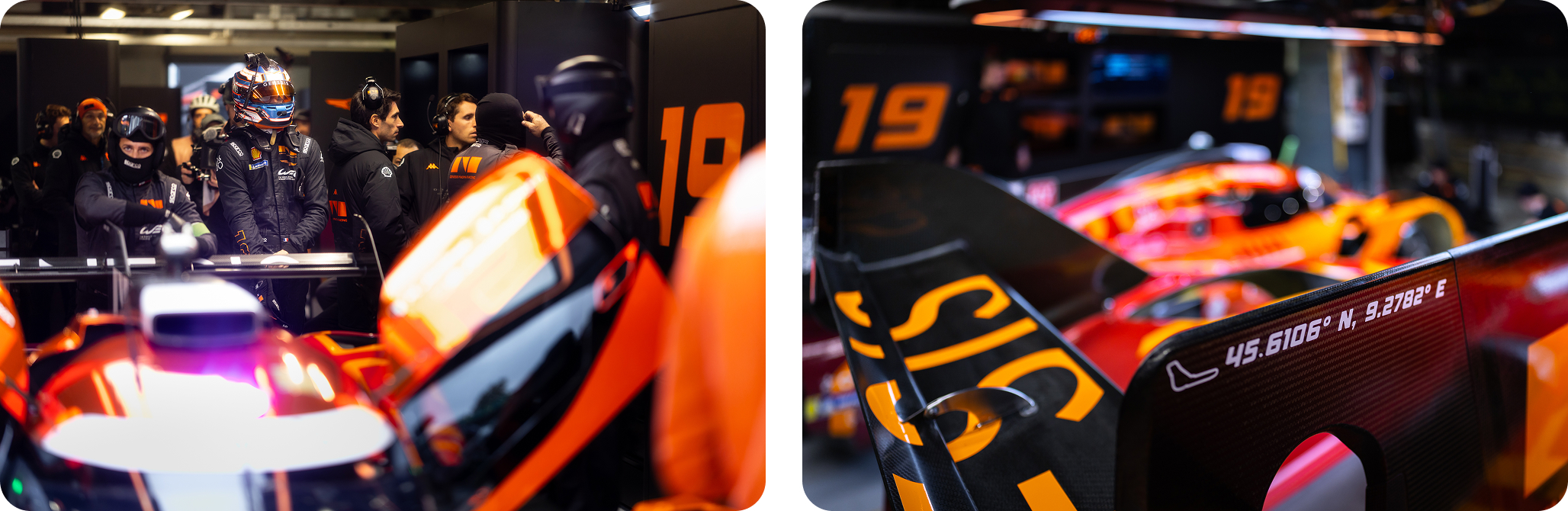
Genesis Magma Racing arrived at Monza having already demonstrated the GMR-001 Hypercar's potential with its first pole position in Barcelona. Getting both cars into the points looked like a realistic target. The team had also officially confirmed that all six of its current drivers would return for the following season. Veterans André Lotterer and Pipo Derani had previous experience racing Hypercars at Monza, while Paul-Loup Chatin had competed there in an LMP2 car in 2022. Nevertheless, the circuit remained relatively unfamiliar territory for Genesis Magma Racing. Rather than chase outright speed immediately, the team adopted a back-to-basics approach: establish a solid foundation, collect as much data as possible, and gradually work toward better performance.
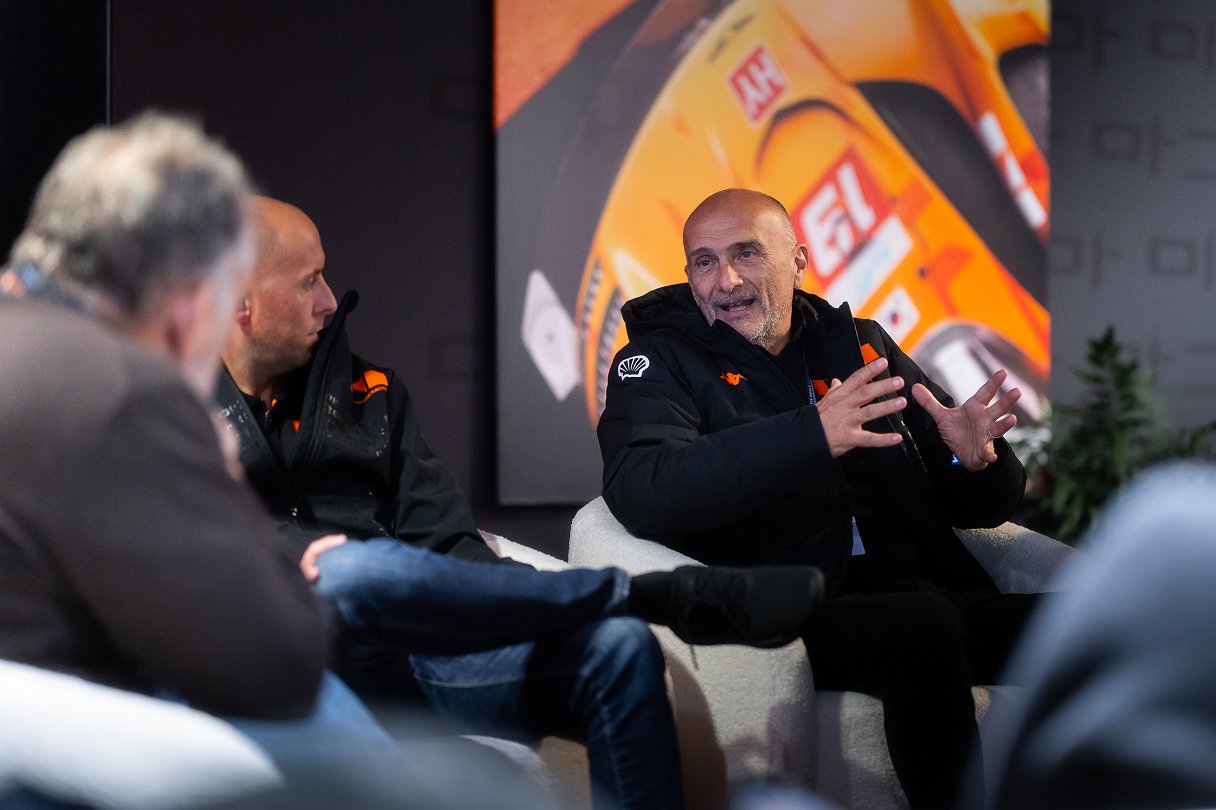
Gabriele Tarquini, the former Italian Formula 1 driver and touring-car champion now serving as Genesis Magma Racing's Sporting Director, explained what the team was aiming to achieve.
“Monza is another home race for me, after Imola. It’s one of my favourite tracks. I have a lot of memories there as a driver. And for us as Genesis Magma Racing, I think it will be a good track. Top speed is very important, but so is aerodynamic balance through the changes of direction in the chicanes. It’s quite similar to Le Mans, but it is a new track for us, so we will have to work hard during the practice sessions to make sure we are prepared for Sunday. We are aiming to complete a clean race. That’s the first target. Of course, we want to get both cars in the points. It’s no longer a dream, like it was at the start of the season, but we still need to execute a good race across the board as a team.”
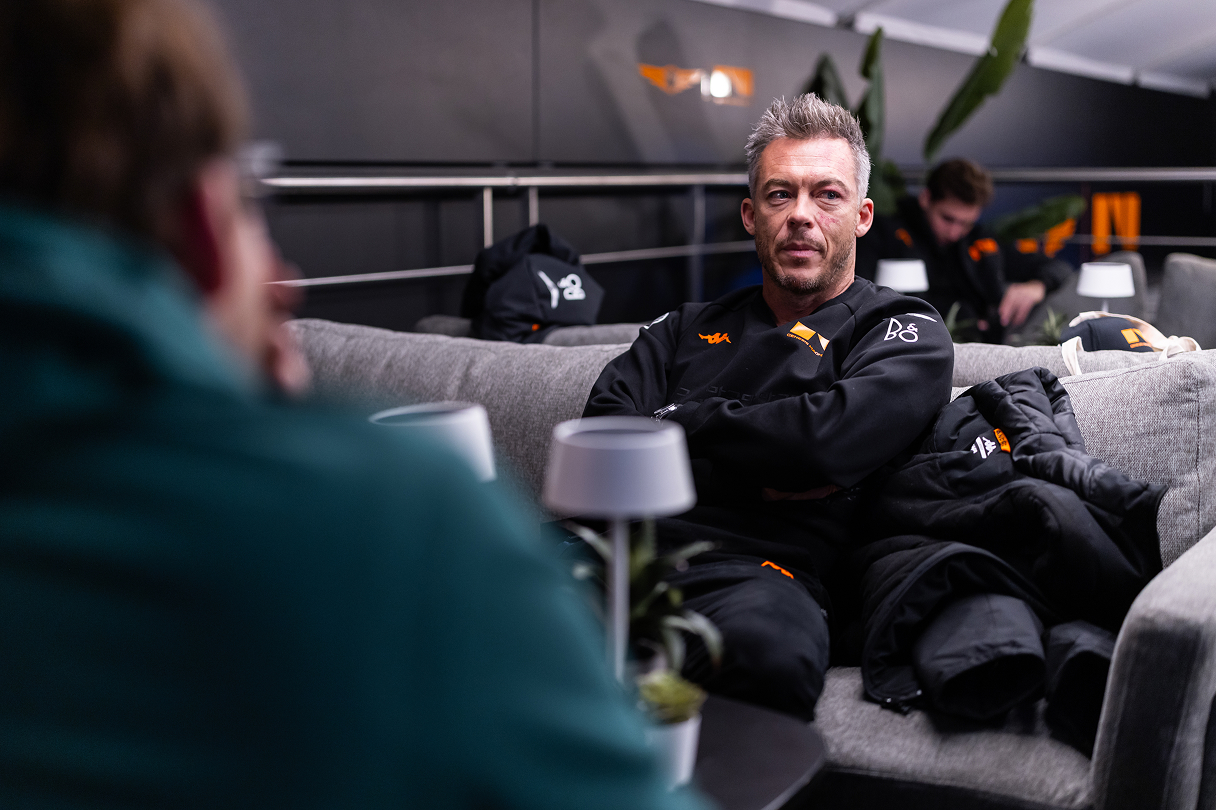
Lotterer was also looking forward to returning to a circuit he knew well.
“I’m looking forward to the 6 Hours of Monza. I’ve heard it will be a full house for the race! I remember testing an F1 car with a V10 engine at the circuit, reaching 360kph, as well as driving an LMP1 there to prepare for the 24 Hours of Le Mans, and racing in Hypercar in 2023. It’s a fantastic circuit with a special atmosphere, and the high speeds and heavy braking zones always make it a challenge. We have shown encouraging pace recently, and our focus for the weekend is on putting everything together over a full race distance. We’ve learned a lot in our first season as Genesis Magma Racing, and there’s a huge effort going into every step forward we make. We want to turn that work into a strong result and finish the season on a positive note.”
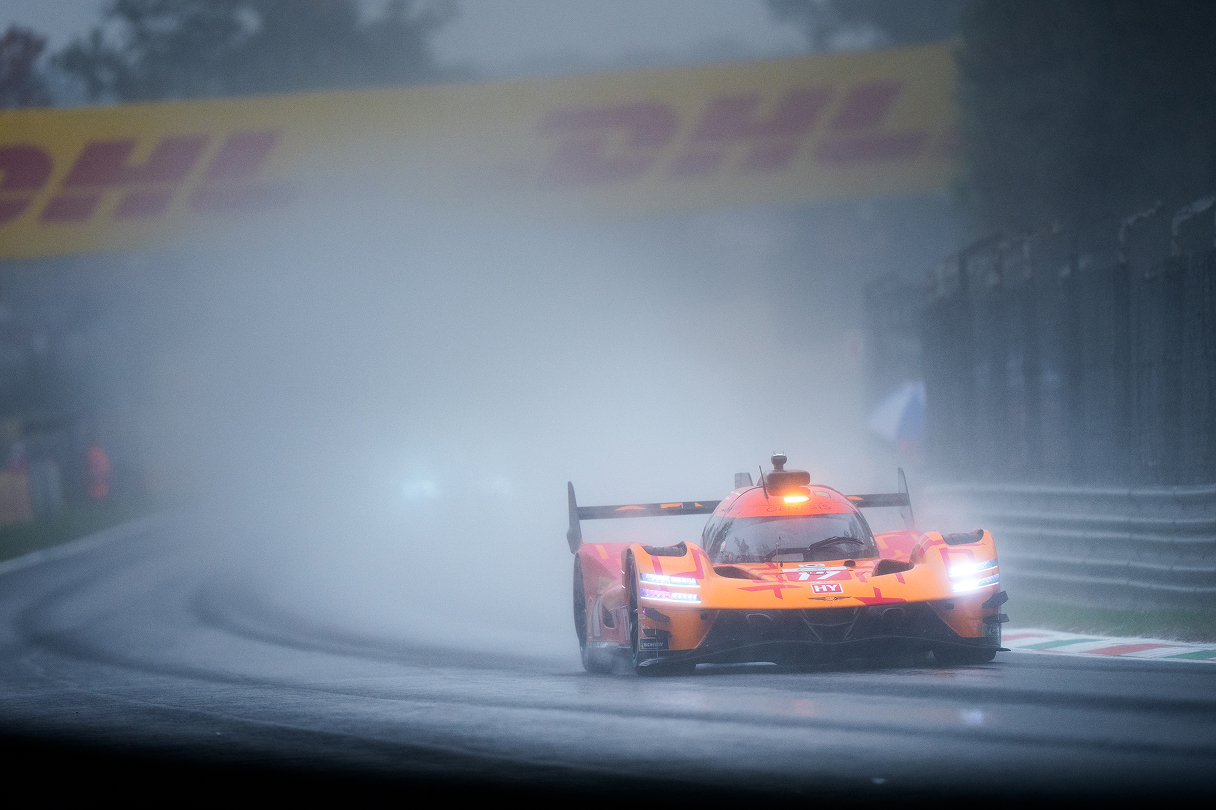
The first free practice session (FP1) began on the morning of Friday, November 6, with rain falling and temperatures running low. Early in the session, Robert Kubica set the provisional fastest lap in the yellow No. 83 AF Corse Ferrari with a 1:47.738. A wet track and cold tires made improving lap times difficult, and the session was interrupted by three red flags. The No. 50 Ferrari went off track, while the No. 20 BMW suffered an unusual incident when one of its doors came off.
The rain finally stopped as the session approached its conclusion. As the racing line began to dry, lap times started falling. Charles Milesi put the No. 35 Alpine on top with a 1:45.862, followed by the No. 83 AF Corse Ferrari driven by Ye Yifei, 0.4 second behind. Genesis Magma Racing finished sixth with the No. 17 car and ninth with the No. 19.
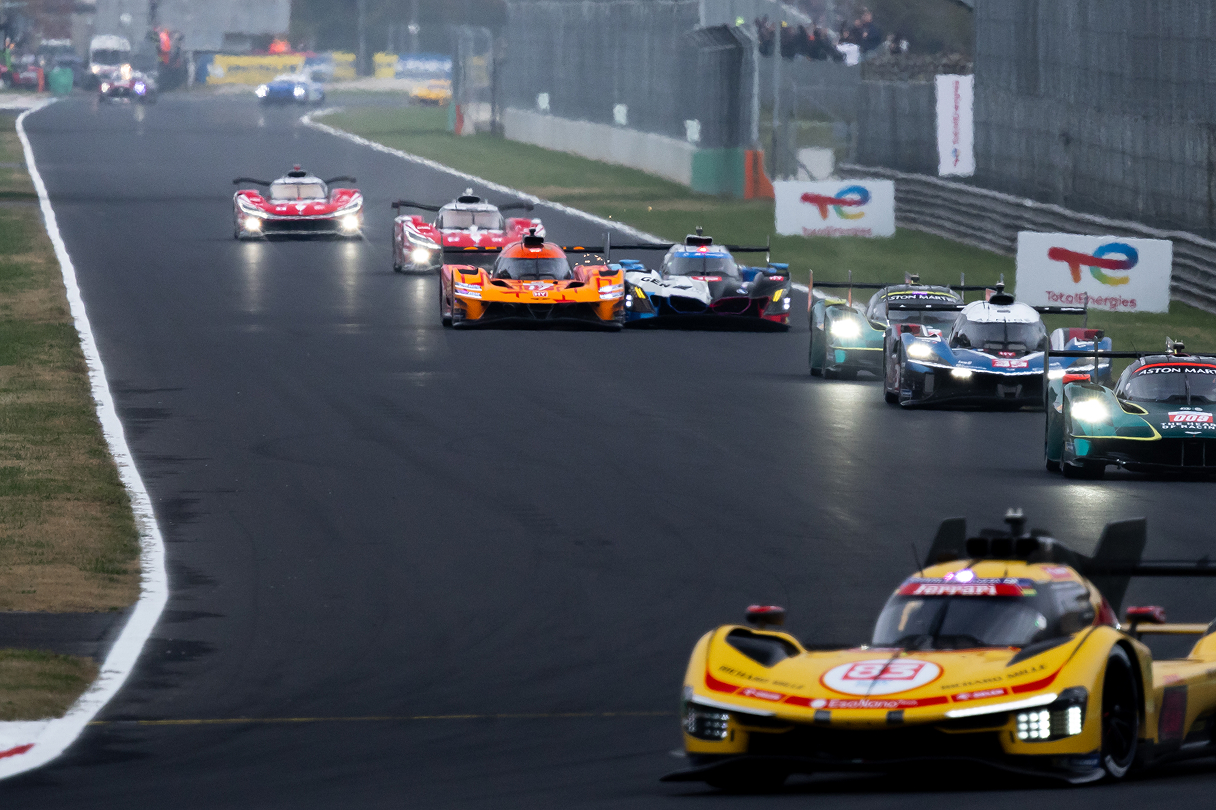
Rain was still falling when FP2 began at 2:30 p.m., although the track dried considerably more than it had during the morning session. By the closing stages, most teams had switched to slick tires. Kubica's No. 83 AF Corse Ferrari set the early pace, breaking into the 1:39 range as Aston Martin and BMW gave chase. The No. 83 Ferrari eventually topped the session with a 1:38.143, while Harry Tincknell brought the No. 007 Aston Martin into the 1:38s as well. Mathieu Jaminet finished fifth in the No. 19 Genesis, with the No. 17 ninth.
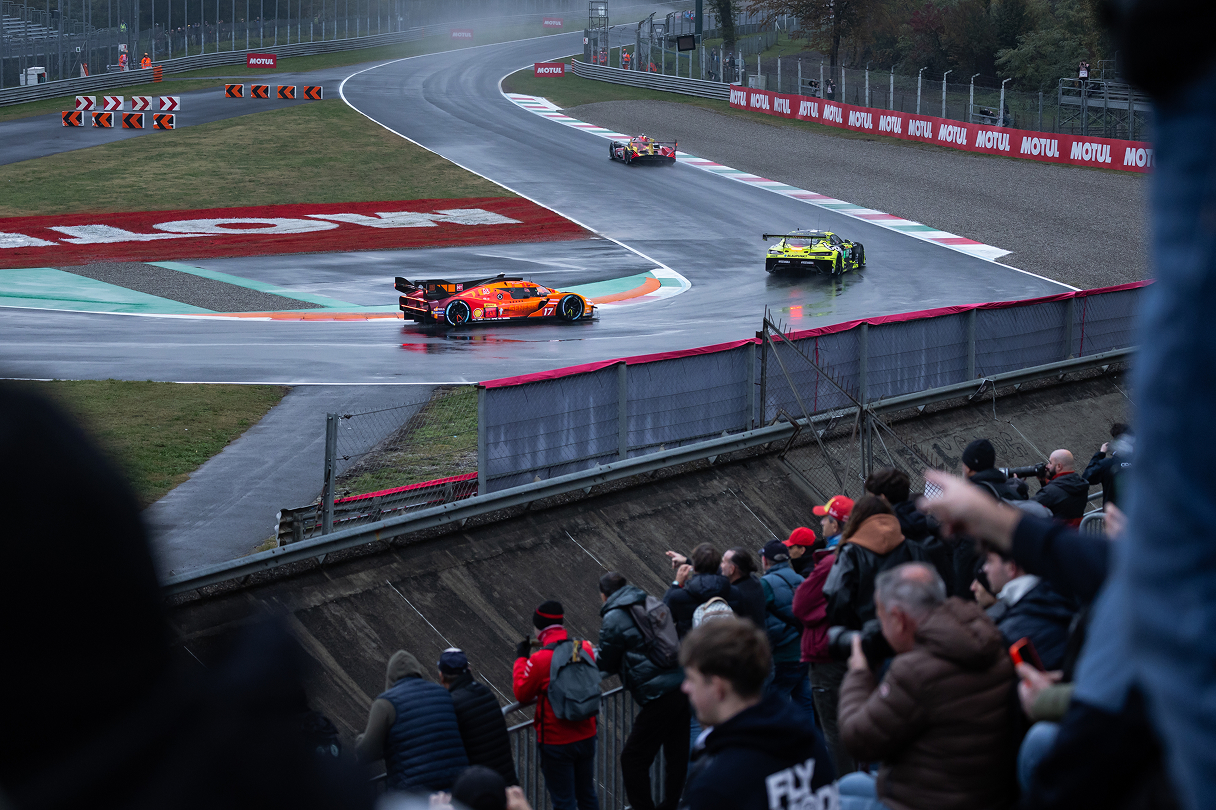
FP3 got underway at 10:30 a.m. on Saturday, November 7. Kubica was quick again, with Cadillac and Alpine close behind. Rain early in the session left the track slippery and contributed to several off-track excursions. But as the surface dried toward the end, the fight for the fastest lap intensified. In the closing moments, Nick Cassidy delivered a 1:42.706 in his Peugeot, beating Alpine and Ferrari to top a session for the first time in his career. The two Genesis cars had been running farther down the order, but Daniel Juncadella climbed to sixth in the No. 19 while Mathys Jaubert finished ninth in the No. 17. Both Genesis entries had now finished inside the top 10 in every practice session.
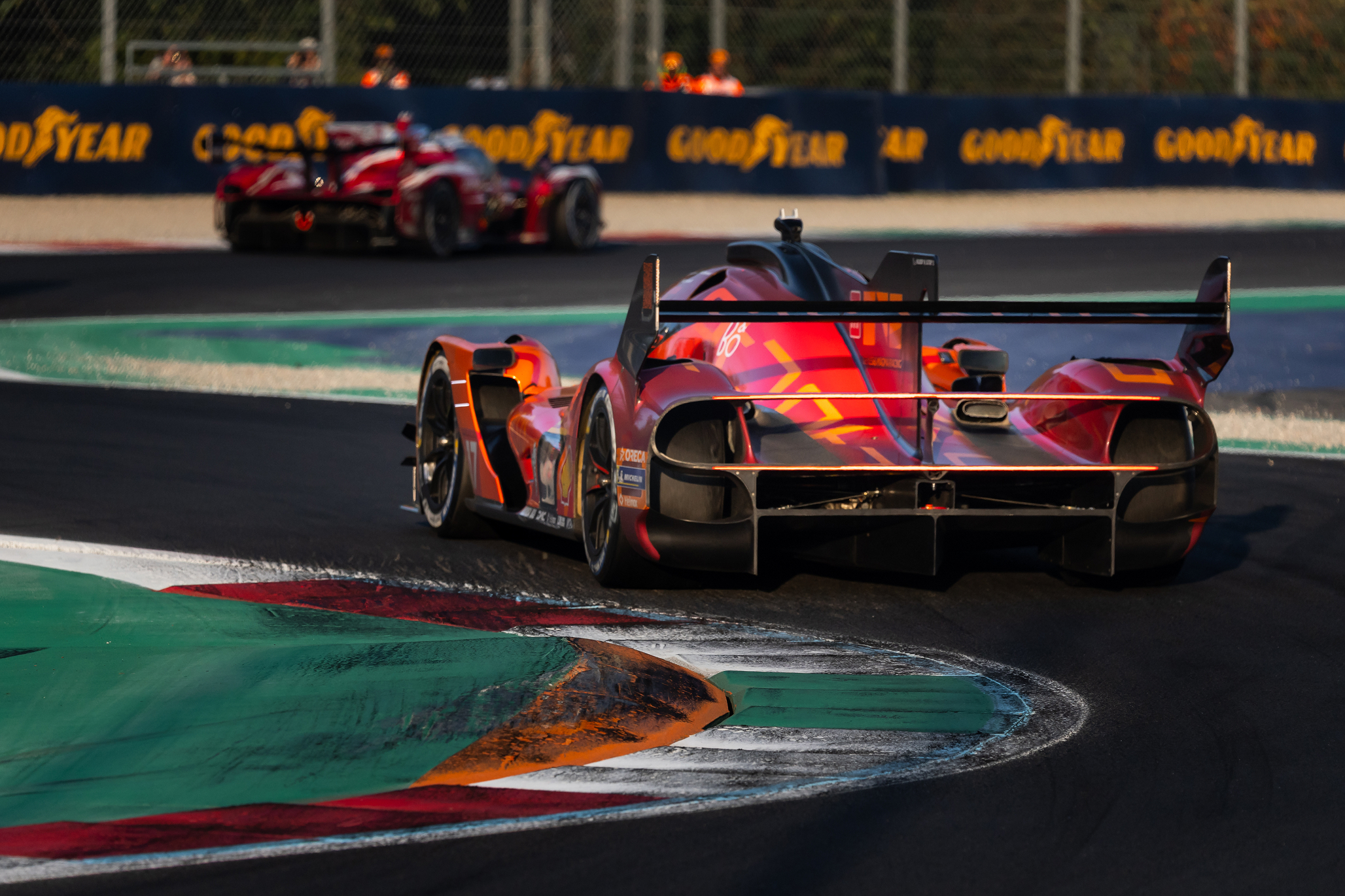
By the time qualifying began at 3:00 p.m., the rain had stopped. Air temperature stood at just 9.6°C, with the track at 11.7°C. The racing line had dried, but getting enough heat into the tires remained a challenge.
Genesis sent Jaubert and Jaminet out for the opening qualifying session. Just five minutes in, Jaminet had moved to the top of the timesheets, with Jaubert immediately behind him. But the real time attacks were only beginning. Lap times quickly dropped into the 1:35 range, and the provisional lead changed hands repeatedly. With three minutes remaining, three Ferraris occupied the top spots before Jaminet and Jaubert surged into second and third. By the end of the session, the No. 50 Ferrari was fastest, followed by Genesis Magma Racing in second and the AF Corse Ferrari in third. Jaubert's No. 17 Genesis ultimately finished 13th, missing out on a place in Hyperpole.
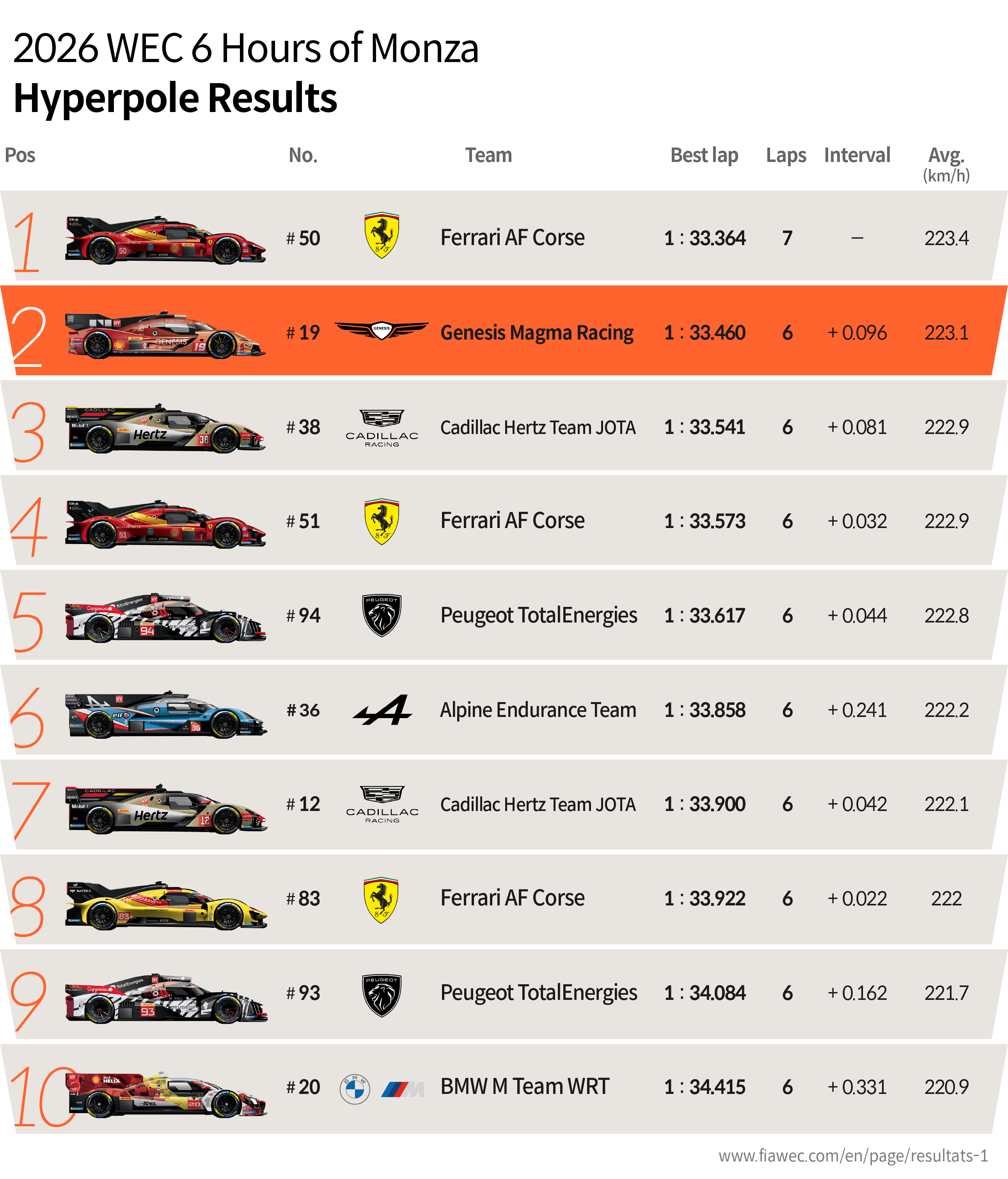
The Hyperpole shootout began with Antonio Fuoco in the No. 50 Ferrari and Earl Bamber in the No. 38 Cadillac fighting for the top spot. With 1 minute and 50 seconds remaining, Jaminet was sixth. Then, in the closing moments, he delivered a lap quick enough for provisional pole. Ferrari, however, had one more shot. Backed by the cheers of the Tifosi, Fuoco improved his time and secured the No. 50 Ferrari's first pole position in 18 months.
Jaminet's No. 19 Genesis Magma Racing would start second, another impressive qualifying performance following the team's pole position in Barcelona. In LMGT3, the No. 78 Akkodis ASP Lexus took pole, followed by the No. 33 TF Sport Corvette. The No. 77 Proton Competition Mustang and No. 23 Heart of Racing Aston Martin completed the top four.
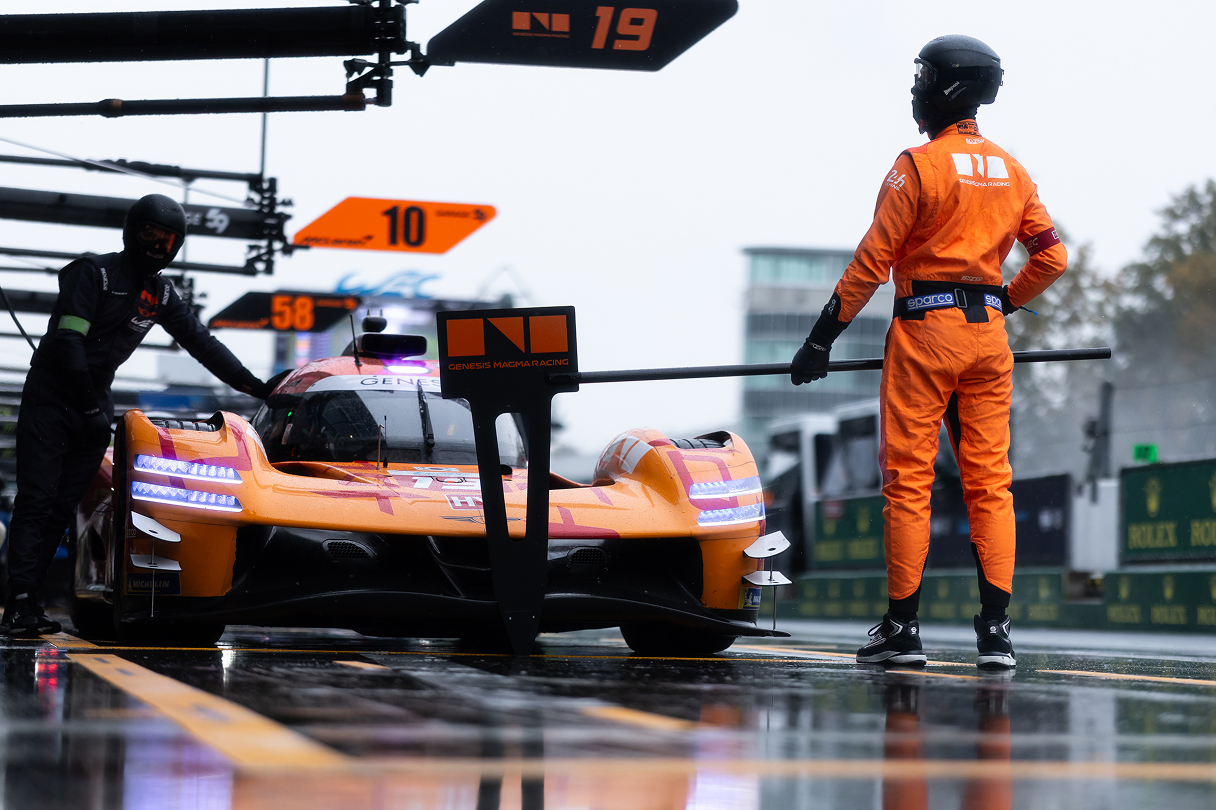
At 11:00 a.m. on Sunday, November 8, conditions at Monza were chilly but dry. Air temperature was 11.5°C, track temperature was 12.3°C, and humidity stood at 73 percent. Every car started on soft-compound tires, with one exception: the No. 93 Peugeot fitted a single medium-compound tire on its right-rear corner.
The opening lap delivered immediate drama. At the Rettifilo chicane, Daniel Juncadella battled the No. 50 Ferrari for position, cut across the first corner, and emerged in the lead. Jack Aitken seized the opportunity to move the No. 38 Cadillac into second, while the No. 51 Ferrari climbed to fourth. André Lotterer briefly dropped to 14th in the No. 17 Genesis before recovering to 13th by the end of the opening lap.
Juncadella had taken the lead, but the move came at a cost. Race control ruled that the No. 19 Genesis had gained an advantage by cutting the chicane and handed the car a five-second penalty.
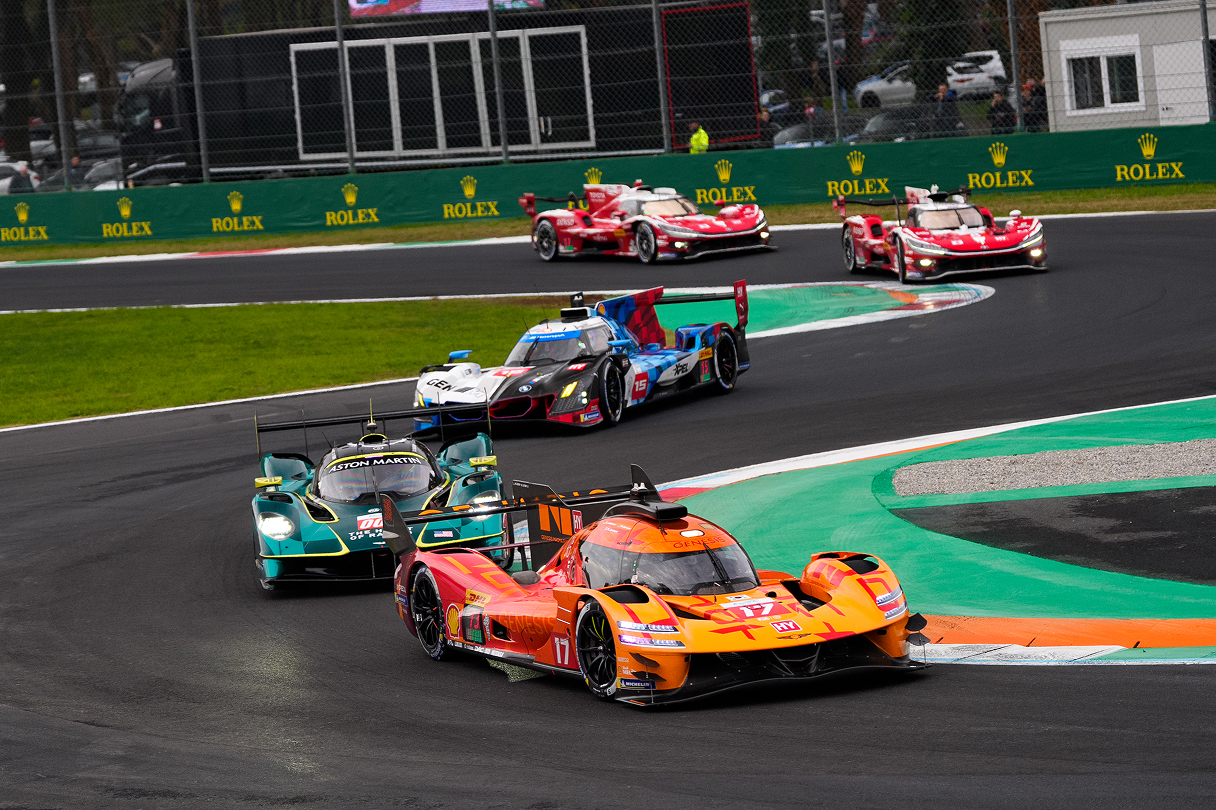
Ten minutes into the race, the Hypercars began catching LMGT3 traffic, making an already tight battle even more complicated. Juncadella tried to open a gap, but Aitken remained close behind. Using the slipstream down the main straight, the Cadillac closed in and completed the pass just before Turn 1.
The two cars continued their battle with roughly a second separating them. The pair of Ferraris followed about two seconds farther back.
By the 40-minute mark, cars were beginning to make their first pit stops. Monza's high proportion of full-throttle running makes fuel consumption particularly demanding compared with other circuits. Ferrari, meanwhile, suffered a major setback when both the No. 50 factory entry and No. 83 AF Corse car received 20-second penalties for violating tire-pressure regulations. The penalties dealt a serious blow to Ferrari's hopes of winning the season finale in front of its home crowd.
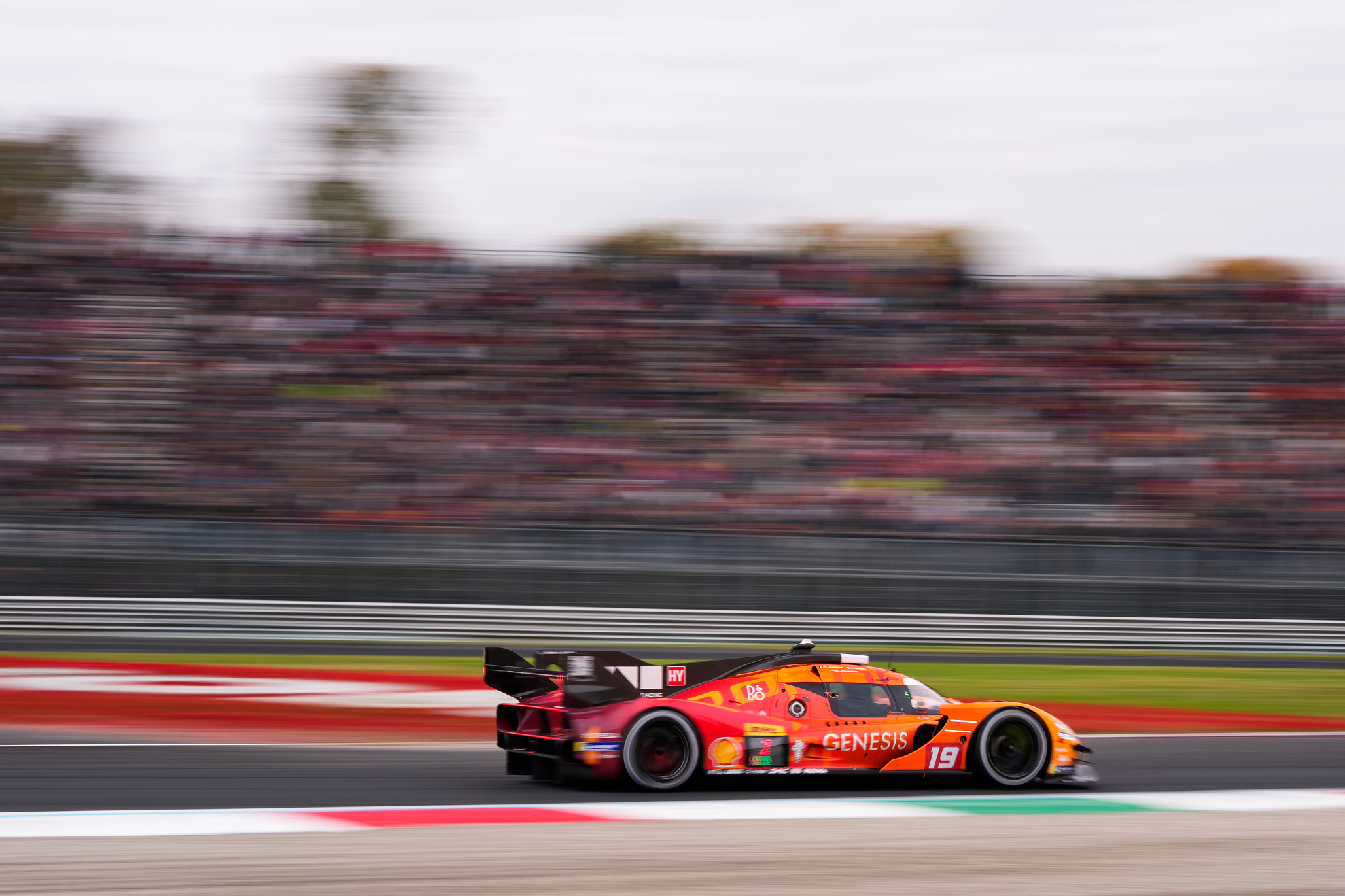
After every car had completed its first pit stop, the No. 38 Cadillac remained in front. The No. 19 GMR-001 was still second, followed by the No. 36 Alpine, No. 51 Ferrari, and No. 94 Peugeot. The No. 17 Genesis, with Lotterer having handled the opening stint, was running ninth. In LMGT3, the No. 87 Lexus led the No. 77 Mustang and No. 34 Corvette.
At 1 hour and 27 minutes, a major accident disrupted the LMGT3 field. Despite heavy damage, the No. 58 McLaren limped toward the pits. A Virtual Safety Car (VSC) period followed, prompting numerous teams to pit. Genesis used the opportunity to change drivers in both cars, with Mathys Jaubert taking over the No. 17 and Paul-Loup Chatin climbing into the No. 19.
Both Toyotas, meanwhile, were running well down the order. With the No. 7 showing little sign of mounting a serious charge toward the front, the Drivers' Championship was effectively all but decided.
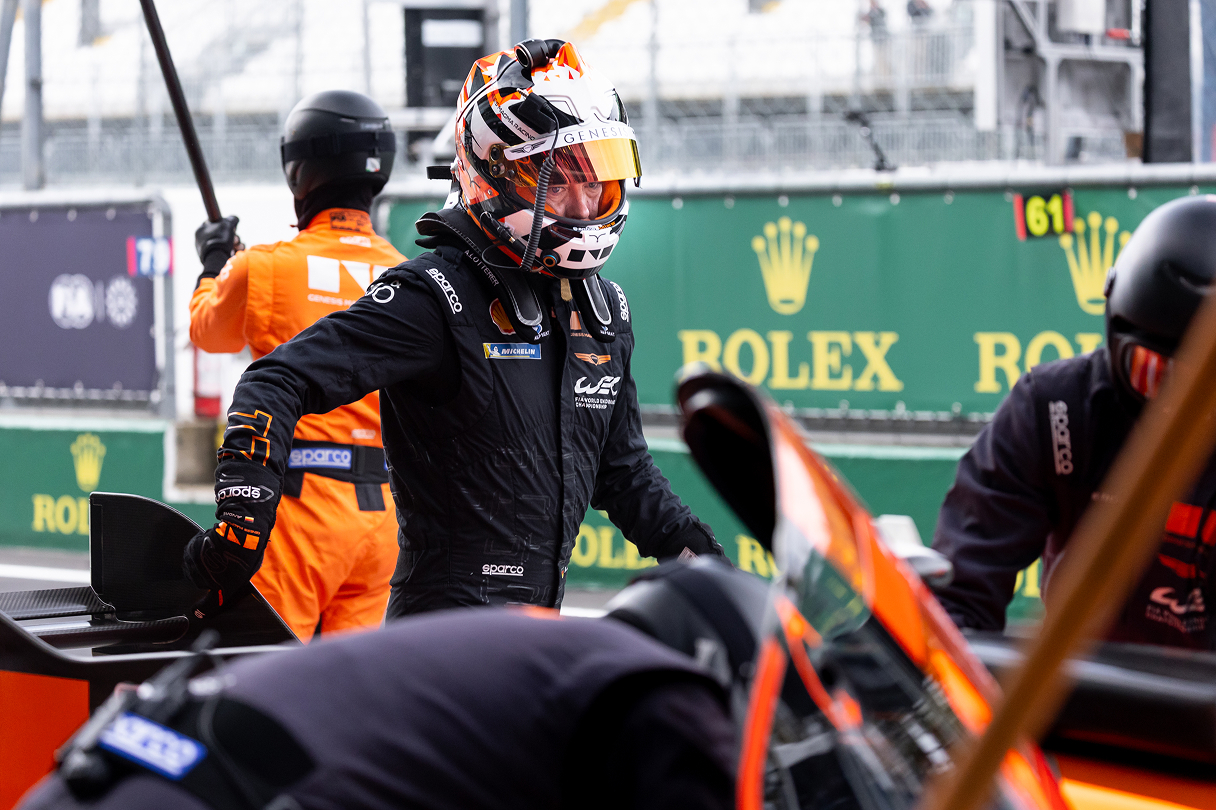
Two hours into the race, trouble struck Genesis. The No. 19 GMR-001, which had been running second, suddenly stopped near the exit of the Ascari chicane. Attempts to restart the car failed, and it eventually had to be pushed off the track.
The resulting VSC period brought another wave of pit stops. Sébastien Bourdais took over the leading No. 38 Cadillac, while the No. 51 Ferrari moved into second. The No. 36 Alpine ran third, followed by the No. 20 BMW.
Jaubert, meanwhile, had brought the No. 17 Genesis up to eighth, only for the car to receive a penalty for exceeding the permitted power output. The penalty dropped it to 13th. Under WEC regulations, torque sensors continuously monitor the power delivered to the wheels. If that output exceeds the prescribed limit, the car can be penalized.
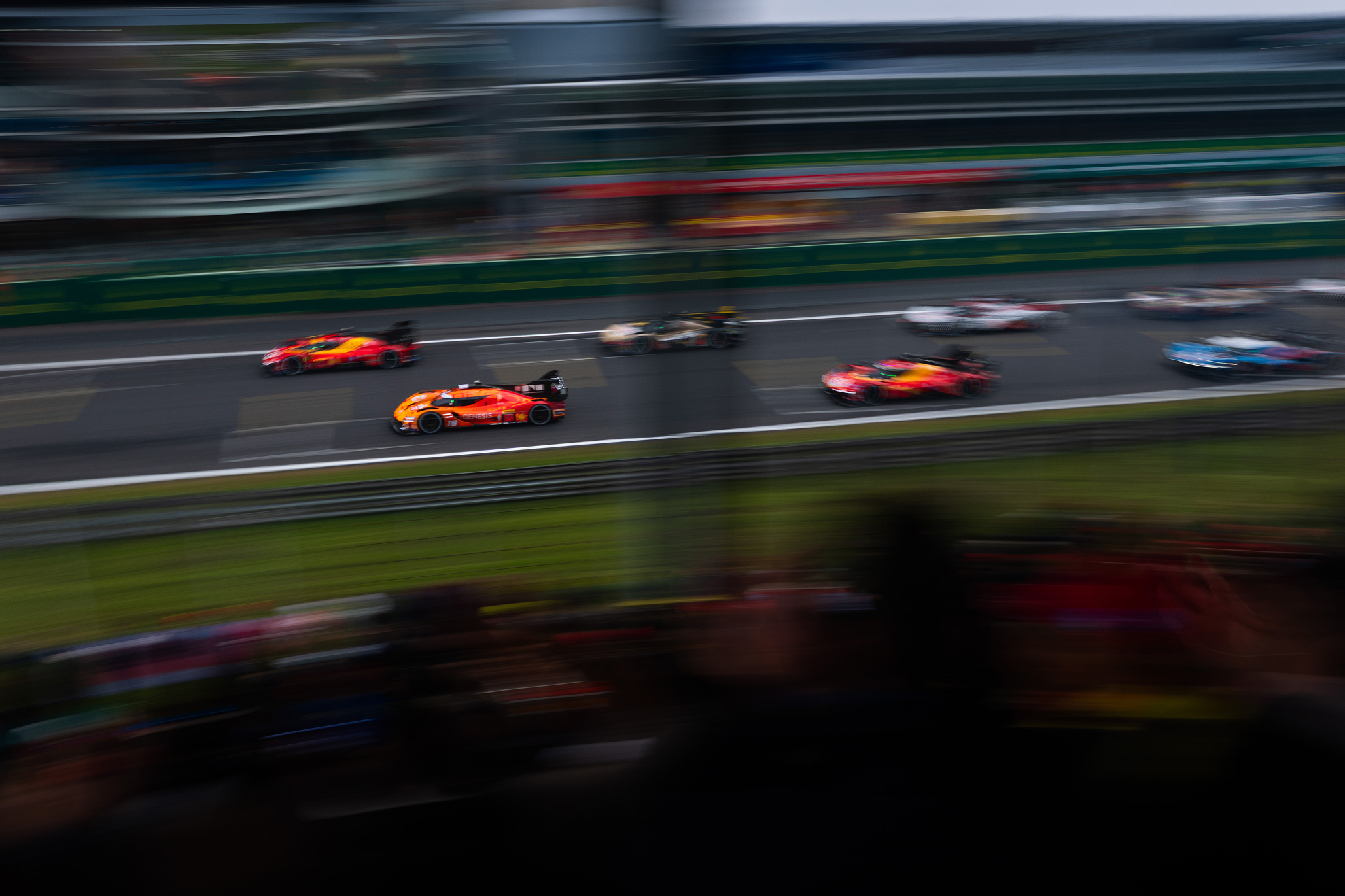
At 3 hours and 23 minutes, the No. 35 Alpine went off at Parabolica and struck the barriers, bringing out the fourth Safety Car of the race. After a lengthy caution period while the circuit was cleared, the No. 38 Cadillac continued to lead the Hypercar field, followed by Alpine and BMW. Pipo Derani was running 13th in the No. 17 Genesis.
Elsewhere, the No. 83 AF Corse Ferrari, which had fought its way back up the order after an earlier penalty, suffered another setback when one of its wheels came off while the car was running, sending it tumbling back down the standings. In LMGT3, the No. 92 Manthey Porsche led, with the No. 88 Mustang and No. 33 Corvette giving chase.
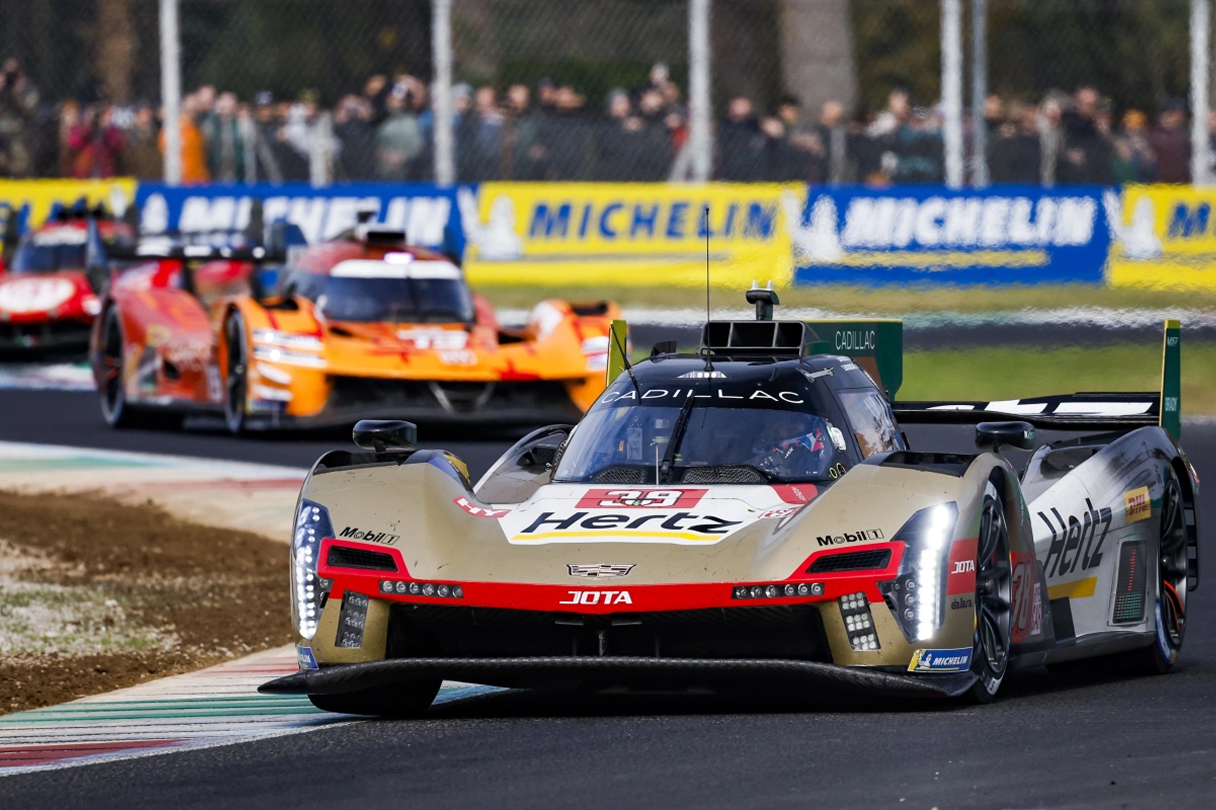
The closing stages brought no major changes at the front. Earl Bamber, driving the final stint in the No. 38 Cadillac, held off a determined challenge from Victor Martins in the No. 36 Alpine to take victory. It was the No. 38 crew's first win, capping a second half of the season in which the trio scored more points than any other driver lineup.
Alpine finished second in its final WEC appearance. The No. 007 Aston Martin initially crossed the line third, apparently securing its first Hypercar podium, but a penalty denied the team that result. The No. 51 Ferrari inherited third place, giving the Tifosi something to celebrate.
Toyota managed just one point in the race, but it still completed a dominant 2026 campaign by adding the Drivers' Championship to its Manufacturers' title. The No. 8 crew of Brendon Hartley, Ryō Hirakawa, and Sébastien Buemi claimed the Drivers' crown, while the No. 7 Toyota of Kamui Kobayashi, Mike Conway, and Nyck de Vries finished runner-up in the standings.
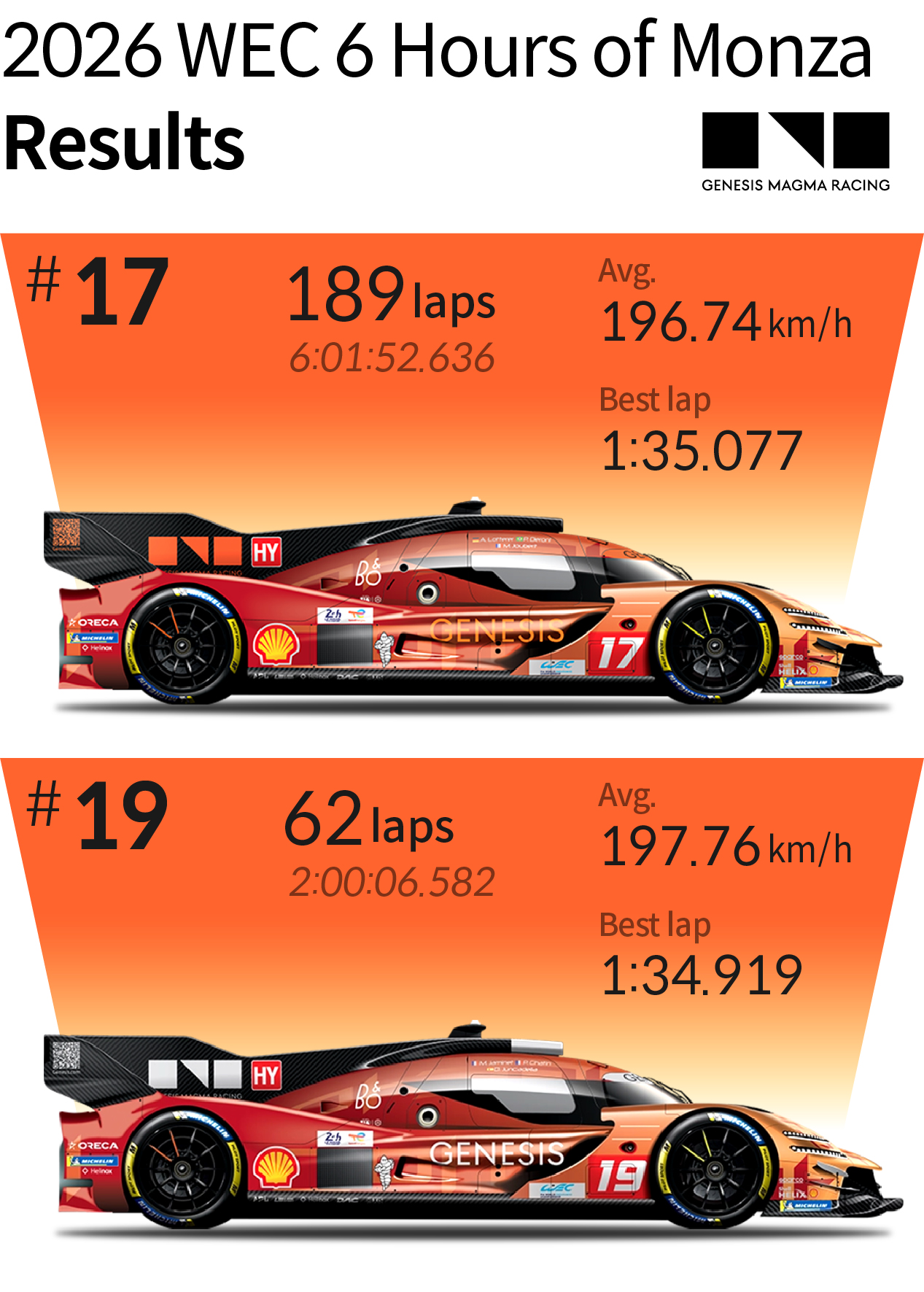
For Genesis Magma Racing, the season finale ended in frustration. The No. 19 GMR-001 retired, while the No. 17 finished 13th, outside the points. After holding second for much of the opening two hours and showing competitive pace, the No. 19 was once again sidelined by a system failure similar to the one the team had encountered at Le Mans. The No. 17 had also been working its way up the order before a penalty pushed it out of points contention.
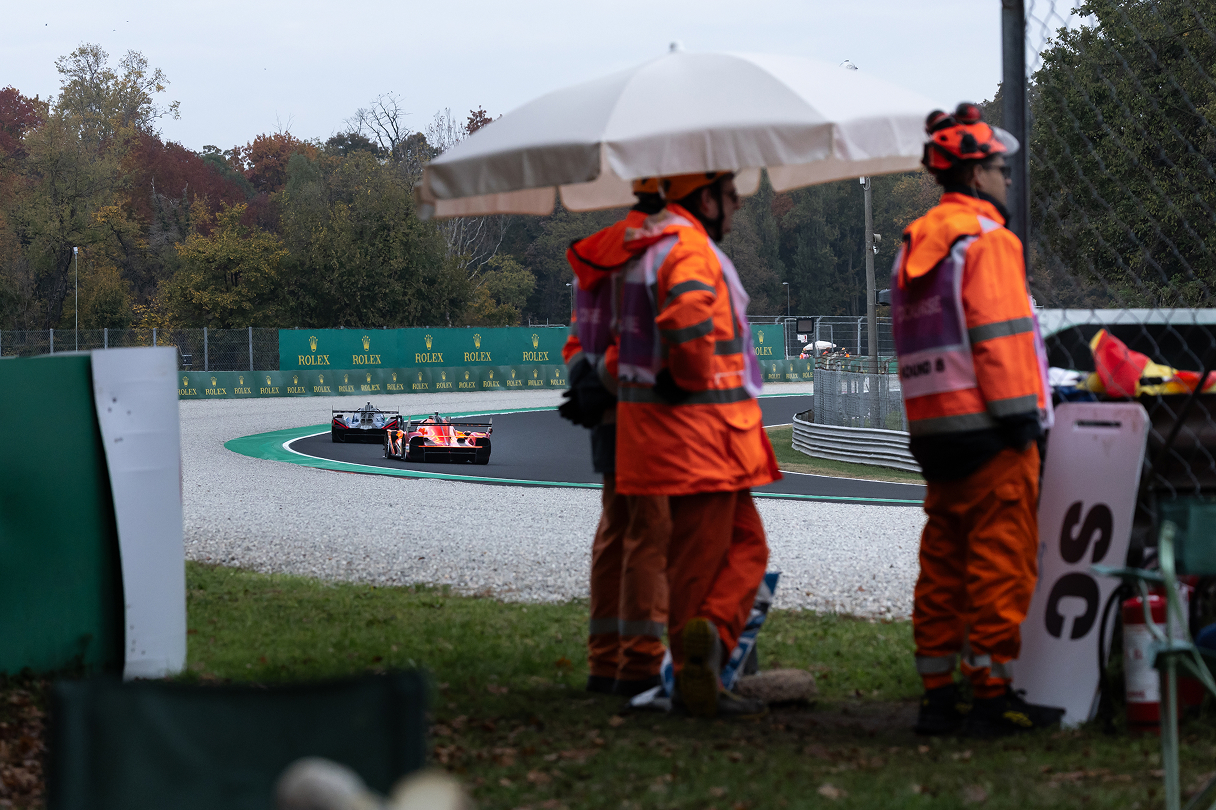
The 2027 WEC calendar is set to expand to nine rounds, its largest schedule in recent years. However, with geopolitical tensions in the Middle East still unresolved, it remains uncertain whether the season opener in Qatar and the finale in Bahrain can go ahead as planned. The Hypercar grid is also set to grow. Although Alpine is departing the championship, two major manufacturers—Ford and McLaren—are preparing to enter the top class, promising an even more competitive field.
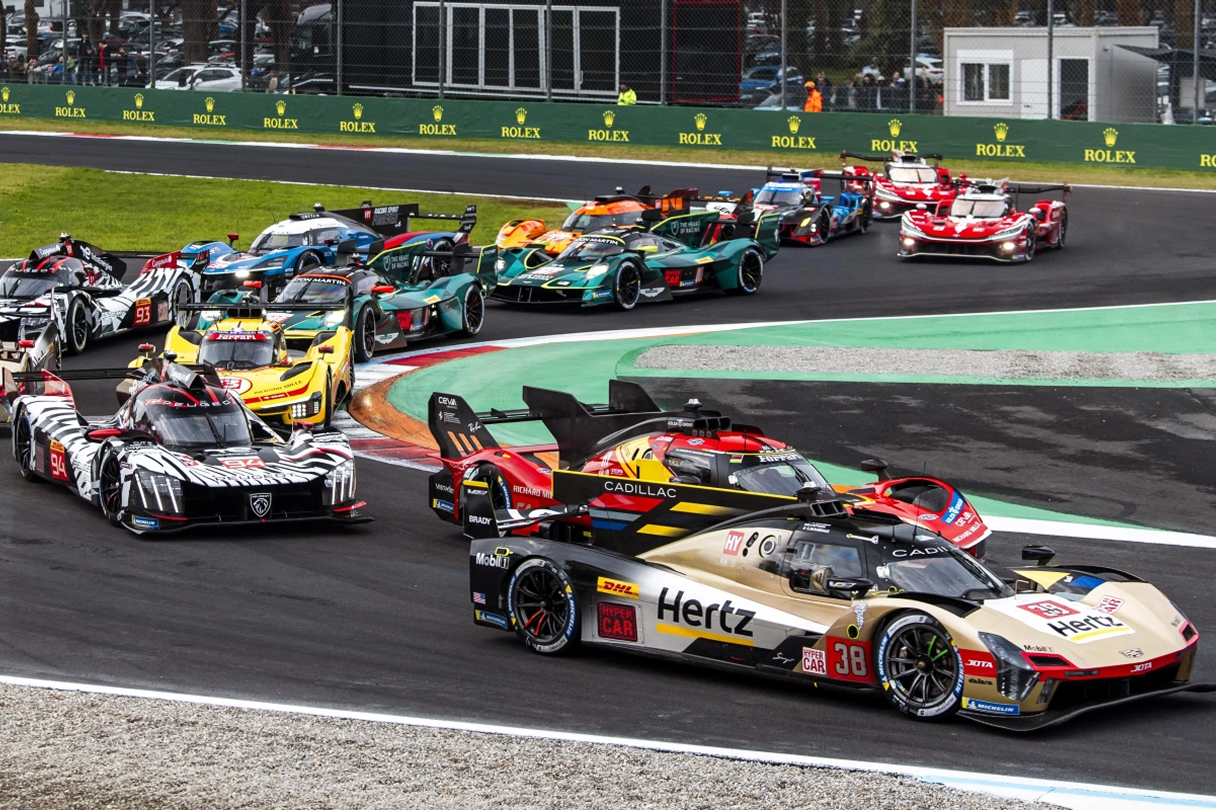
The driver market is also undergoing a major reshuffle. Unlike Genesis Magma Racing, which has confirmed that its entire 2026 lineup will remain intact, several rival teams are making substantial changes.
McLaren, one of the newcomers to the Hypercar class, has recruited Laurens Vanthoor from Porsche Penske Motorsport in IMSA, Alex Lynn from Cadillac Hertz Team JOTA, and Mikkel Jensen from Peugeot. Ford is also assembling its driver lineup, signing Nick Yelloly and Tom Blomqvist from Acura's departing IMSA program. They join former Formula 1 driver Logan Sargeant and 2010 Le Mans winner Mike Rockenfeller.
Cadillac Hertz Team JOTA is taking a different approach. The team plans to combine its WEC and IMSA driver pools, relying on a smaller group of core drivers to compete in both championships. As part of the restructuring, veteran Sébastien Bourdais will leave the team, while António Félix da Costa arrives from Alpine. Toyota, traditionally reluctant to make changes to its established driver lineup, will also need to adjust following Mike Conway's confirmed retirement.
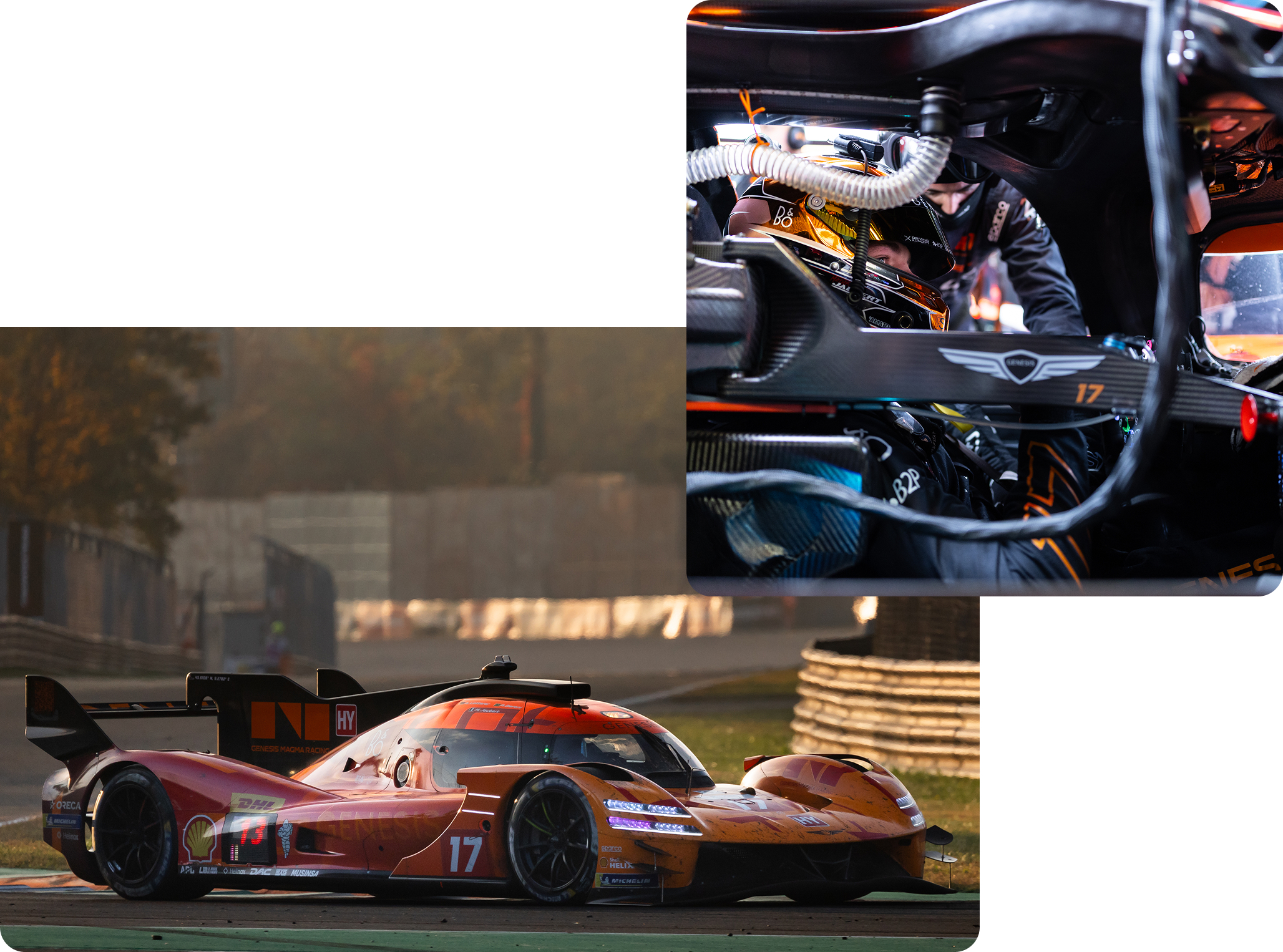
Despite the challenges of being a newcomer to top-level endurance racing, Genesis Magma Racing made a strong impression in its first season. The team completed the 24 Hours of Le Mans on its first attempt, while the GMR-001's pace improved considerably during the second half of the year. The breakthrough came in Barcelona, where Genesis claimed its first pole position. With more races and more data to work with, the team still has plenty of room to develop.
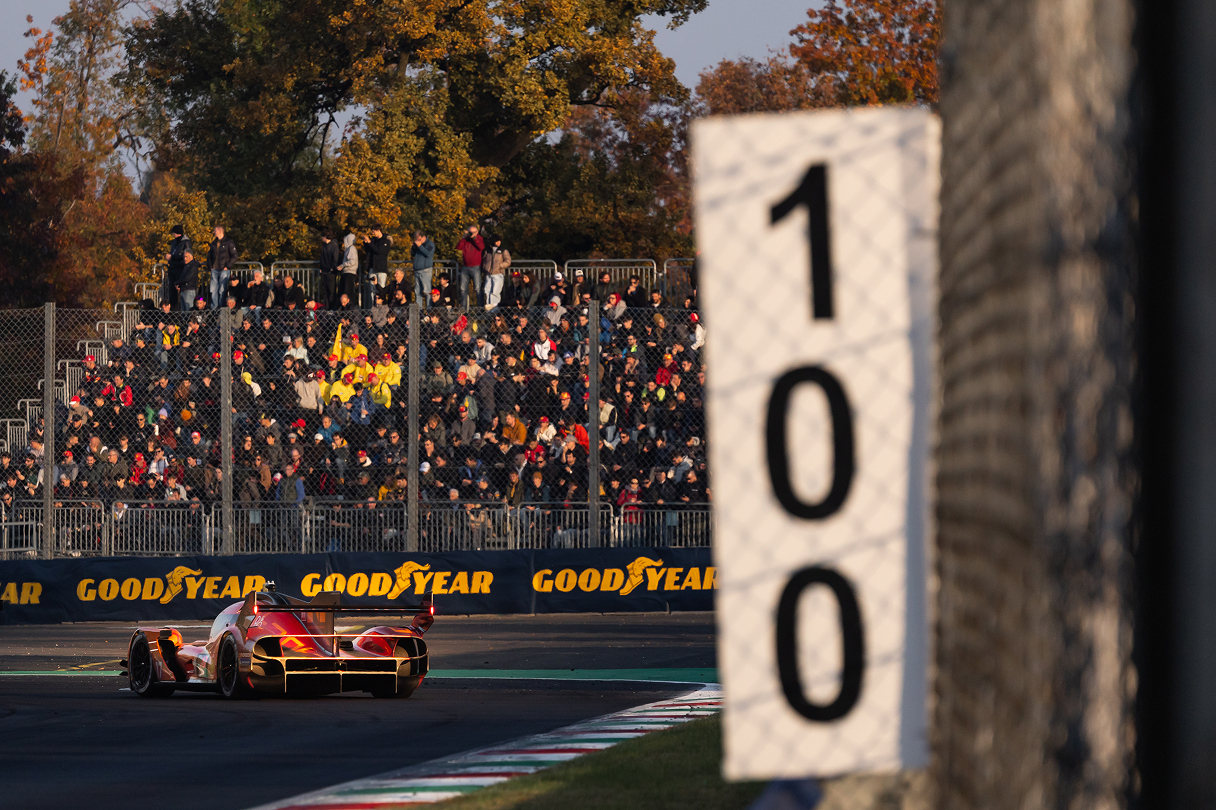
But Monza also made clear that there is work to be done. With the same six drivers confirmed for a second consecutive season, Genesis can focus on further refining the connection between its drivers and the GMR-001 Hypercar. Careful analysis of the feedback and data collected throughout 2026 will be equally important. Genesis Magma Racing's debut season offered a clear glimpse of its potential. Its endurance racing story, however, has only just begun.
Written by: Soo-jin Lee
In 1991, Lee’s passion for cars led him to enthusiastically write letters to the newly launched Korean car magazine Car Vision. This unexpected connection launched his career as an automotive journalist. He has served as editor and editorial board member for Car Vision and Car Life, and now works as an automotive critic. While eagerly covering the latest trends like electric vehicles, connected cars, and autonomous driving technology, he is also a car enthusiast who secretly hopes that the smell of gasoline engines will never disappear.