WRC Round 6, Vodafone Rally de Portugal, is one of the championship’s true legacy gravel events—run on the rough dirt roads of central and northern Portugal, backed by punishing stages, broken surfaces, and a crowd that treats rally cars like rock stars. The rally’s hub is Porto, Portugal’s second-largest city and a major port—and famously, the place tied to the origin of the country’s name. It’s also a city loaded with history and tourism landmarks.
Rally de Portugal has been part of the story since the beginning, launching with WRC’s inaugural 1973 season. It’s officially the year’s second gravel rally after Safari, but Safari is its own category of chaos—so Portugal is widely viewed as the season’s first “pure” traditional gravel event.
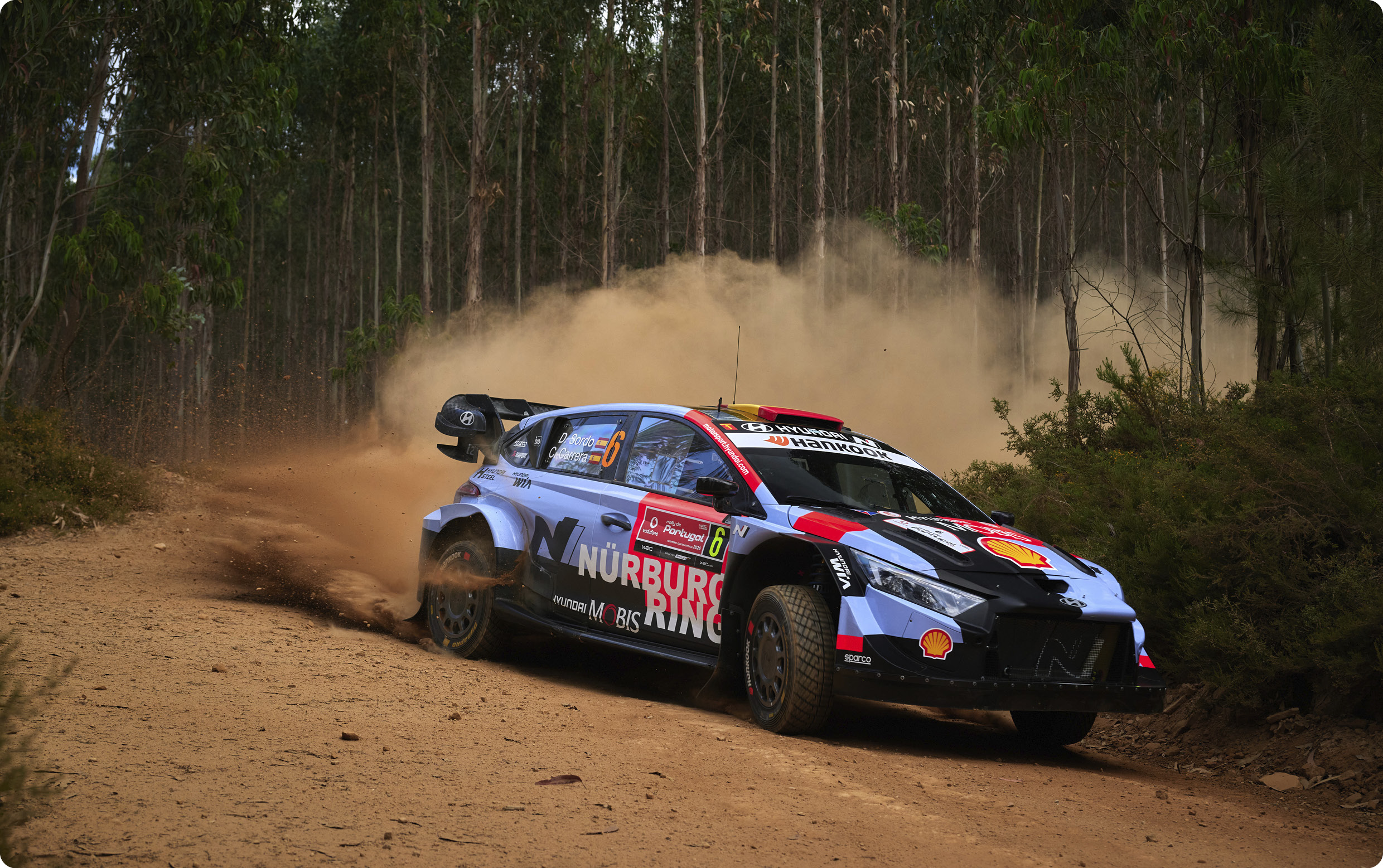
Stages range from flat-out, high-speed sections to technical tests that drain both the car and the driver. Early in the weekend, the road can feel relatively smooth and forgiving. But as the field keeps cycling through, the surface gets chewed up: heavy dust hangs in the air, ruts deepen, and the sharp volcanic rock hid-den underneath starts punching through. Add rising temperatures, and tire management quickly becomes the central variable—the thing that decides whether you’re attacking or just surviving.
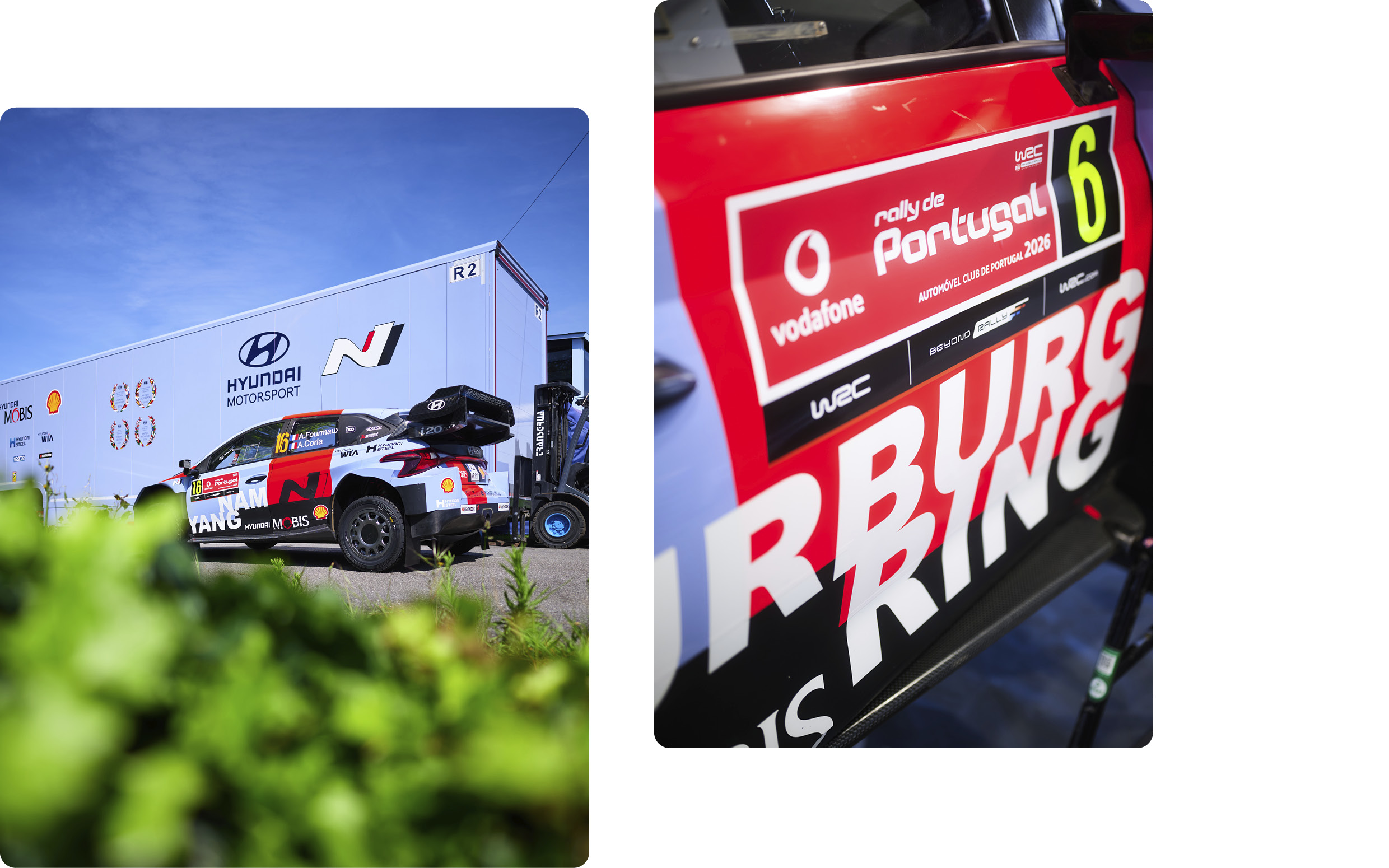
For Hyundai Motorsport, Portugal is a pivotal round—an opportunity to swing momentum back the other way. The i20 N Rally1 has generally shown stronger fighting form on gravel than on tarmac, and Portugal has been a happy hunting ground: 11 podiums to date, including a win in 2018. Hyundai brought a familiar lineup again—Adrien Fourmaux, Thierry Neuville, and Dani Sordo—making it two straight starts for the trio.
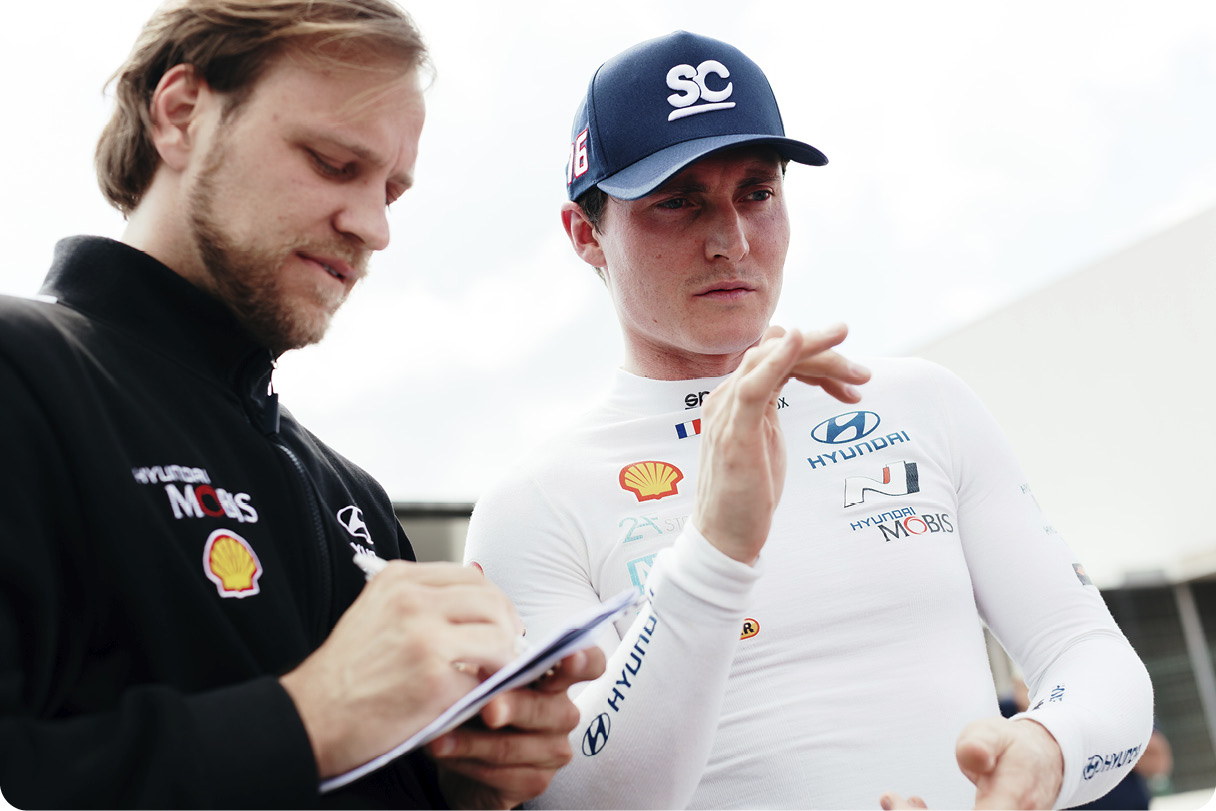
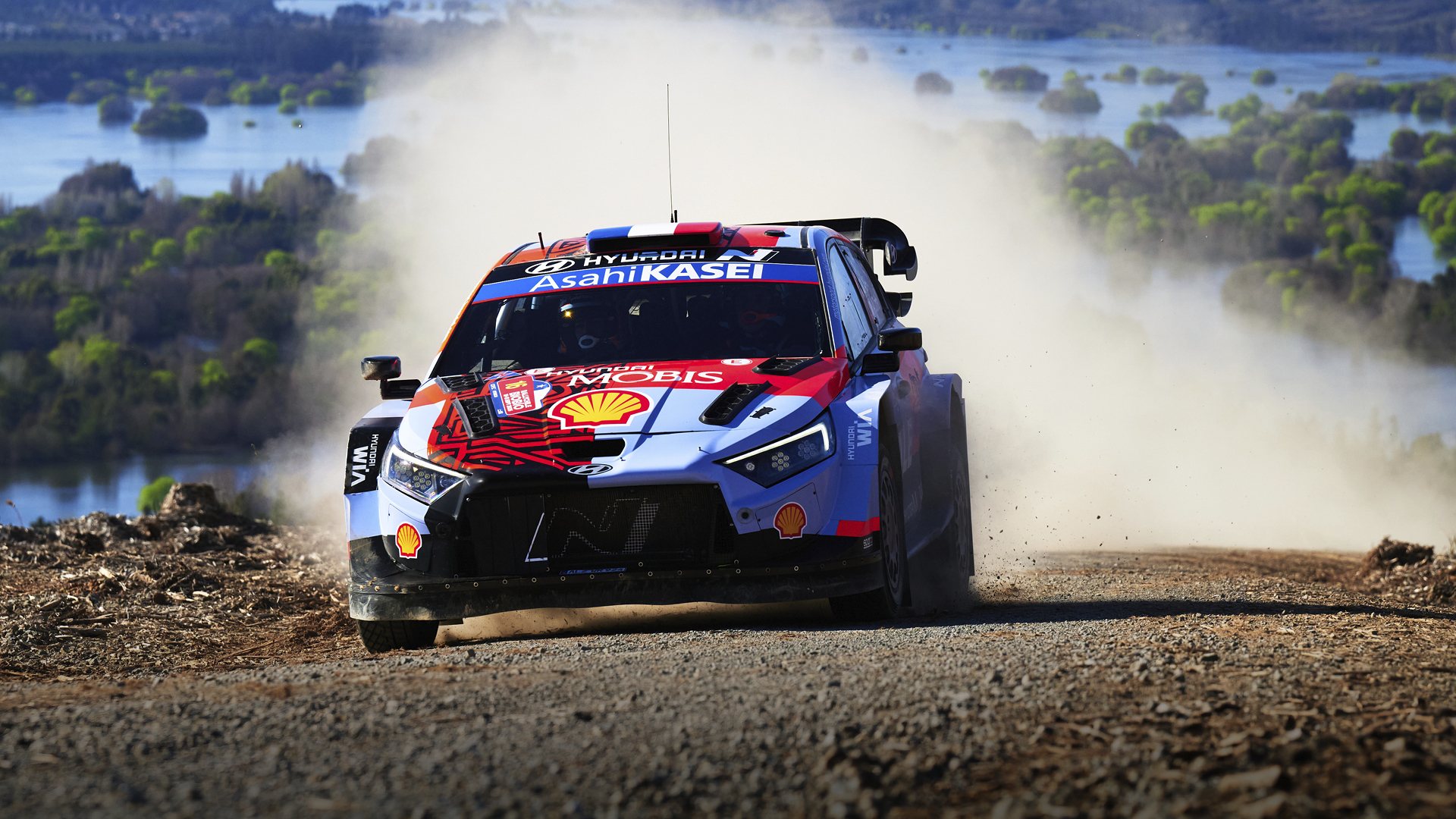
Fourmaux is Hyundai’s top points scorer so far and sits fifth in the championship standings. And heading into Portugal, he sounded like a driver who’d been waiting for gravel all year: "The season really starts now in Portugal, because it’s a different surface to everything that has come before. Testing has been good, and we are much more comfortable and confident with the pace on gravel. I like Rally de Portugal, and I’ve always been competitive here. I’ve been unlucky with some punctures or technical issues in the past, but we go to Portugal with the motivation to push and get the best result possible."
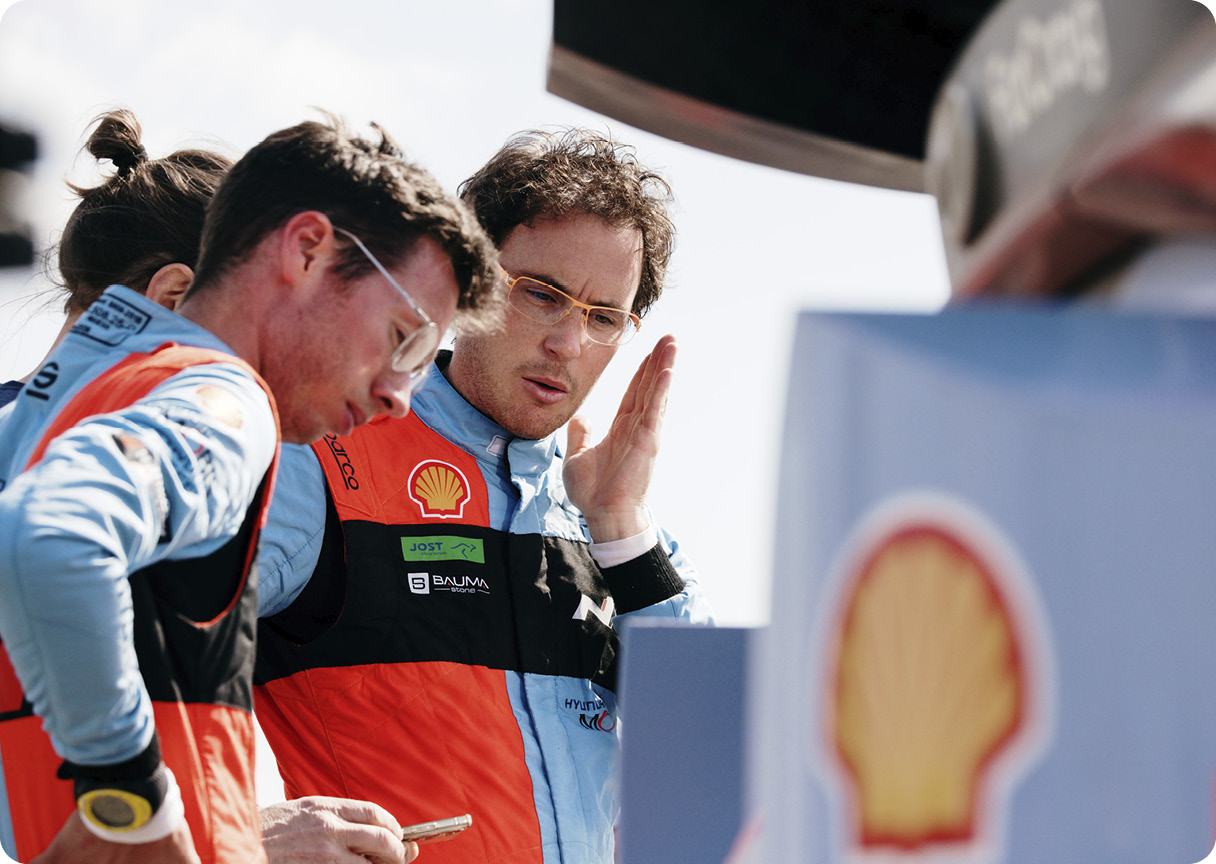
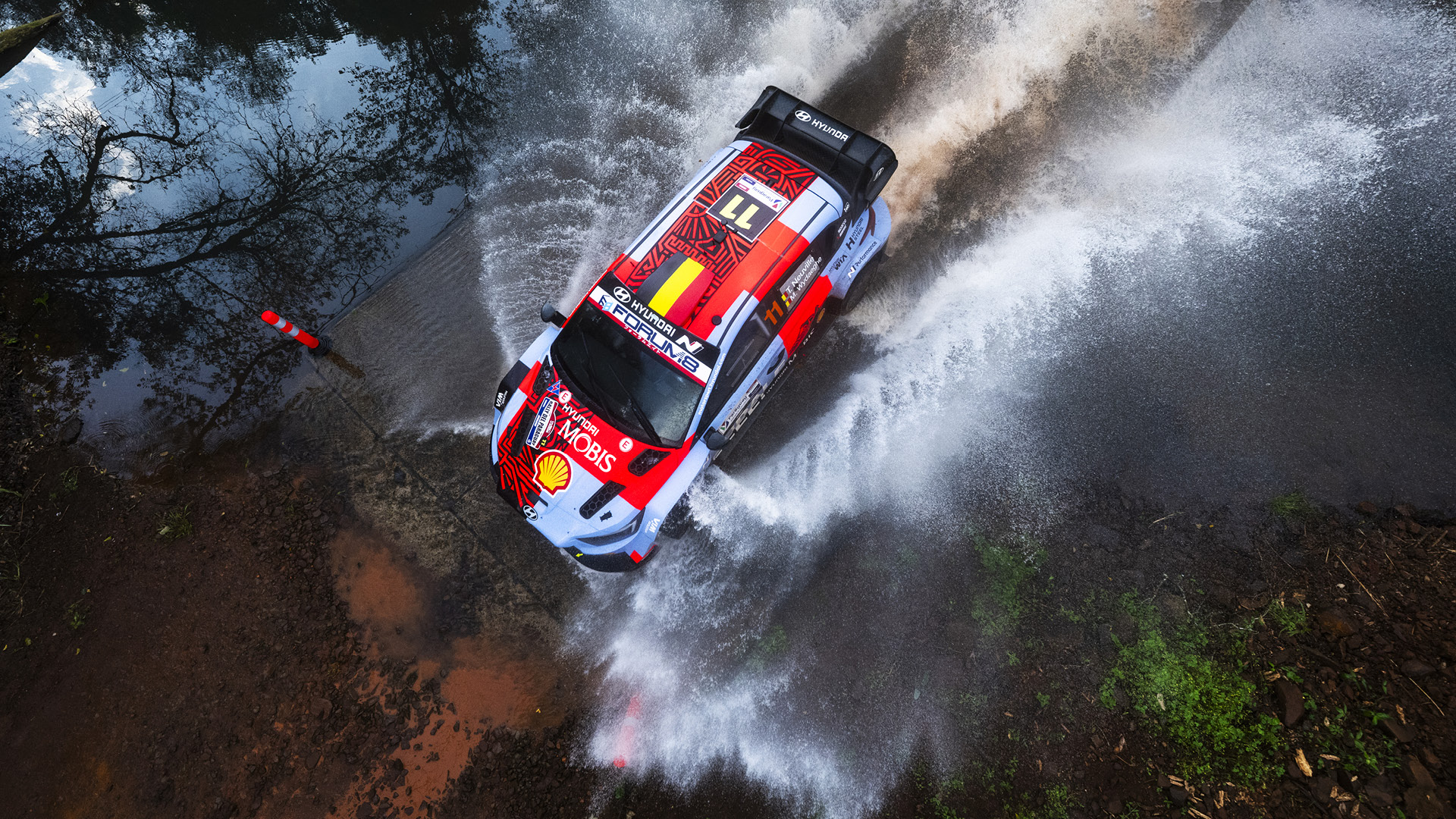
Neuville—who has four Portugal podiums including a win in 2013—also made it clear he was coming in with high expectations: "I have lots of great memories of Rally de Portugal – including it being one of my first events in Junior WRC in 2010 – and a couple of podiums and a win too. It's a tough event; the most difficult thing is managing the differences in stage profiles across the three or four days. You have the more abrasive and rough stages, but also the smooth and sandy ones. This year, there will be a complete mix of both on every single day, which is something new to the itinerary. We’ve set our targets high, our car should also be more competitive on gravel, so we're looking forward to it."
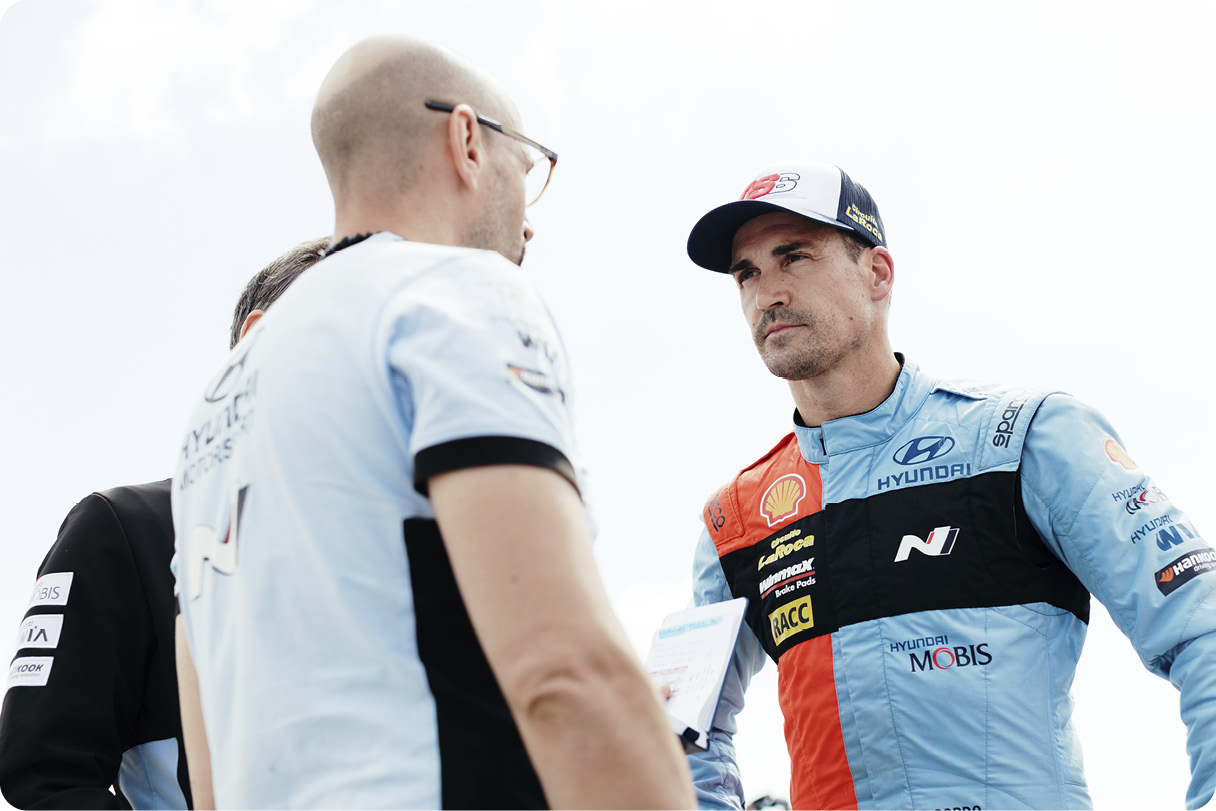
After returning to the top class at Rally Islas Canarias, Sordo now had to switch gears—literally and mentally—for gravel. He doesn’t have a Portugal win, but he does have seven podiums here. And after recent events on tarmac, he acknowledged the adjustment while aiming high: "It's difficult to switch from tarmac to gravel, especially because my recent rallies in the Portuguese Championship, plus Canarias and La Llana, were all on tarmac. We did one day of gravel testing before Rally de Portugal and the feeling is completely different. It was hard at the beginning, but it's getting easier. We're confident we have a good car for gravel and we'll be much more competitive than we were in Canarias. I want to do well in front of the Portuguese fans."
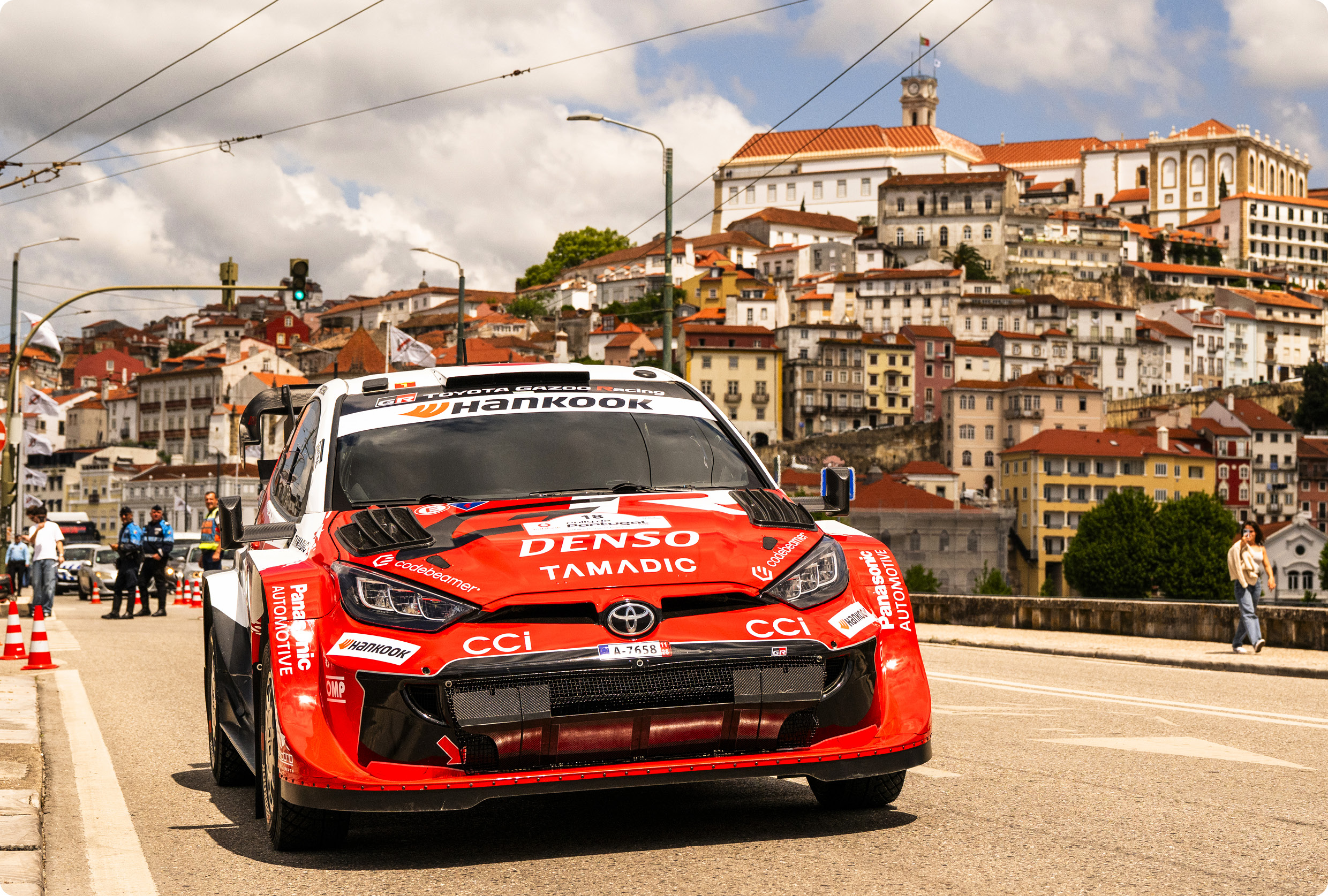
Toyota entered Portugal with the kind of momentum that changes how everyone else has to race. With wins in every round through Round 5, Toyota fielded Elfyn Evans, Takamoto Katsuta, Sébastien Ogier, and Oliver Solberg—plus second-team entry Sami Pajari—for a five-car GR Yaris Rally1 effort.
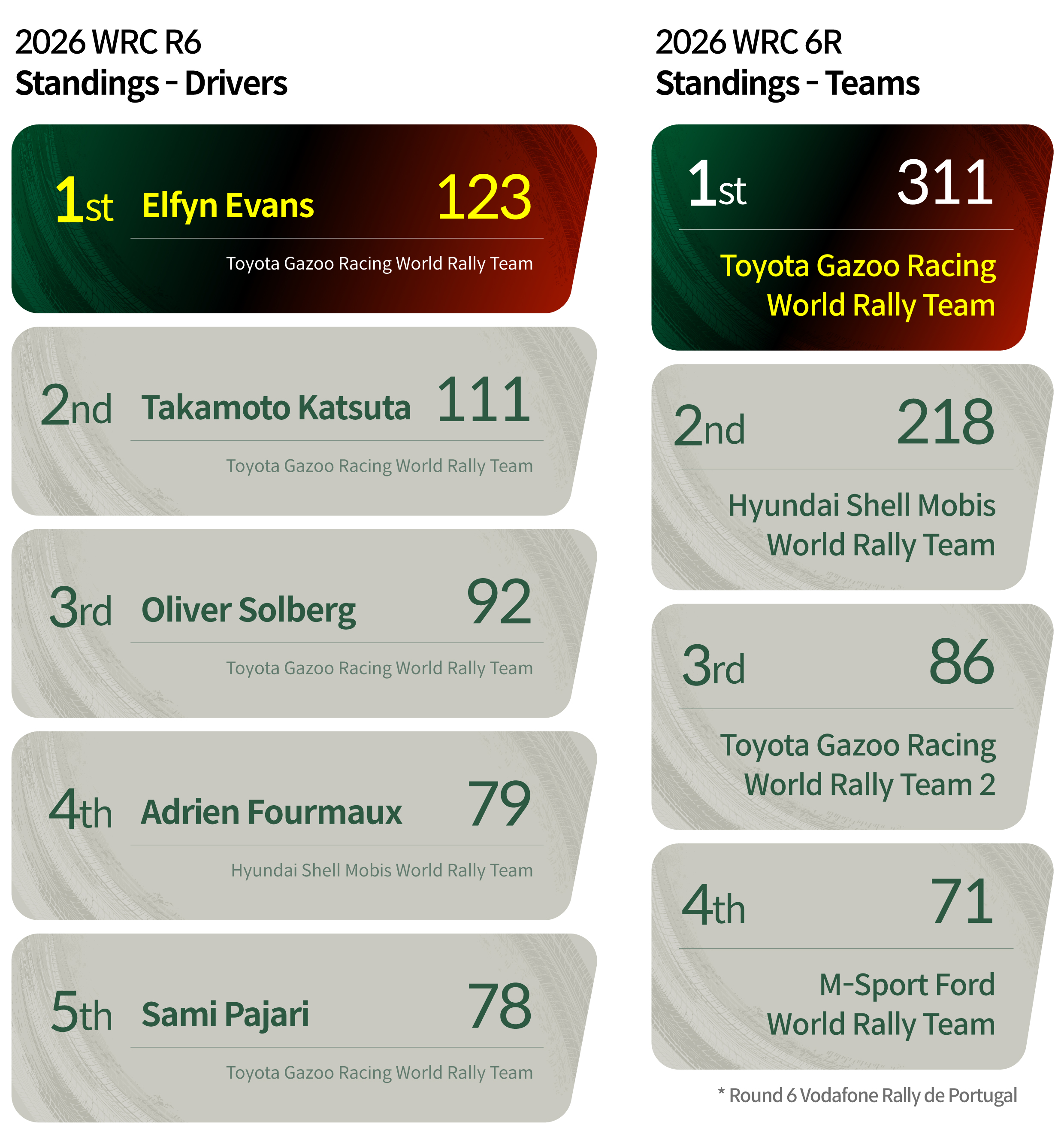
Evans leads the championship, with Katsuta right on his heels after grabbing a second win in the Canary Islands. Toyota has also won in Portugal six straight years. Individually, Ogier is the king of this place, carrying seven Portugal wins. For manufacturers’ points nomination, Toyota selected Evans, Ogier, and Solberg.
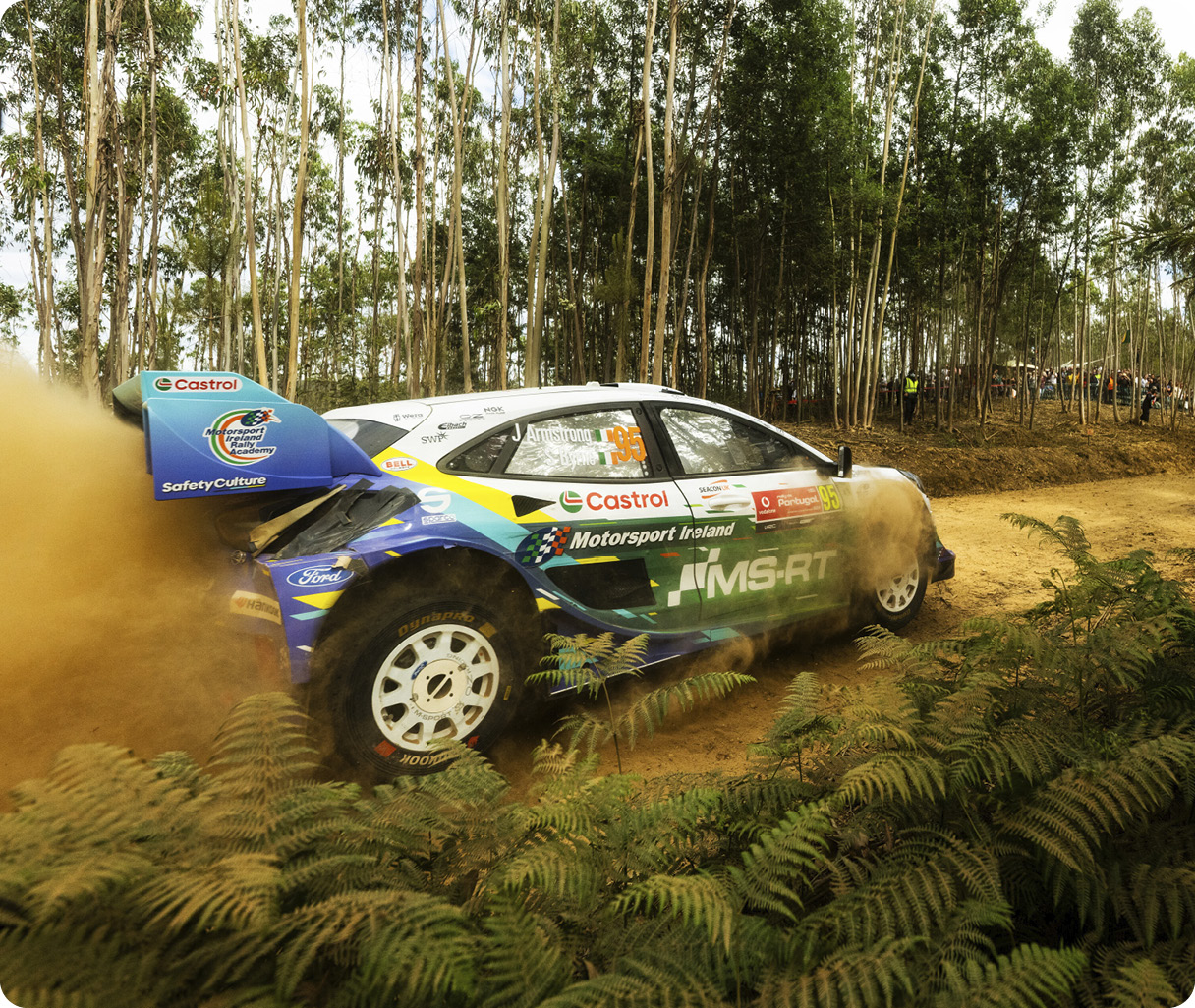
M-Sport Ford rolled in with three Puma Rally1 entries: Josh McErlean, Jon Armstrong, and Mārtiņš Sesks. Armstrong is making his first Rally1 start in Portugal, but he has history here—he finished fourth in Junior WRC at this event back in 2022. Sesks returns for the first time since Sweden in Round 2; he finished 15th here last year. He’s entered as a privateer and is not nominated for manufacturers’ points.
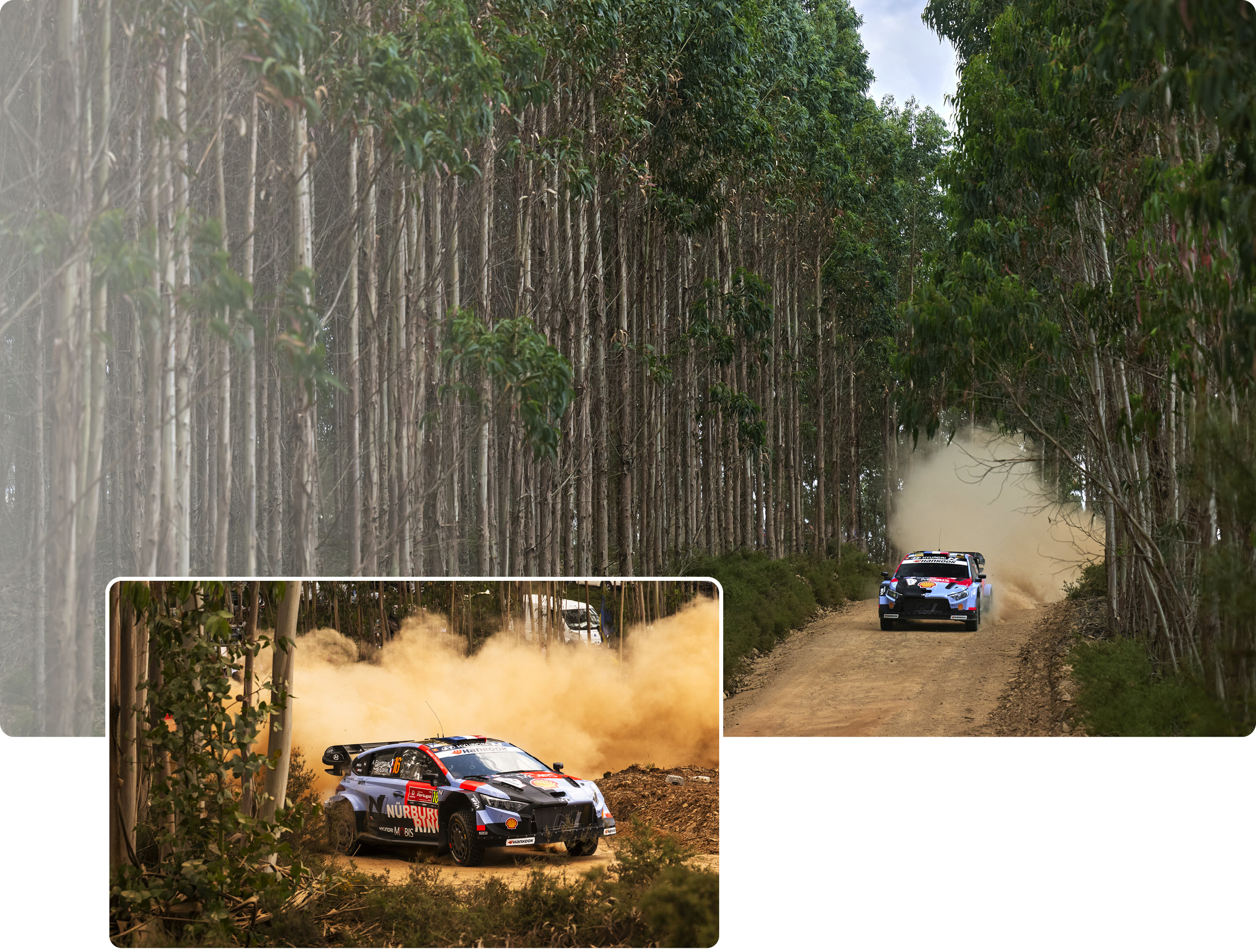
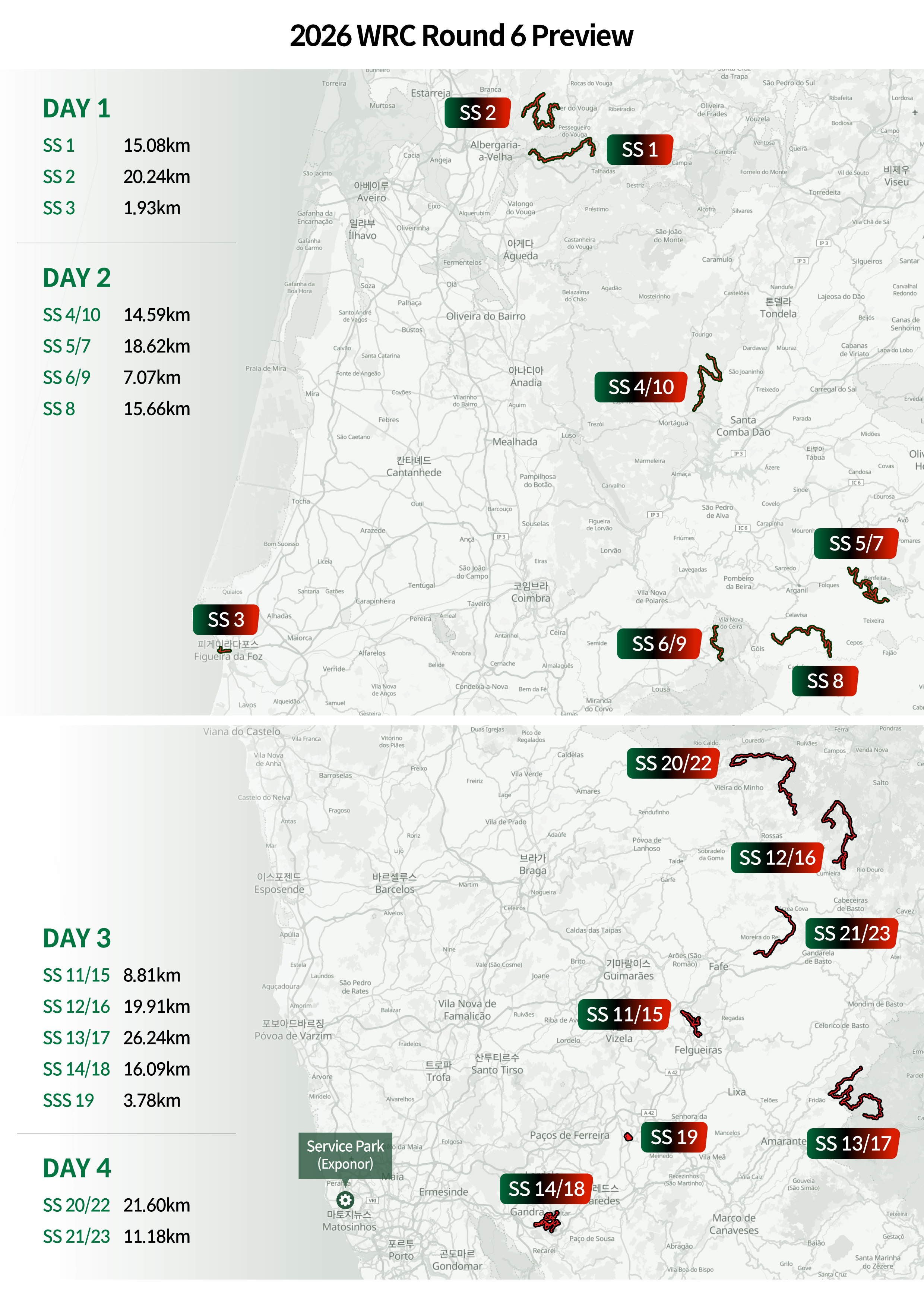
Rally Portugal properly got underway at 3:00 p.m. Thursday with SS1 Águeda–Sever (15.08 km). First used last year, it starts tight, gets even more technical around the 10 km mark, then flips into a fast asphalt run—climbing hard before finishing at the Sever do Vouga rallycross track. Tire choices immediately split the room: aside from Sesks and Armstrong (both committed to six hard tires), most of the field went with a balanced spread of hards and softs.
Fourmaux said he “had some good fun” after setting the fastest time on the opener. Video: WRC (https://www.wrc.com)
Hyundai’s Adrien Fourmaux fired the first shot, setting the fastest time on the opening stage. He said: “It is a quite technical stage and very nice to drive. The ground was breaking up and making a lot of loose rocks. Actually I had some good fun.” The surface was rough enough that Fourmaux’s front tire tread blocks were visibly torn away—Portugal reminding everyone early that it’s a gravel rally that only gets meaner as the road gets used up. Road-sweeping Elfyn Evans went second-fastest, with Oliver Solberg and Dani Sordo next.
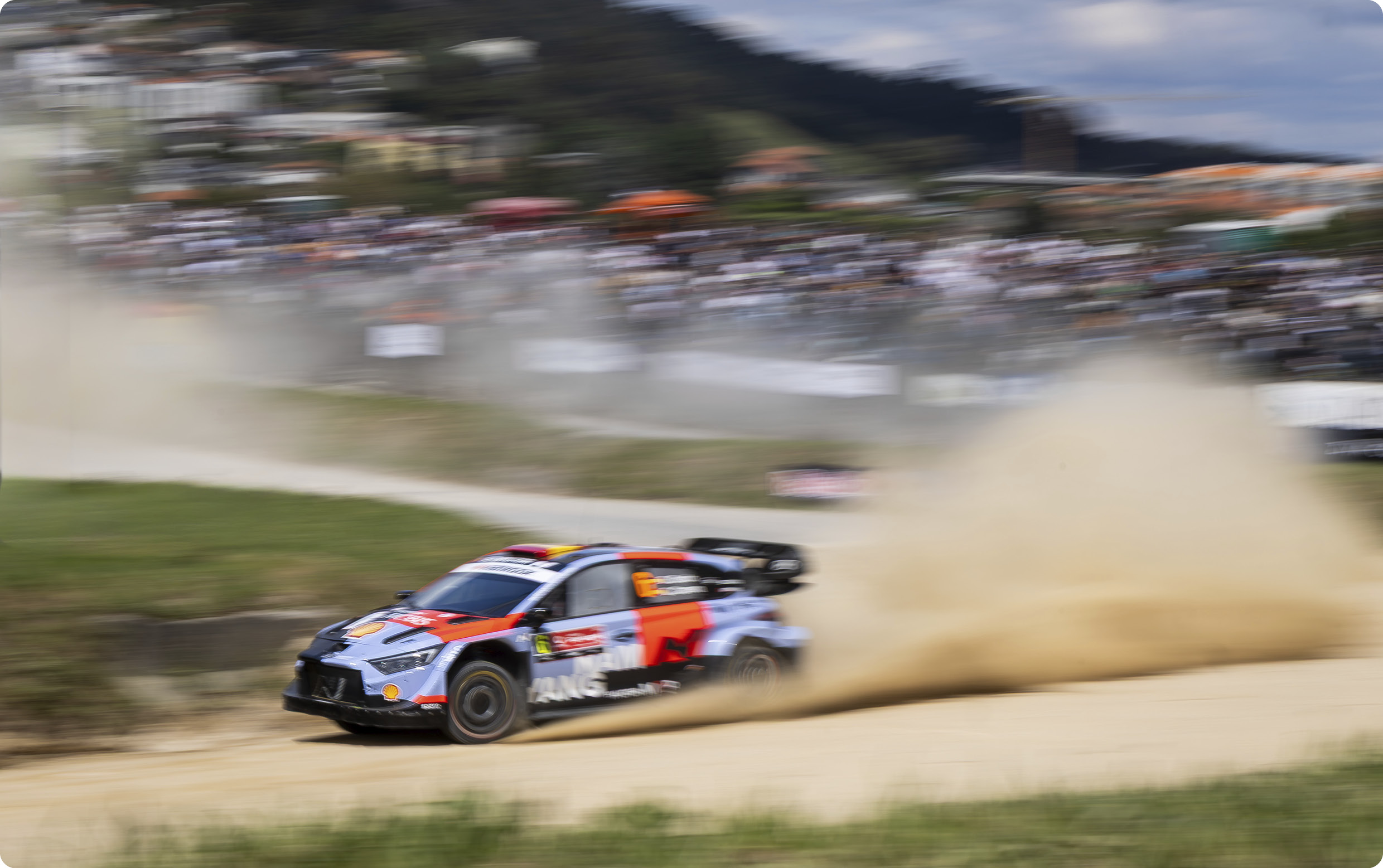
Neuville and Sordo were fighting low grip and searching for confidence. Video: WRC (https://www.wrc.com)
SS2 Sever–Albergaria (20.24 km) was the long, technical grinder—back again from last year, and known for producing one of the slowest average speeds because it simply doesn’t flow. Solberg topped the times here, with Thierry Neuville right behind.
Neuville’s read was blunt: “It was ok but it is tough in there. There are a lot of lines in there. It is a very technical in there. It was an ok stage for us but still we had no feeling for the grip. I cannot trust it. That's something we need to improve. Unfortunately we lost a bit on the first one with a half spin.” Sordo was dealing with the same low-grip problem and ran about 10 seconds off the lead pace.
SSS3 Figueira da Foz ran through a coastal city setting and delivered a proper show for spectators. Video: WRC (https://www.wrc.com)
Thursday night closed with SSS3 Figueira da Foz, the coastal-city super special. This year it switched from an out-and-back to a one-way run—shorter overall at 1.93 km, but with extended start and finish zones. Besides the main roundabout, the layout also featured a parking-lot donut drift section—pure crowd-pleaser. Ogier and Evans tied for the fastest time, with Neuville and Solberg next.
By Thursday’s final time control, Solberg held the overall lead. Fourmaux trailed by 3.4 seconds, Ogier was third, and Neuville sat fourth. Evans, Pajari, Sordo, and Katsuta followed—and the gaps were still tight: from P1 down to Sordo in seventh was only 11.7 seconds.
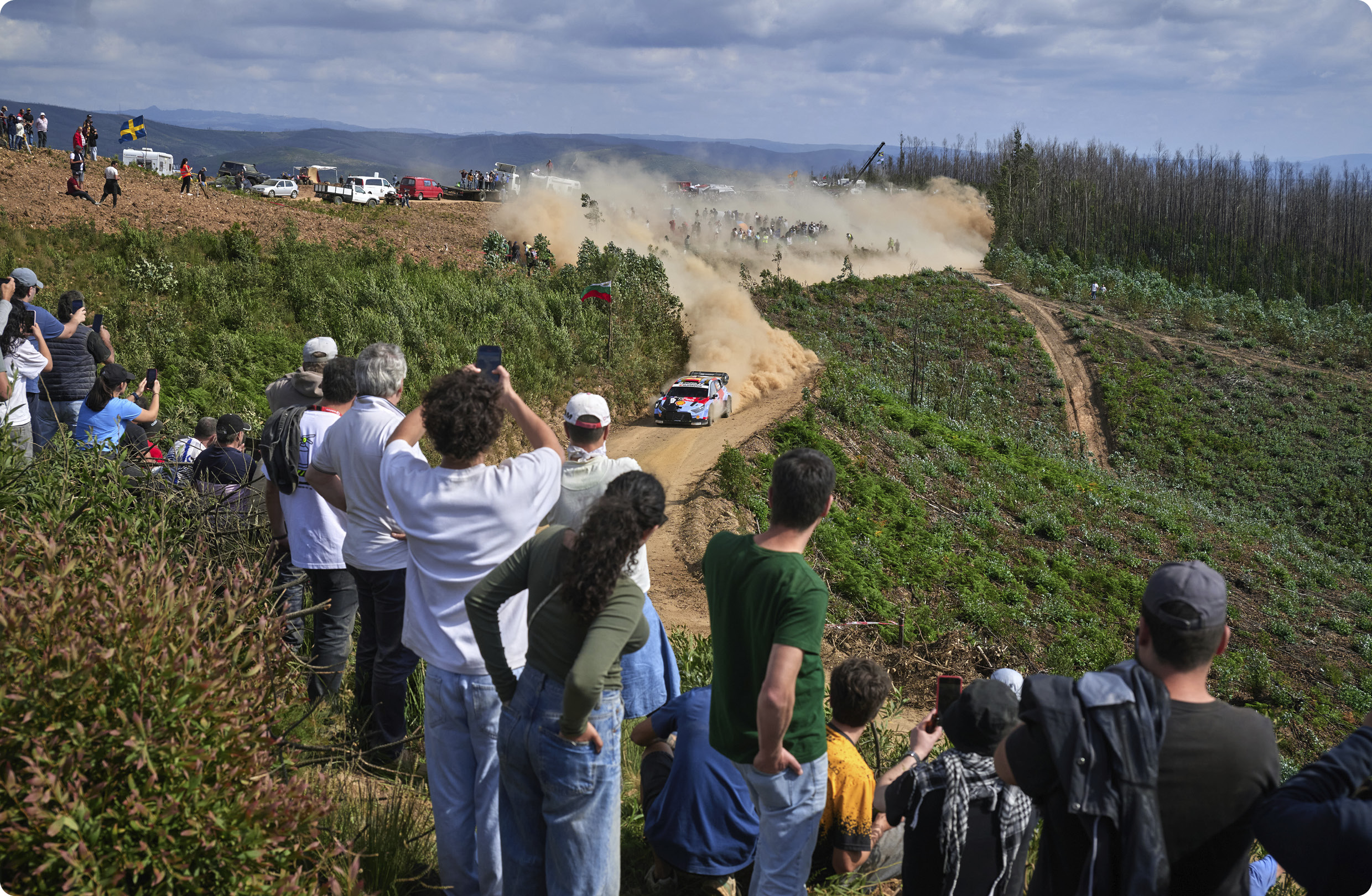
Friday, May 8 ran a leaner itinerary: seven stages totaling 96.22 km. Last year’s Portugal Friday was bigger—10 stages with two service breaks—while this year trimmed it down to a single midday service, reflecting the broader WRC push toward tighter schedules as driver rest-time rules get stricter. The forecast stayed unsettled: heavy cloud cover, with intermittent rain and the threat of fog.
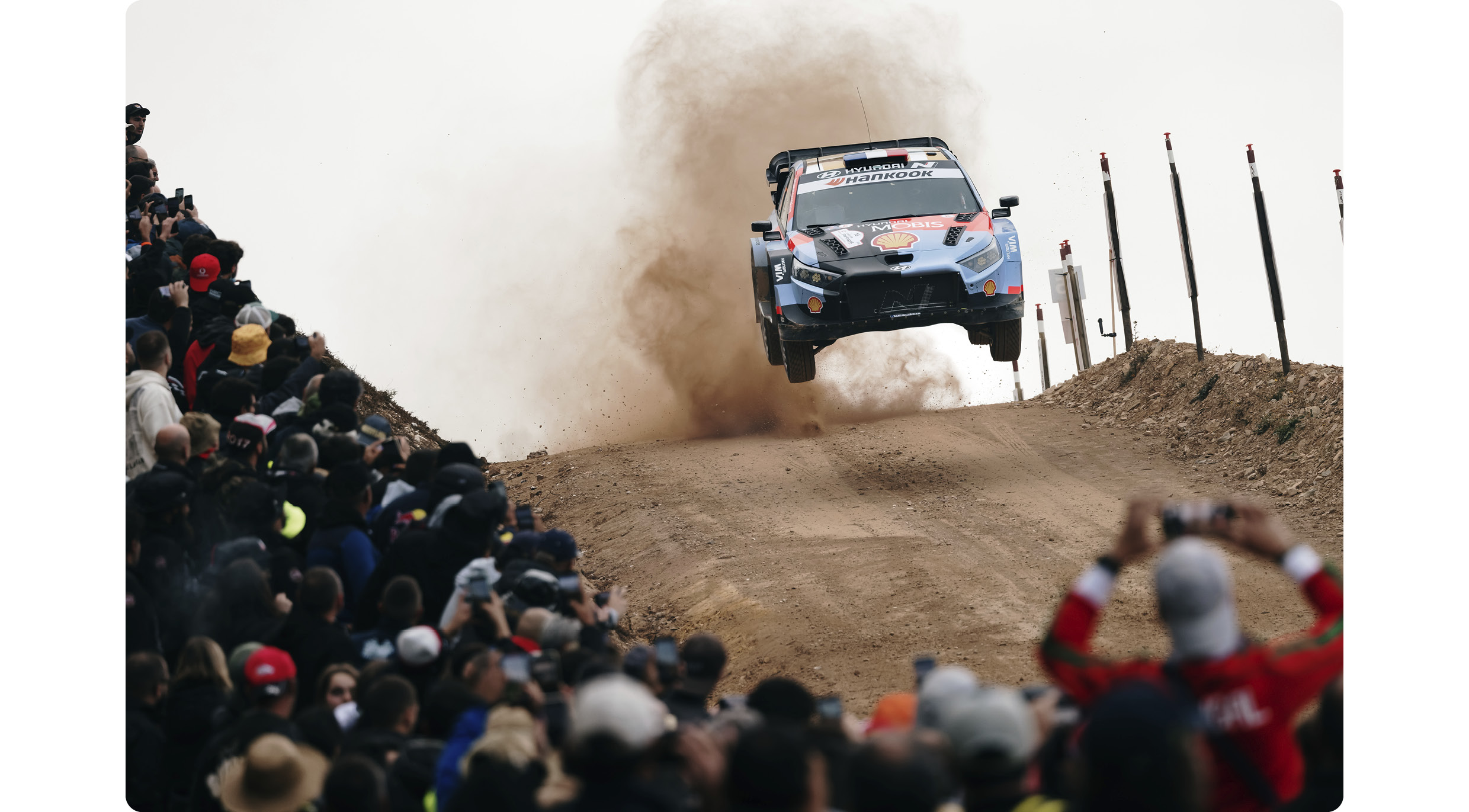
SS4 Mortágua opened the day on the same layout as last year—flat and fast early, then more technical after a narrow bridge, and finishing with a fan-facing arena section, a jump, and a hairpin. Pajari went fastest, while Fourmaux—second-quickest—jumped back past Solberg to reclaim the overall lead. Neuville’s pace lagged early, and he slid to sixth.
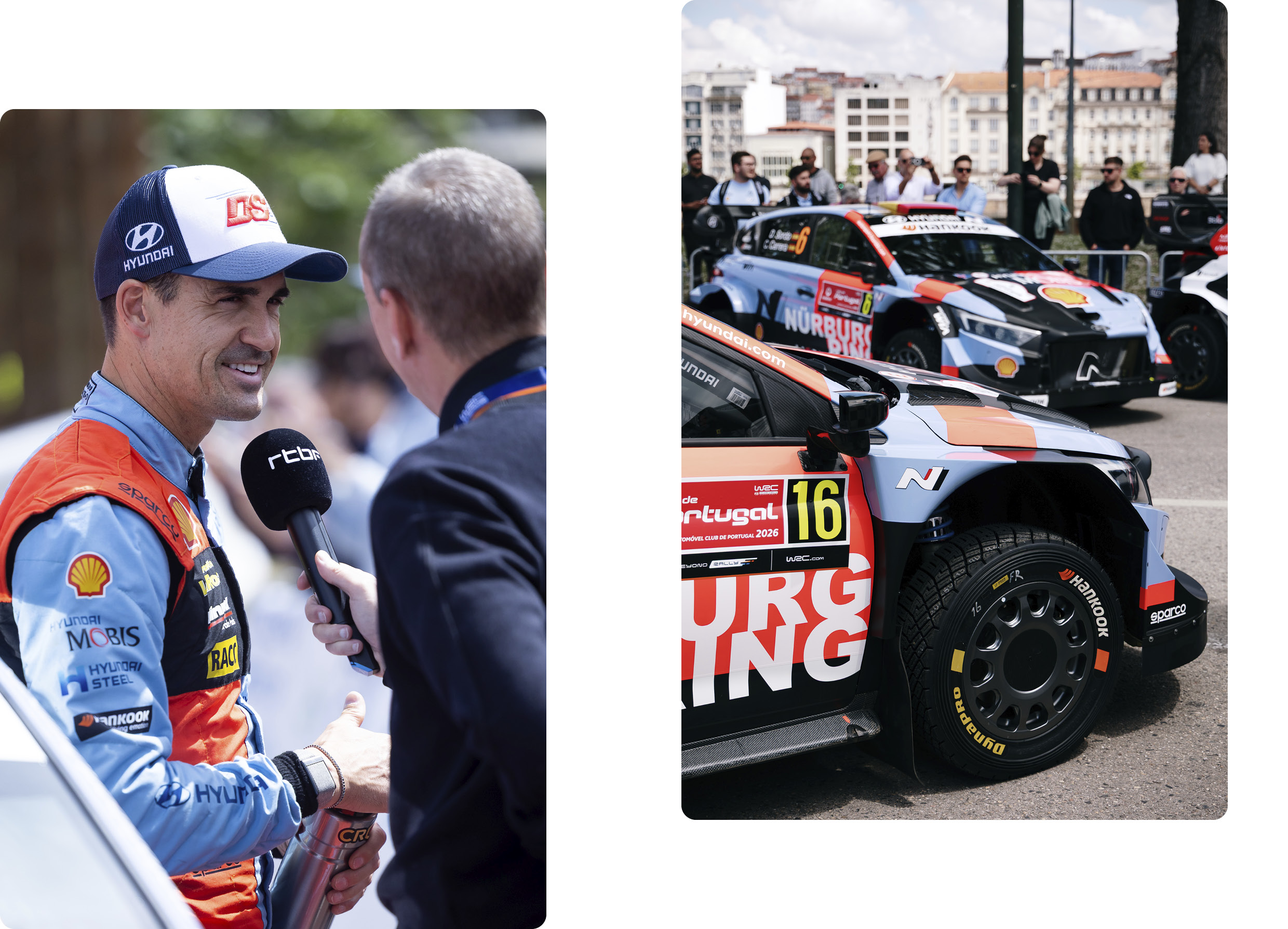
Sordo, meanwhile, was livid about the tire-selection rule—having to choose the next day’s tires the night before. He didn’t hold back: “We did a mistake yesterday, we put hard tires instead of soft. Anyway, the guys who made the rules to set the tires the day before - it's completely mad. No explanation. In F1 they don't put the tires two days before! There's no point in doing this. We want to do a good spectacle. We need all the confidence to the meteo guy. This is not rally, just strategy. We want to push and make people happy with pushing using the right tire.”
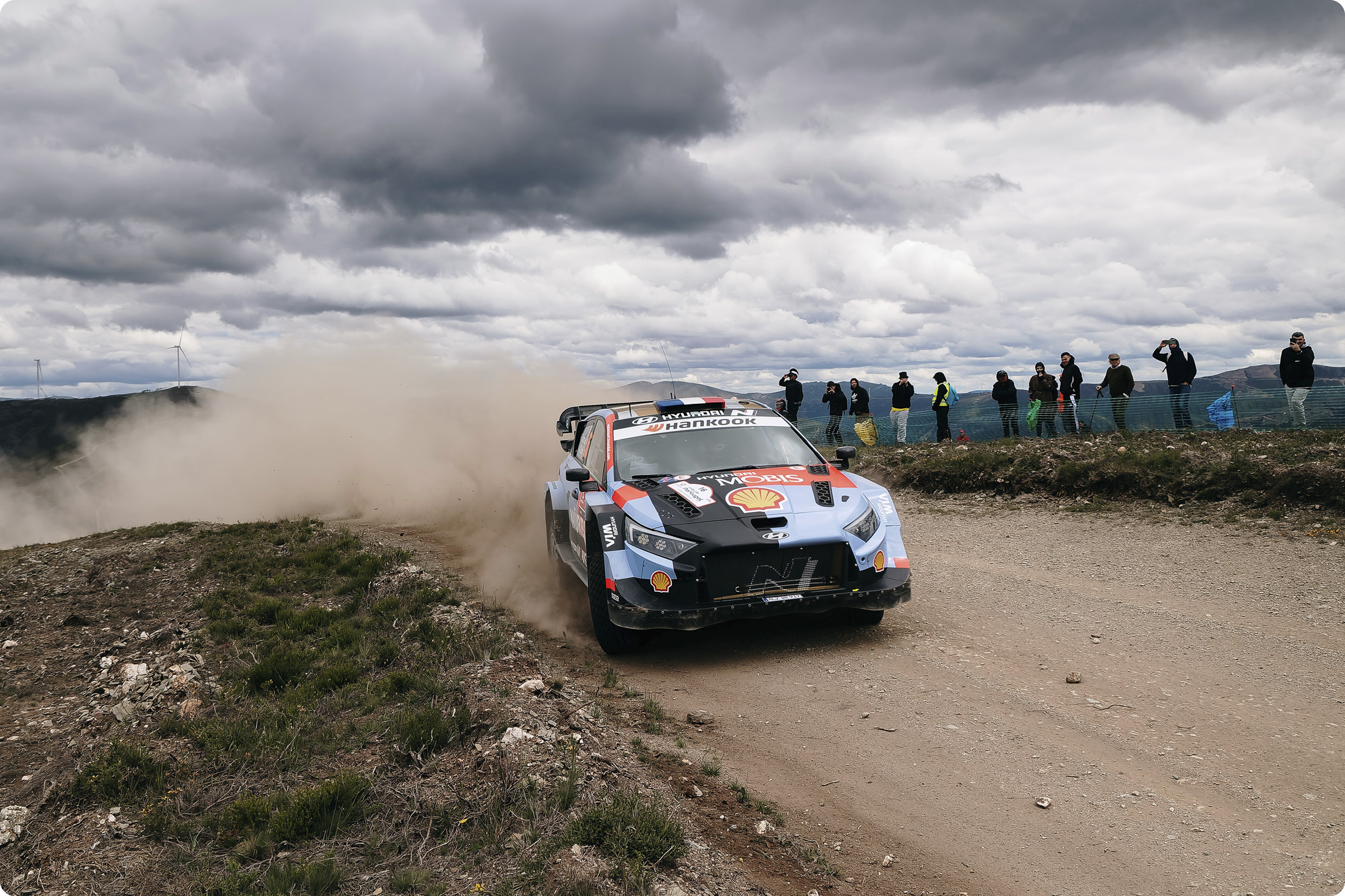
SS5 Arganil is one of rallying’s iconic names—back in the Group B era, it was once run as a monster stage over 50 km long. This year it ran in reverse for the first time since the rally returned north in 2015, and organizers ad-ded 4.62 km to the back half, bringing total distance to 18.62 km.
Pajari went fastest again with Fourmaux right behind, keeping Fourmaux at the top overall. Fourmaux said: “It is an amazing stage. I prefer it as the downhill is faster. I like to discover new stages and even in reverse it feels new. It is very positive. We know we have the pace on gravel.” Neuville edged past Evans and climbed to fifth overall.
Sordo ran wide with tire-related struggles and lost significant time. Video: WRC (https://www.wrc.com)
Still fighting on hard tires, Sordo ran wide on SS5—exactly the kind of moment he’d warned about. Softs build temperature quickly and give you early bite; hards are built for durability and consistency, but they can feel numb until they’re properly in the window. On gravel—where the limit is already moving around—being out of that window can push you wide before you even realize it.
Portugal’s narrow, technical sections kept punishing drivers all day. Video: WRC (https://www.wrc.com)
SS6 Lousã revived a stage once known as “Candosa” through the 1990s. It starts on asphalt, then immediately funnels into a narrow, rough road. After a string of hairpins it briefly opens up, then tightens again—and from about the 5 km mark to the finish it’s a harsh forest section that never really lets you relax.
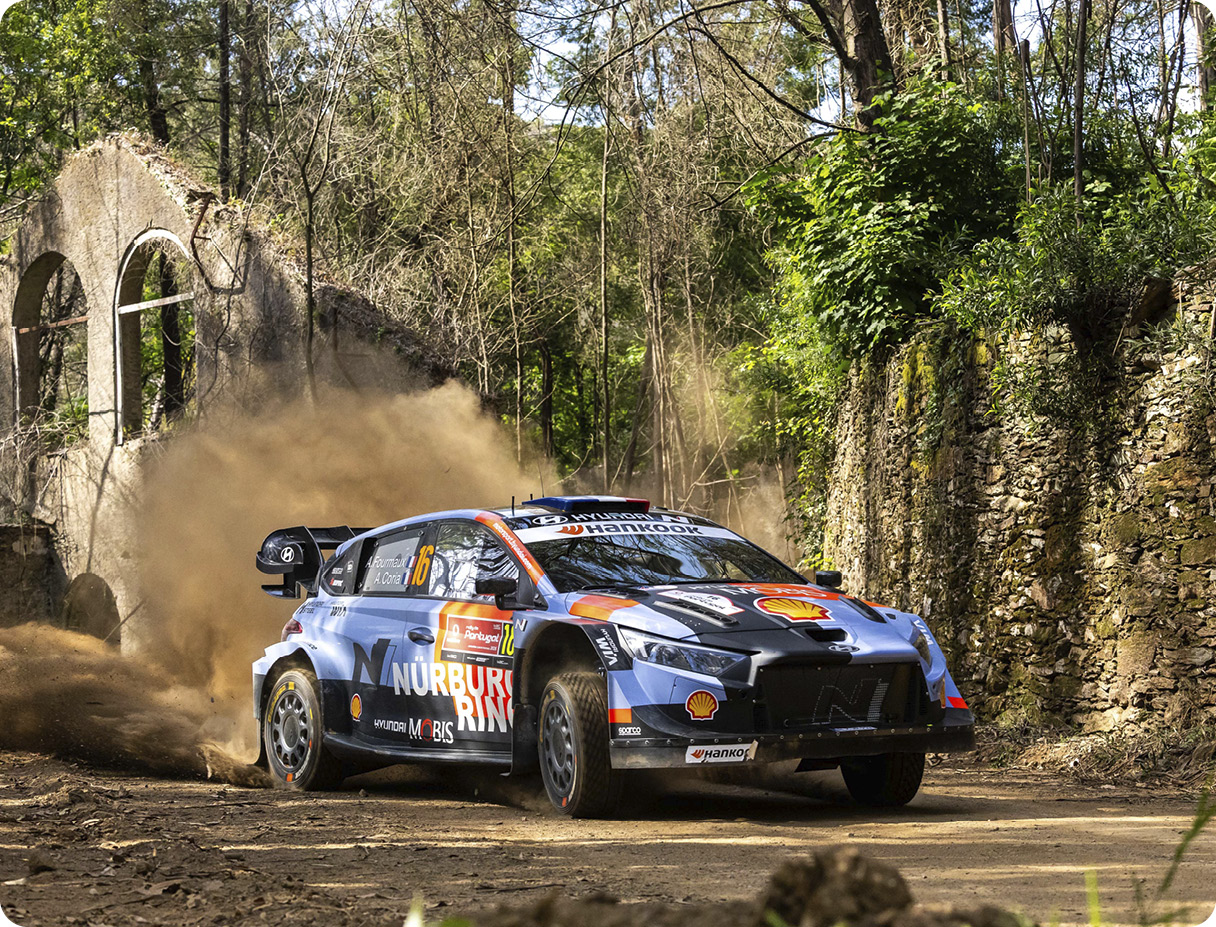
This is where Neuville finally struck—fastest on the stage—and sud-denly he was within eight seconds of Ogier in the overall fight for third. Neuville said: “It is good. It was good stage. I'm trying and changing the car always a little bit and maybe we will go in the right direction. It will be a tricky afternoon. I think there might be a risk of rain. We will have to make a good tire choice.”
After midday service, SS7 (the second run of Arganil) went to Ogier, who cut Fourmaux’s lead to four seconds. Neuville went second-fastest and climbed into third overall. McErlean took a delay penalty after power steering issues and an engine that wouldn’t restart. Evans received an adjusted time after being obstructed by an unauthorized vehicle that jumped onto the stage.
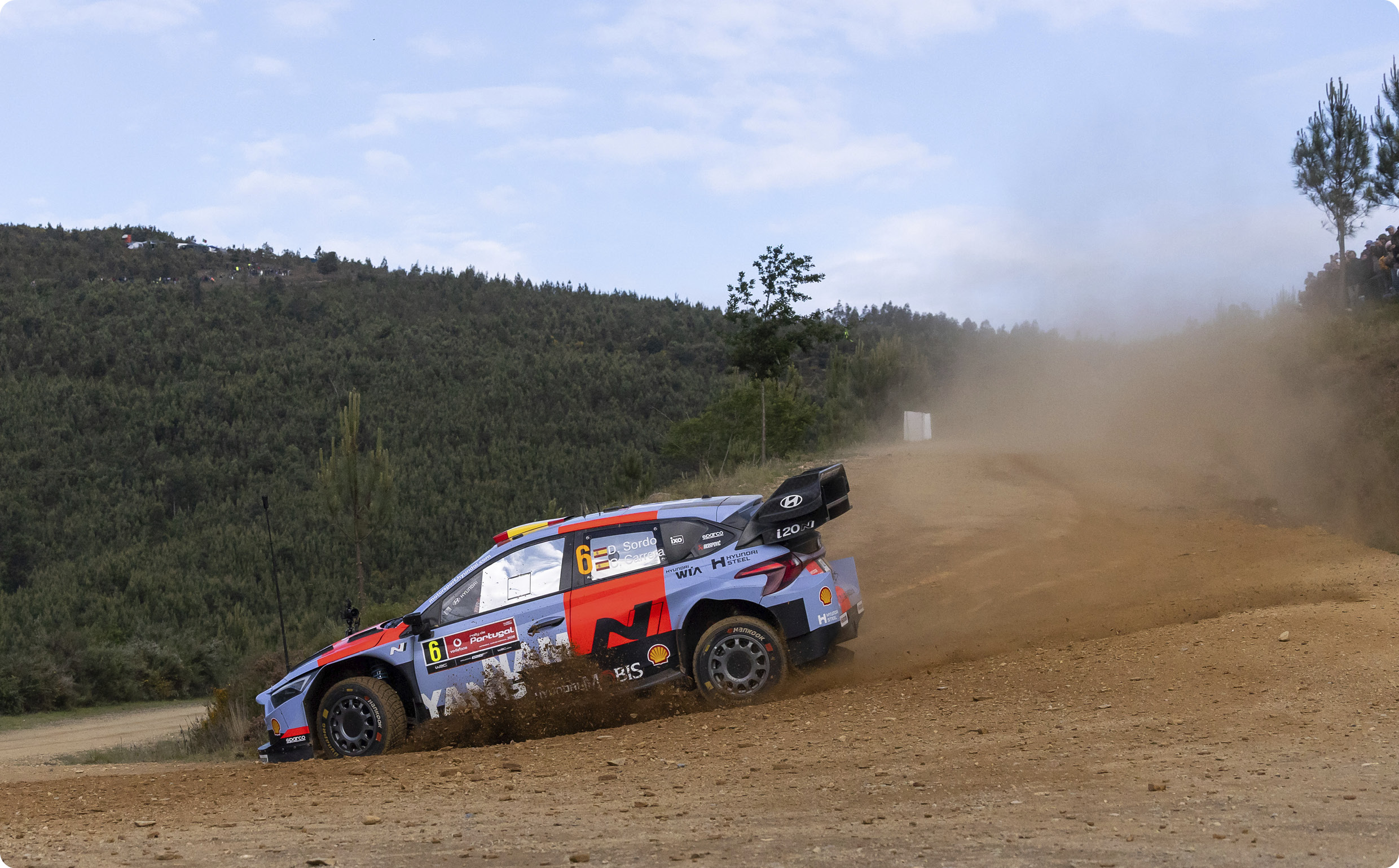
Fourmaux went off and suffered two punctures, dropping positions. Video: WRC (https://www.wrc.com)
SS8 moved to Góis, a stage not run in the morning loop. Slightly longer than last year and climbing to 847 meters above sea level, it’s slick, fine-soil gravel that can feel like it’s floating under the tires. Ogier made it two straight stage wins and took the overall lead. Fourmaux went off in the same spot as Solberg—and it got expensive: two punctures and a drop to sixth overall. Neuville moved up to second.
On SS9 (the second run of Lousã), Ogier was fastest again with Neuville right behind—only five seconds separating them overall. And the rally was chewing up equipment everywhere: Fourmaux had brake issues that made it hard to slow properly, while Armstrong suffered a hydraulic failure that killed steering assist—forcing him to hang on with both hands as his co-driver pulled the handbrake for him.
Neuville went fastest on SS10 and cut the gap dramatically. Video: WRC (https://www.wrc.com)
SS10 Mortágua closed Friday, and Neuville ended the day with a stage win—cutting Ogier’s lead to just 3.7 seconds. After Croatia’s shock retirement and a rough stretch of results, it was the first time all weekend he looked like he had real momentum again. “I was trying but it is not easy in there. I got kicked out of the line at the beginning. I tried to slow it down to be more efficient. At least the performance is there. I think we did ok.”
Pajari, Solberg, and Evans followed behind, with Fourmaux narrowly holding sixth overall. Sordo sat eighth. In WRC2, Jan Solans led, followed by Roope Korhonen and Yohan Rossel.
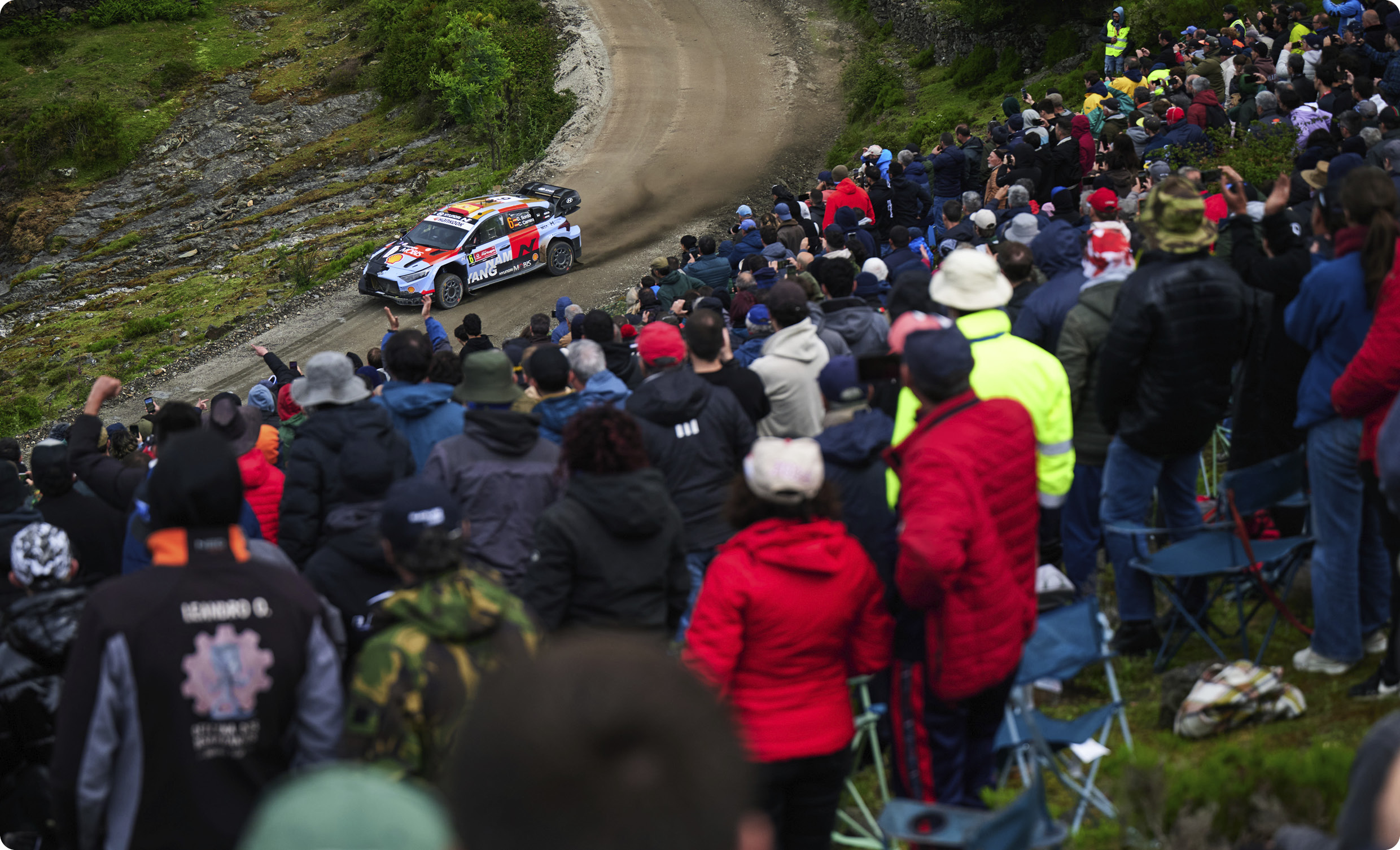
Saturday followed a layout that was largely familiar from last year: four stages in the morning, the same four repeated in the afternoon, and then a long day capped with the Lousada super special on the outskirts of town. It’s a 145.88-km grind with only the midday service to reset the cars, which makes damage limitation and tire management the real currency. Most of the field committed to an all-soft tire plan. Only Fourmaux, Sesks, and McErlean packed a single hard tire into their allotment.
Neuville kept chipping away at the lead, but an engine issue also made life difficult. Video: WRC (https://www.wrc.com)
The day opened with SS11 Felgueiras (8.81 km), a shorter stage that runs around the Santa Quitéria hill roads. It starts with a fast downhill section, then flips into a more technical sequence from about the 6.6 km mark to the finish. The elevation changes are steep, the corners are cambered, and the stage demands precision rather than bravado.
Pajari set the fastest time, but Neuville went second-quickest and slashed Ogier’s lead to just 1.7 seconds—while also surviving a heart-stopping moment when the engine stalled mid-stage. Neuville explained it afterward: “It is ok. We had a good stage but we had a stall. Under braking the engine completely died and the car wouldn't restart so I lost some time.”
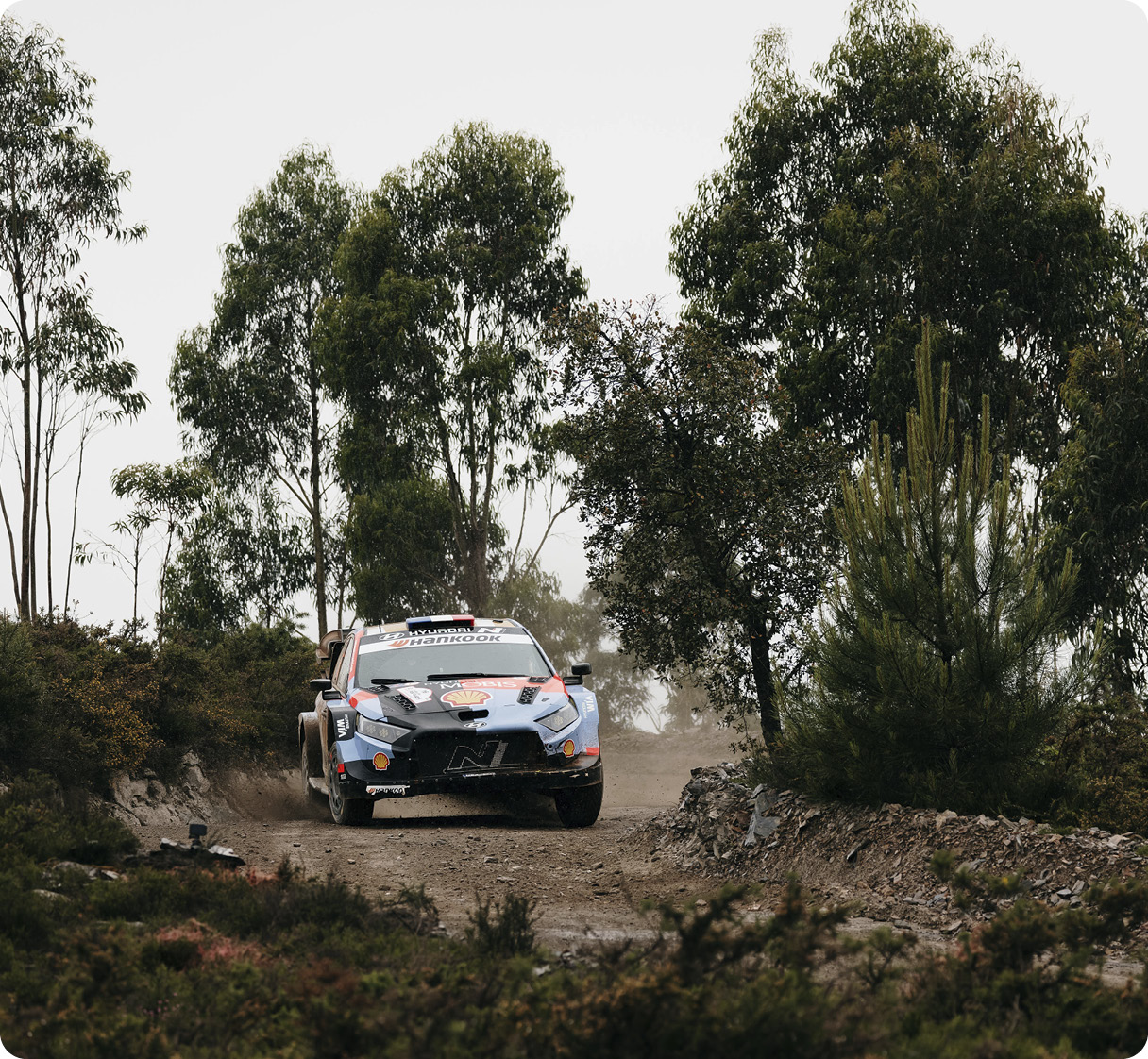
SS12 Cabeceiras de Basto started with an uphill climb, opened onto a broad plateau at the top, and then dropped into a narrow downhill section that turns rough and technical. Most of the surface was dry, but patches of moisture and mud still lingered in places. Fourmaux went fastest here. Neuville finished the stage 3.8 seconds back.
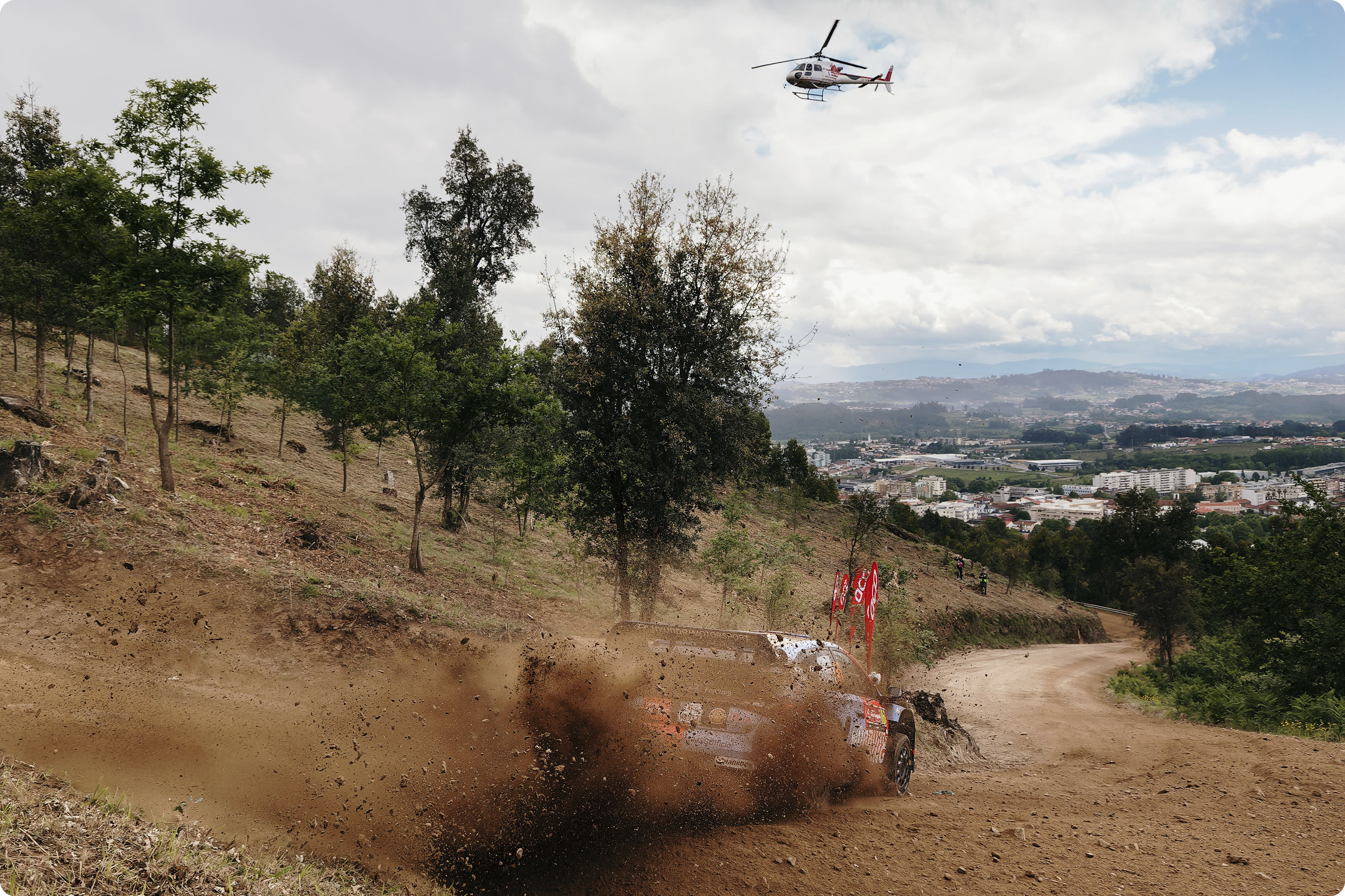
Then came SS13 Amarante (26.24 km), the longest stage of the rally—a true endurance test inside an endurance test. With repeated hairpins followed by high-speed exits, it put pressure on both tire management and brake temperatures. As the stage wore on, the sky darkened, the wind picked up, and rain began to show up late.
Solberg was fastest, and Ogier stretched his gap over Neuville to 8.1 seconds. As grip fell away, Neuville described the struggle: “I was sliding a lot. I couldn't keep the rear in the line. I made a small mistake and lost a bit of time. I was pushing quite hard. We got the rain 6km from the end but it was not much.”
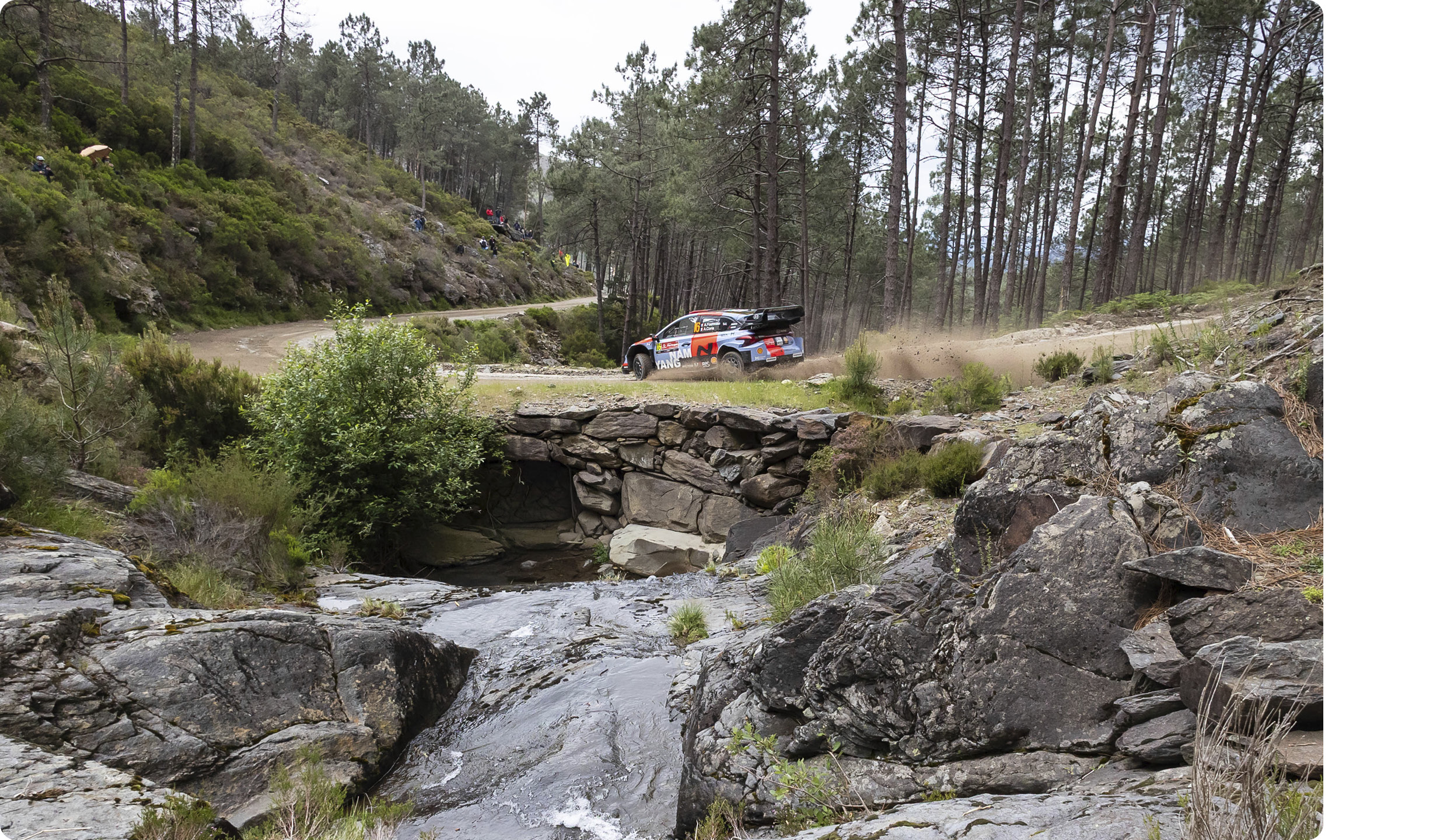
SS14 Paredes (16.9 km) is a stage with multiple personalities—starting on asphalt, then threading into a narrow forest road, transitioning to flatter dirt, and finally turning rough with rock sections. With rain arriving, grip changed constantly and the line became a moving target.
Solberg jumped Ogier and moved into the overall lead. Fourmaux logged the fourth-fastest time, Neuville was sixth, and Sordo was deep in trouble—33 seconds off the lead pace. After the stage, Sordo said: “I think I have a problem with the transmission. The stage was difficult to get the grip but it was not soo so bad. Some corners are really slippery but we did have some grip.”
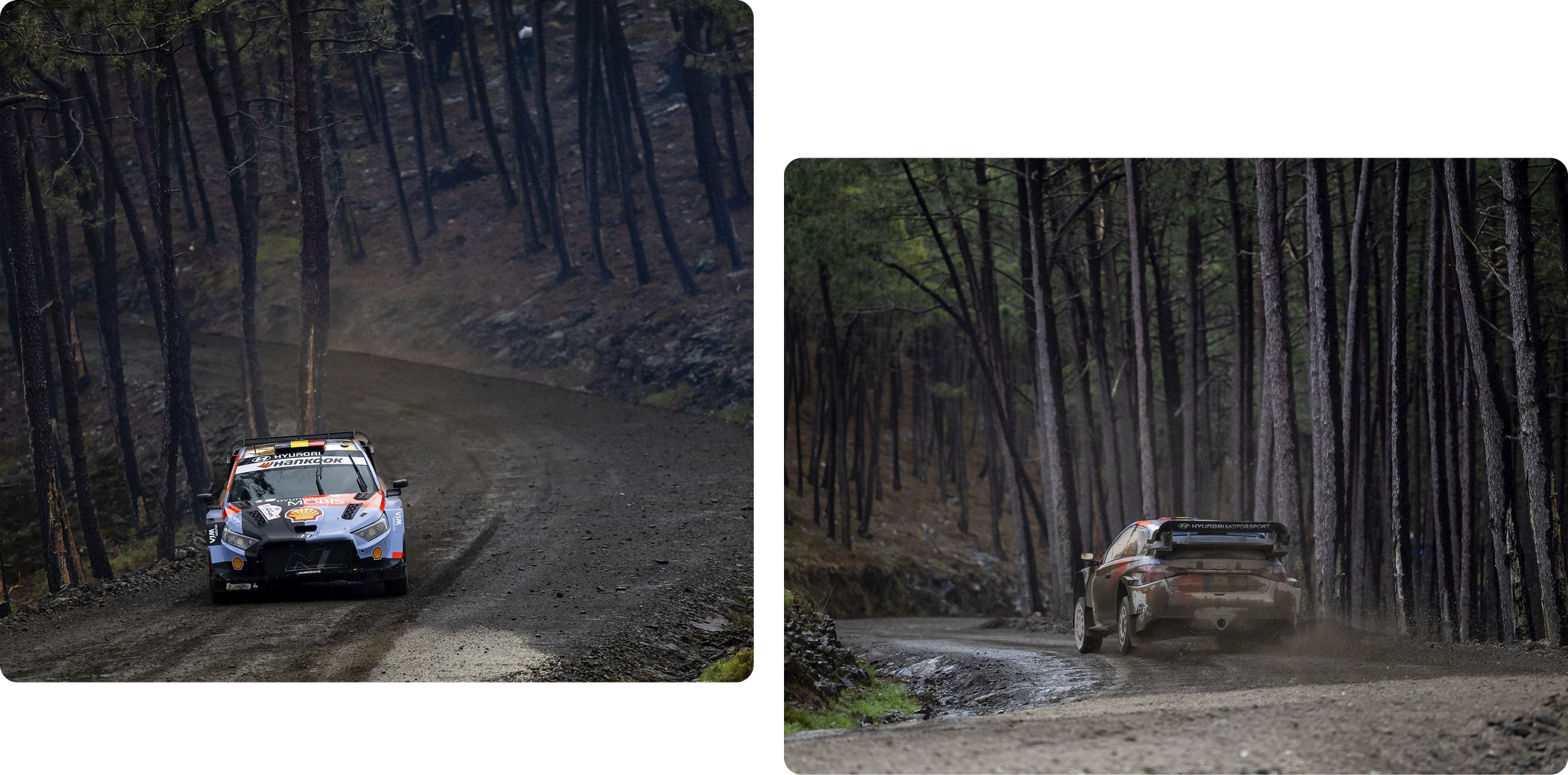
After midday service, the Rally1 field overwhelmingly went with five soft tires. Heavy rain hammered the service park, but eased as the afternoon loop started. On SS15 Felgueiras, Ogier took the overall lead back. Neuville sat third overall, but crucially he was still only 5.5 seconds off the front. Armstrong, meanwhile, suffered an early-stage rollover and lost significant time.
SS16 Cabeceiras de Basto finished on wet road, and Fourmaux went fastest again with Pajari and Neuville following. Neuville lost a bit of time with a half-spin but moved up to second overall. Solberg dropped to fifth after a puncture. Fourmaux explained his approach: “The approach was to give everything to get some time back as we are not so far from the lead. I was expecting the rain coming for the others. The weather is really playing with us today. I tried.”
Heavy rain turned sections of the road slick and unpredictable. Video: WRC (https://www.wrc.com)
SS17 Amarante was even worse—standing water in multiple places turned the stage into a skating rink. Ogier responded with a commanding run and another fastest time, stretching his gap over Neuville to 16 seconds. Neuville acknowledged the reality: “That is a lot (Ogier being 10 sec faster). I knew he was pushing in there as it is probably the deciding stage of the day. It is not too bad. I think we have done a good stage.” McErlean had two big scares, needed spectator help to get going again, and still limped to the finish—roughly three minutes down.
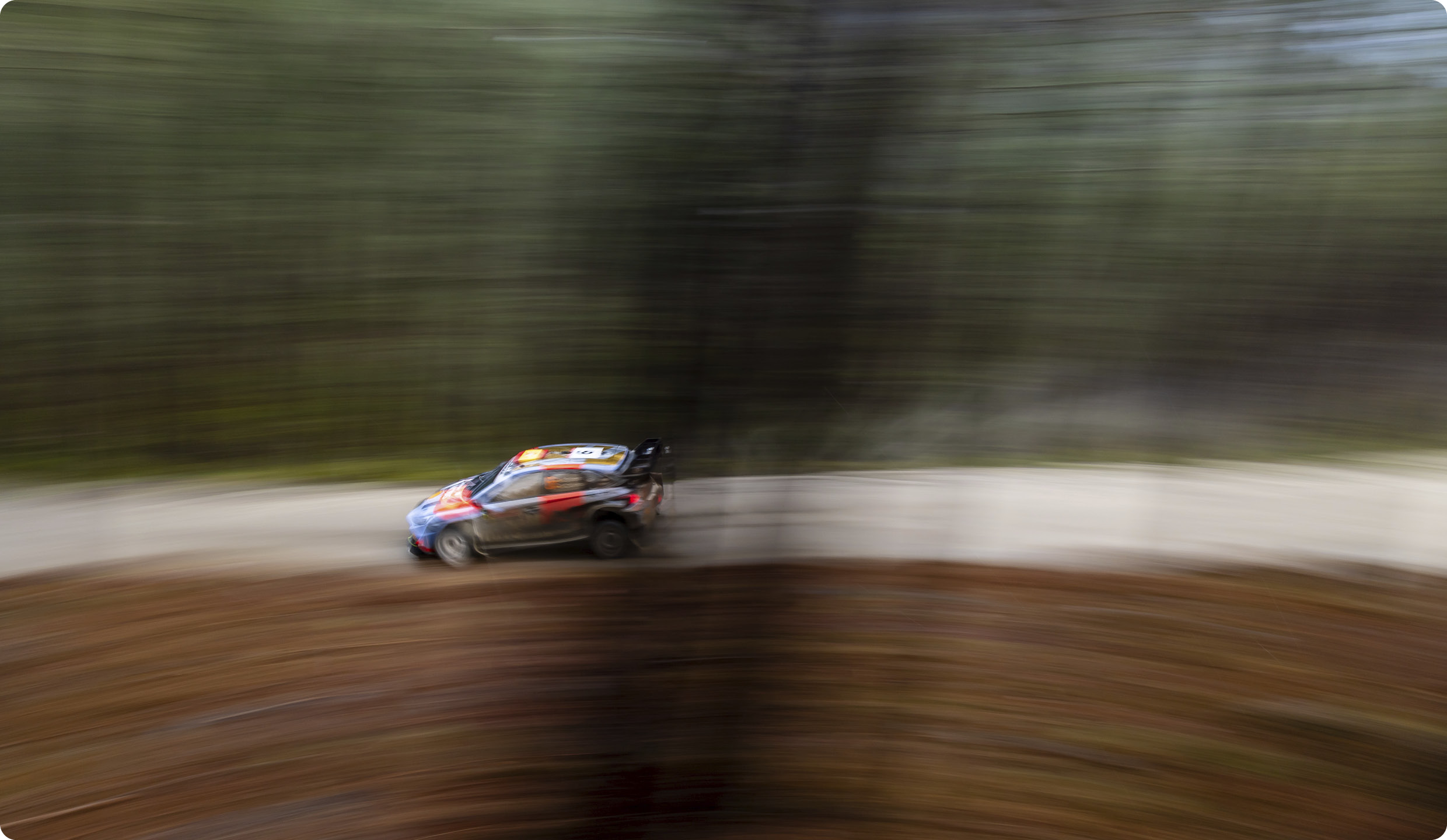
SS18 Paredes got even harsher in the downpour, with deep puddles late in the stage forcing drivers to hit standing water at speed. Ogier went fastest again and locked down the lead. Neuville held onto second under pressure from Pajari. Neuville said: “It was good. I was on it. I honestly cannot do more. I made a small mistake with the set up but we had to try. We did something on the front and it didn't work.”
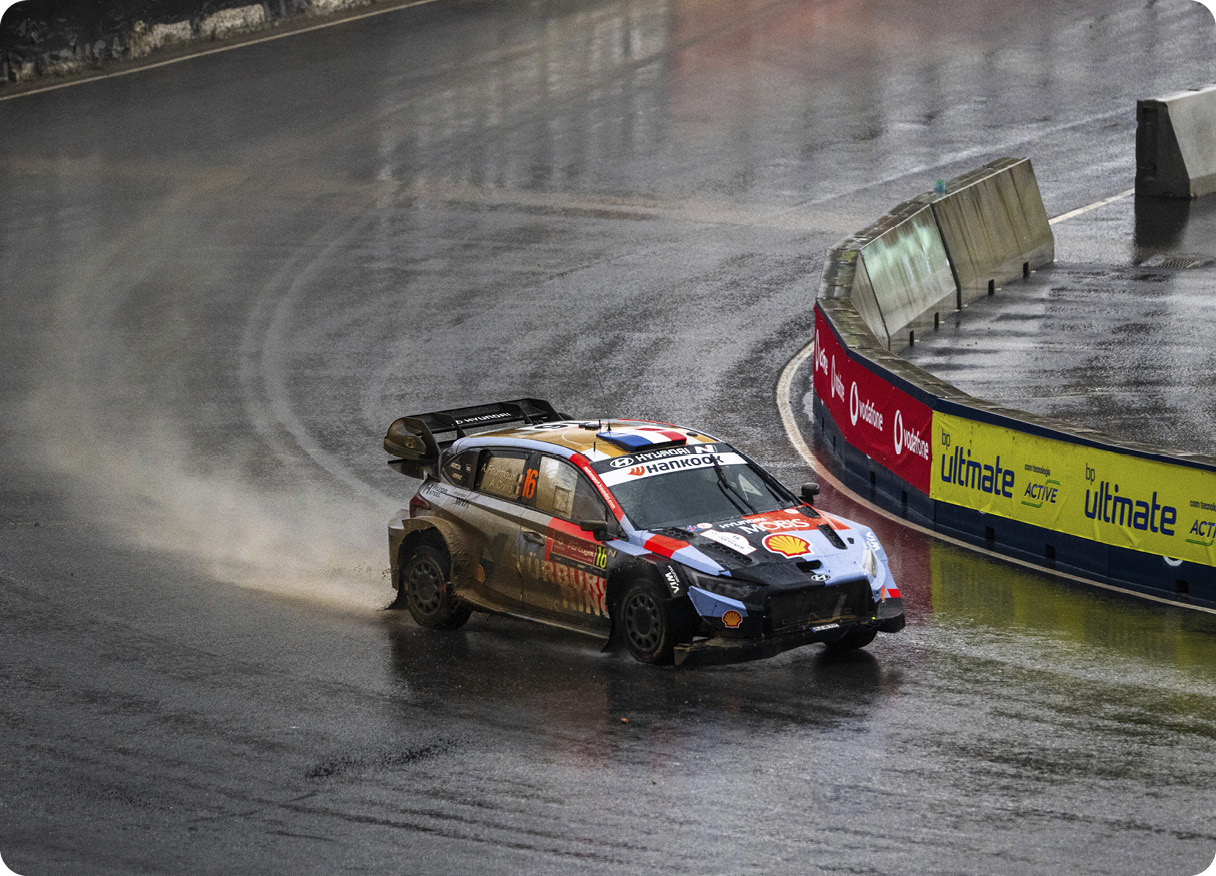
The day ended with SSS19 Lousada. Solberg set the fastest time, but Ogier carried the overall lead into Saturday night. Neuville followed 21.9 seconds back, with Pajari close enough to keep it honest—just 3.9 seconds behind Neuville. Fourmaux sat sixth overall, 11 seconds clear of Katsuta. Sordo remained eighth, well off Katsuta’s pace.
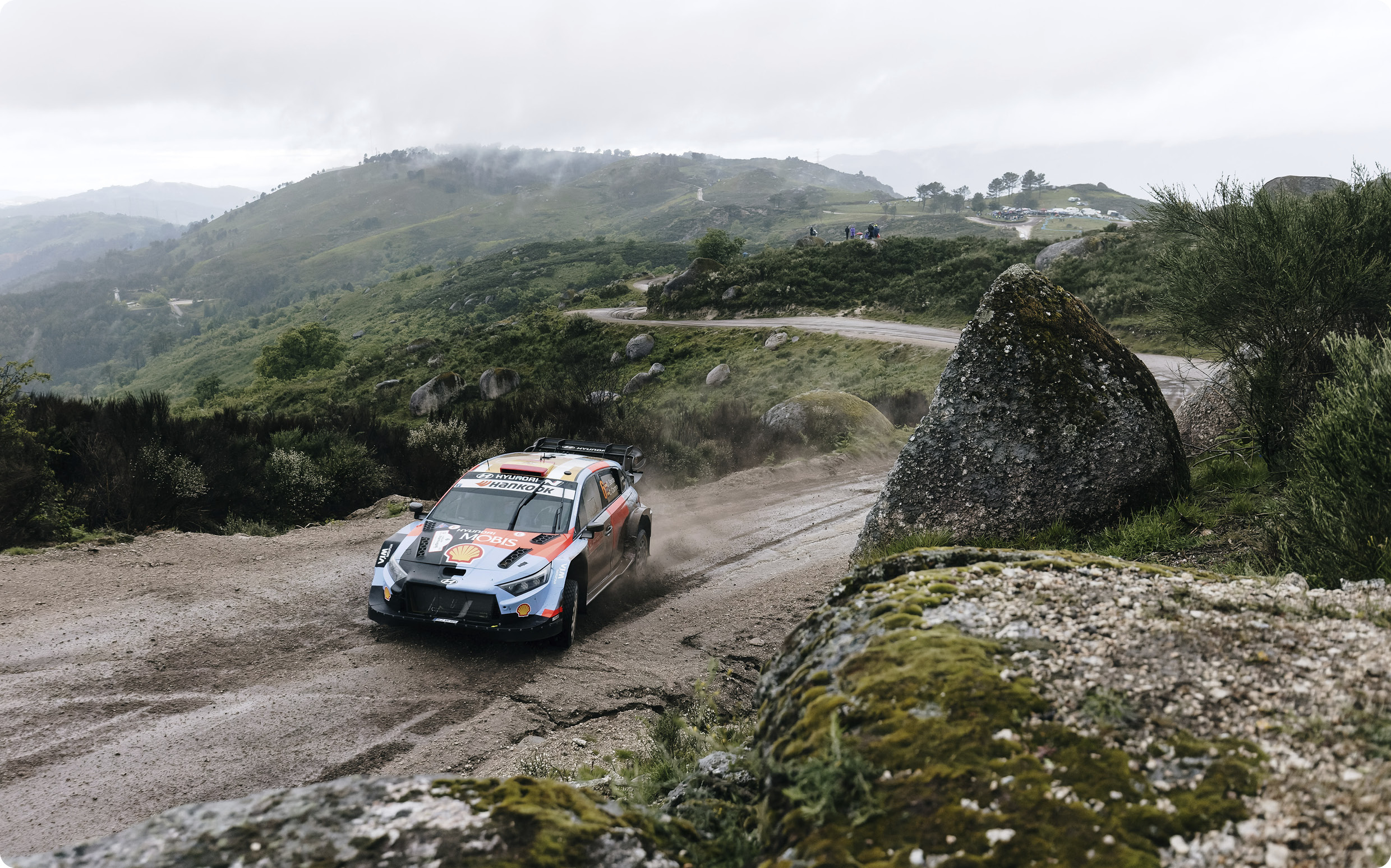
Sunday, May 10 was a short day by distance, but not by pressure: two stages—Vieira do Minho and Fafe—run twice for SS20 through SS23, totaling 65.56 km. Everyone committed to hard tires only, while Sesks loaded two spare tires as insurance.
The final day mixed dust, fog, and rain-fed mud—raising the difficulty level again. Video: WRC (https://www.wrc.com)
SS20 Vieira do Minho—run on Sunday this year after being a Saturday stage last year—climbs to around 1,100 meters. When fog sets in, visibility collapses; add dust and it becomes a full sensory overload. Rain before the start left muddy patches on the road.
Neuville went third-fastest, trimming Ogier’s lead while also pushing Pajari back—opening the gap to 14.9 seconds. But the car was trying to complicate the story: “I don't know if it is the rain or the conditions. We were fighting through the stage honestly. We stalled the engine four or five times under braking. I lost the trust and I couldn't brake late any more. We need to bring it home that is the target.” Pajari also fought a car issue of his own.
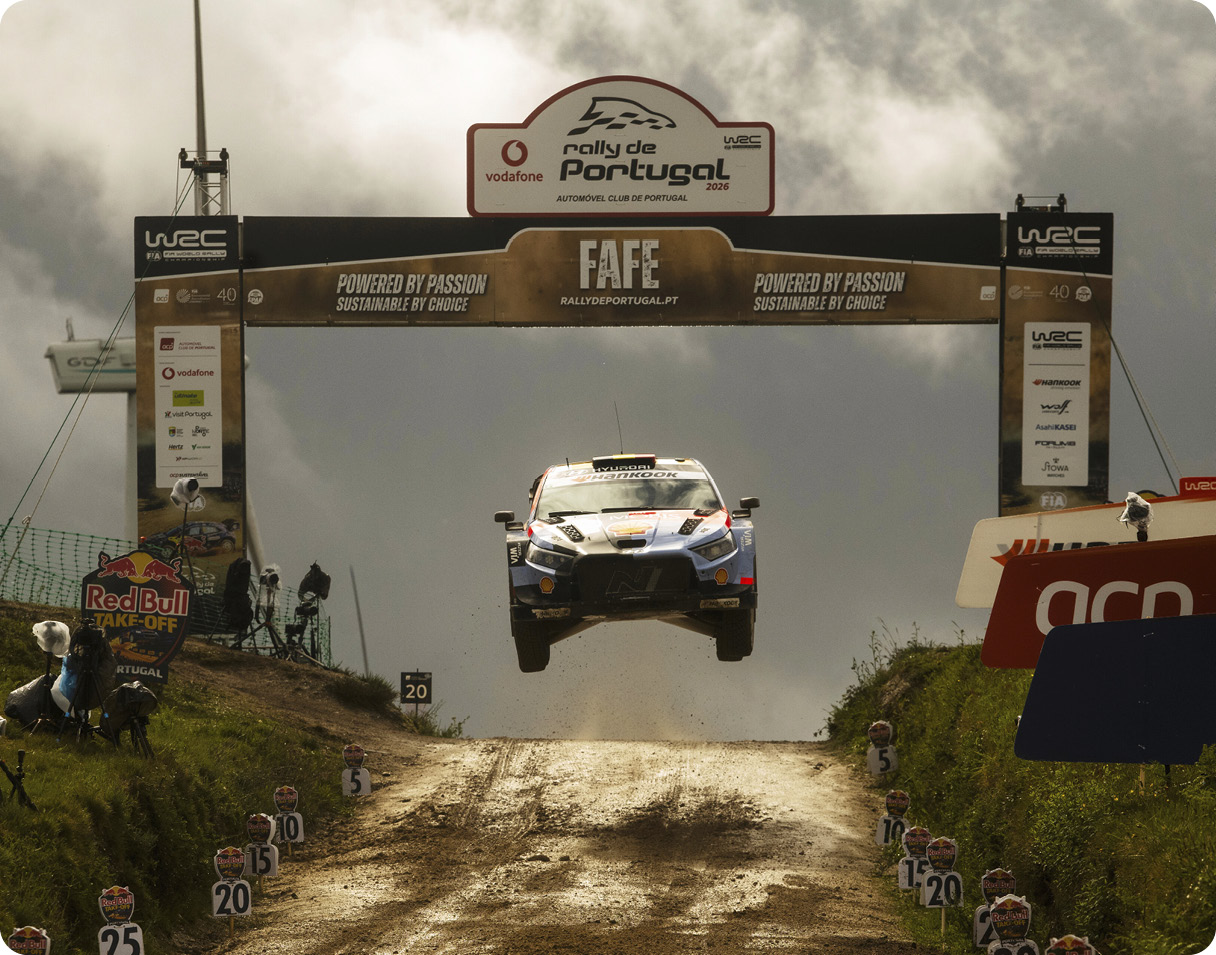
Fafe is Portugal’s postcard stage—the place everybody circles for one reason: the huge “Salto da Pedra Sentada” jump. At 11.18 km it’s short, but the crowd presence is massive, with tens of thousands packing in just to watch the cars launch.
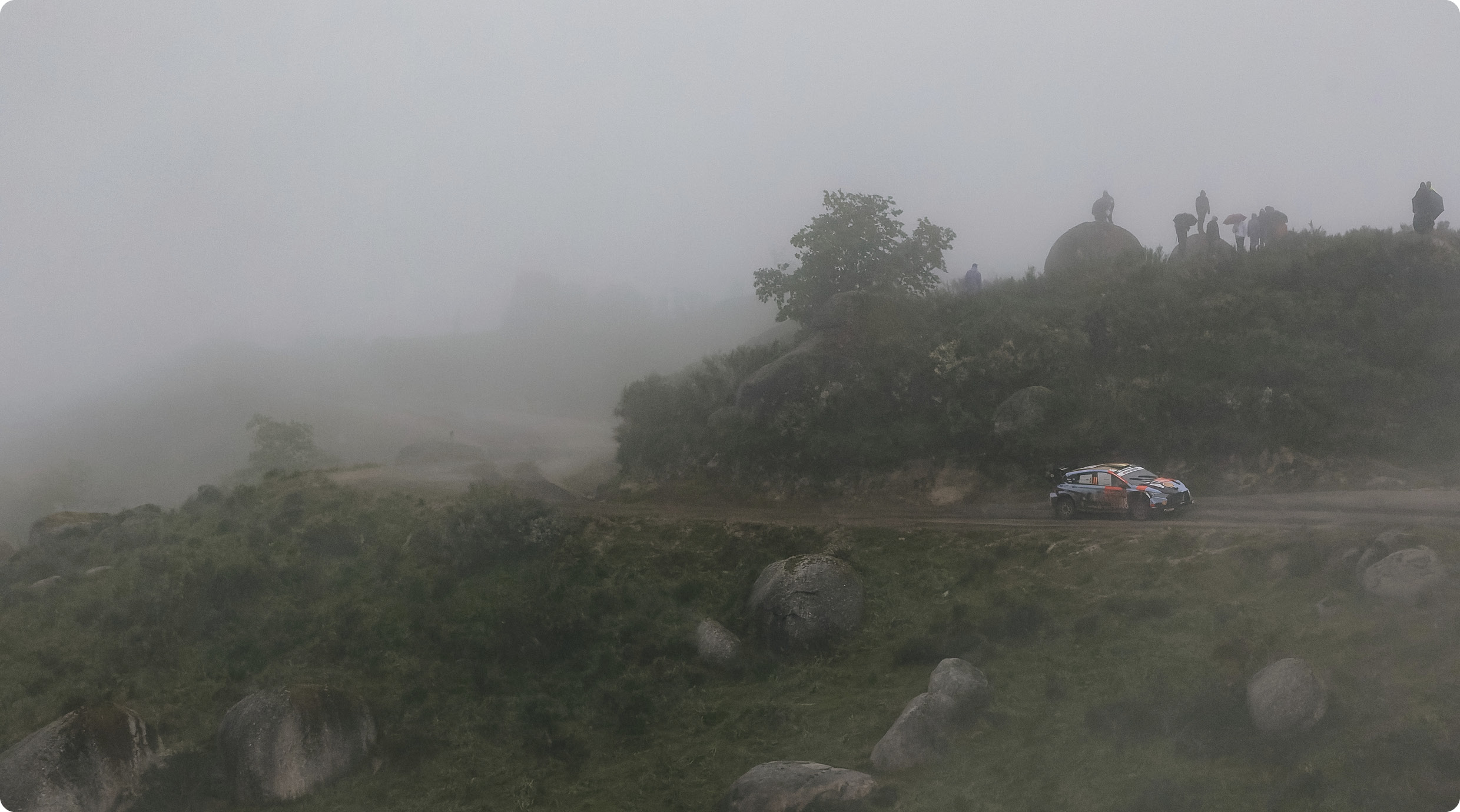
SS21—essentially a Power Stage rehearsal—threw a curveball when torrential rain hit. McErlean went fastest for M-Sport Ford. Up front, Ogier stretched his lead over Neuville back out to 17.3 seconds. Fourmaux, running sixth overall, was under heat from Katsuta—only six seconds behind.
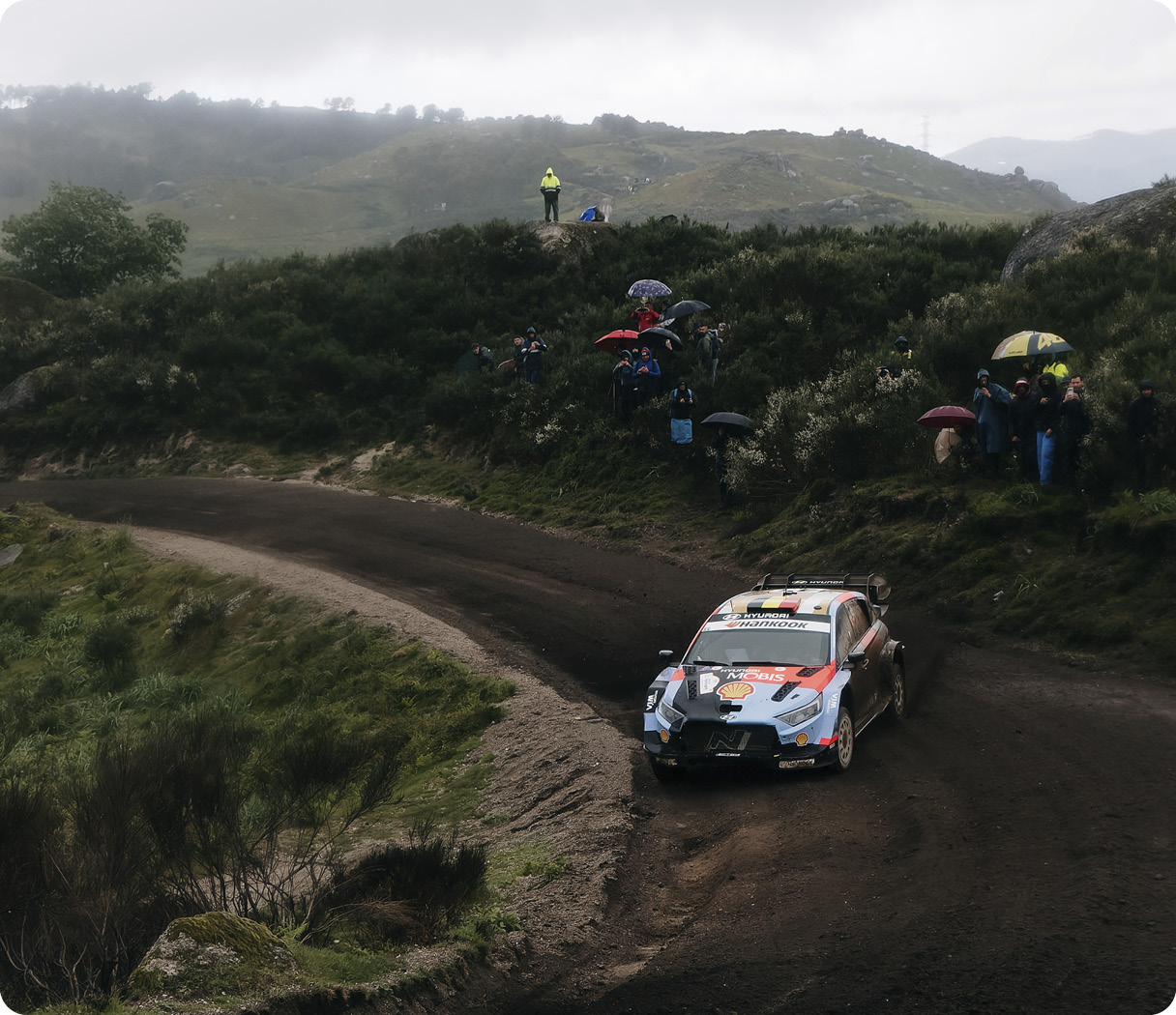
Then SS22—the second run of Vieira do Minho—blew the rally open. Toyota’s day turned into a nightmare as both Pajari and Ogier lost massive time to punctures. Neuville sud-denly inherited the overall lead, and Solberg and Evans moved into the podium picture.
Neuville stayed disciplined. “Nothing is done yet. So far we have done the job, now we must finish. We know how not to do it, now we should do it. It was raining for me and there was very low grip. I must be pleased with it.” Fourmaux set the stage fastest time, though he still trailed Evans by 55 seconds.
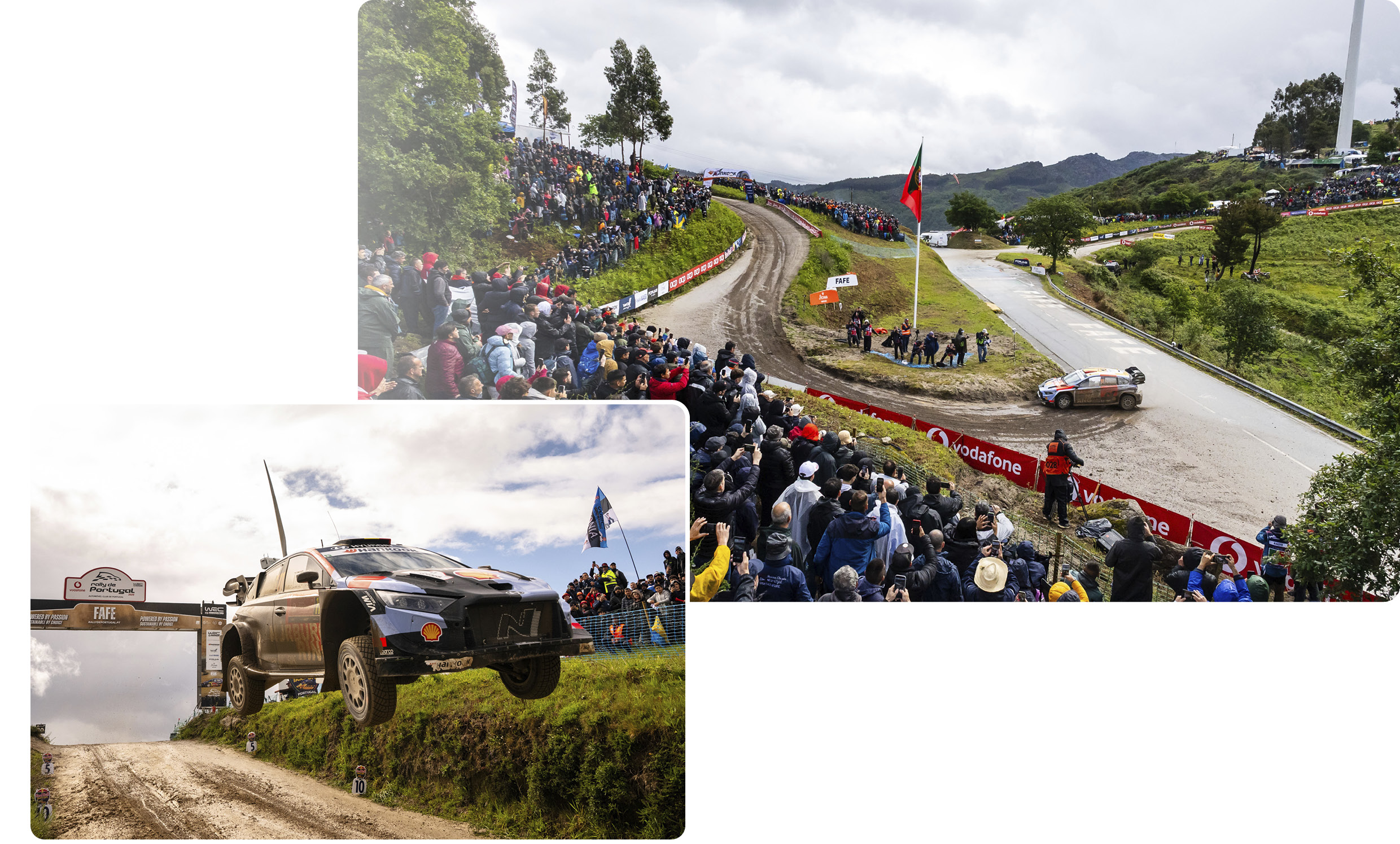
Neuville kept his head and finished the Power Stage third, defending the lead. Video: WRC (https://www.wrc.com)
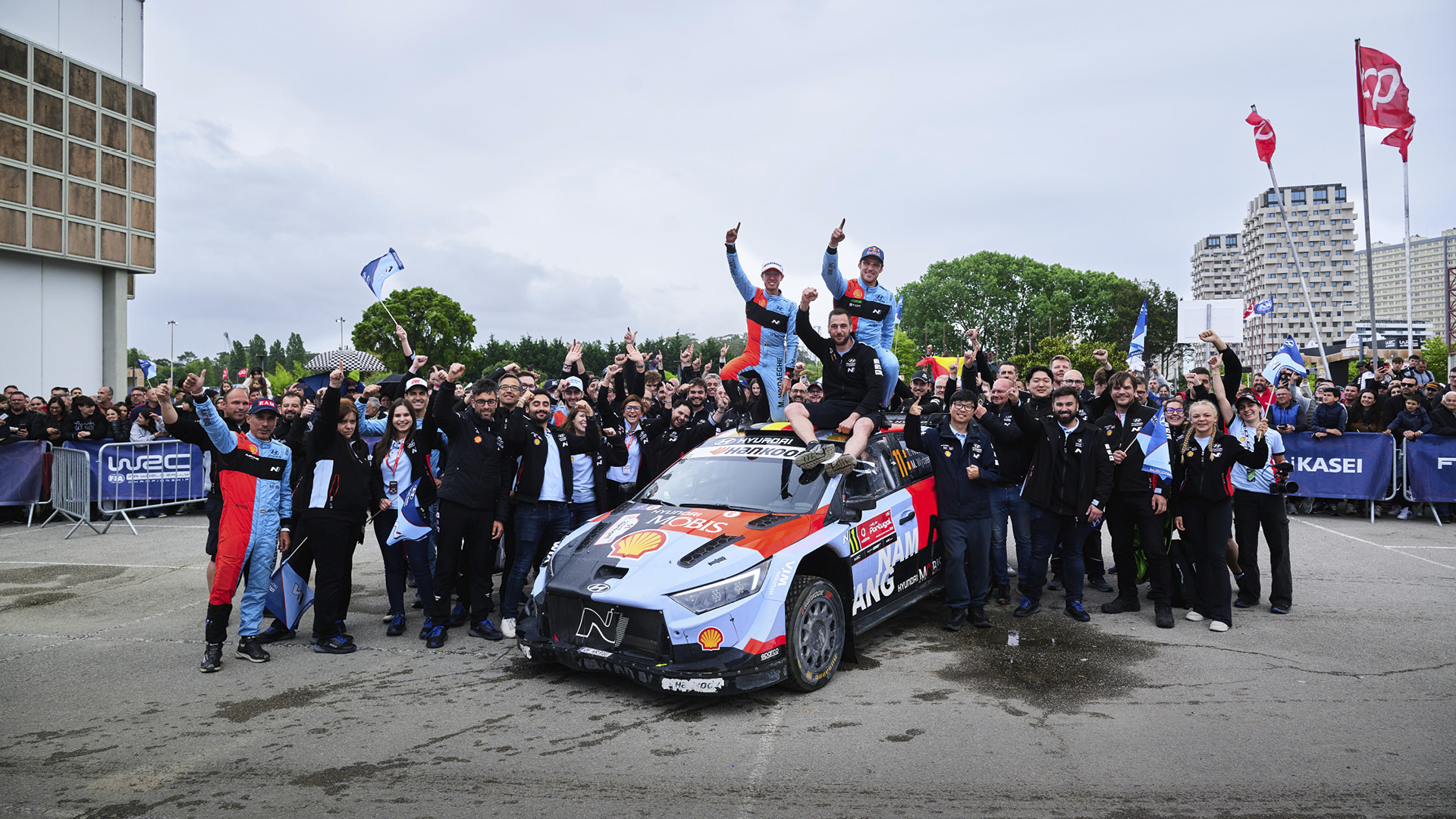
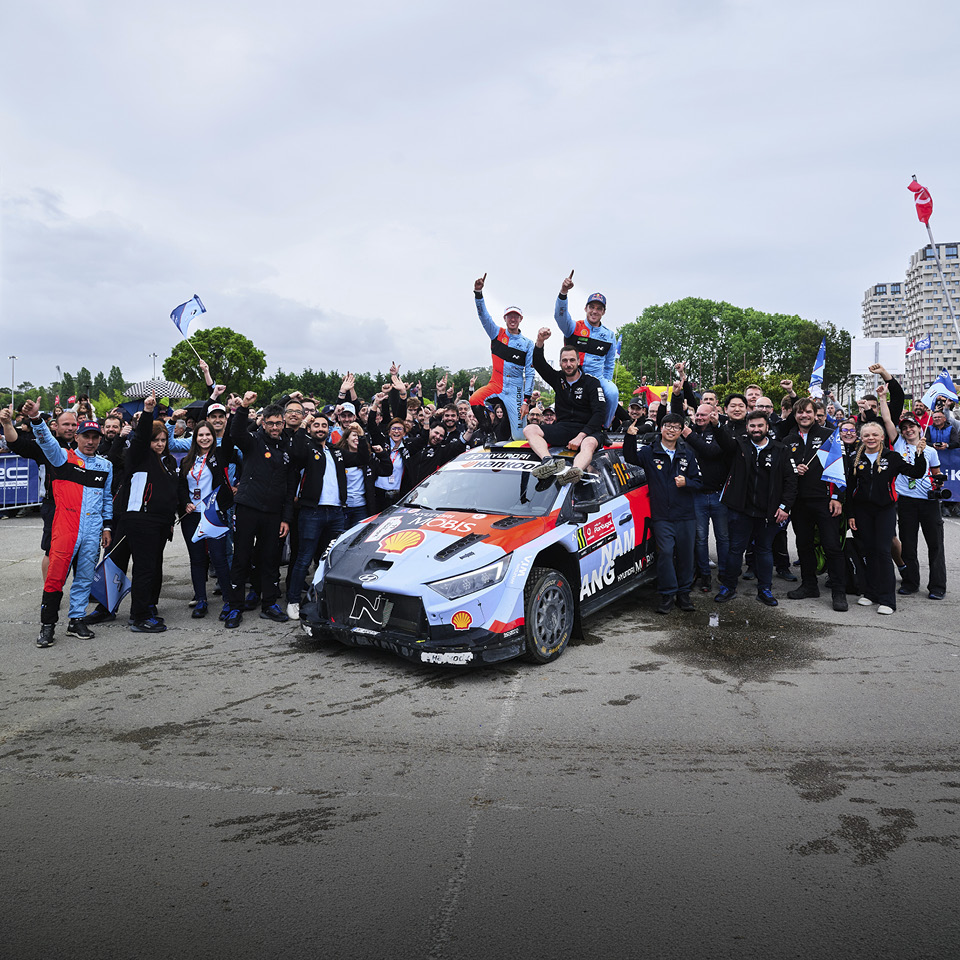
That left only SS23 Fafe—the final stage and the Power Stage. Heavy clouds built, wind picked up, and rain returned near the finish area. Fourmaux went fastest again, and Neuville did exactly what he needed: brought it home for his first win of the season—and Hyundai’s first victory of 2026.
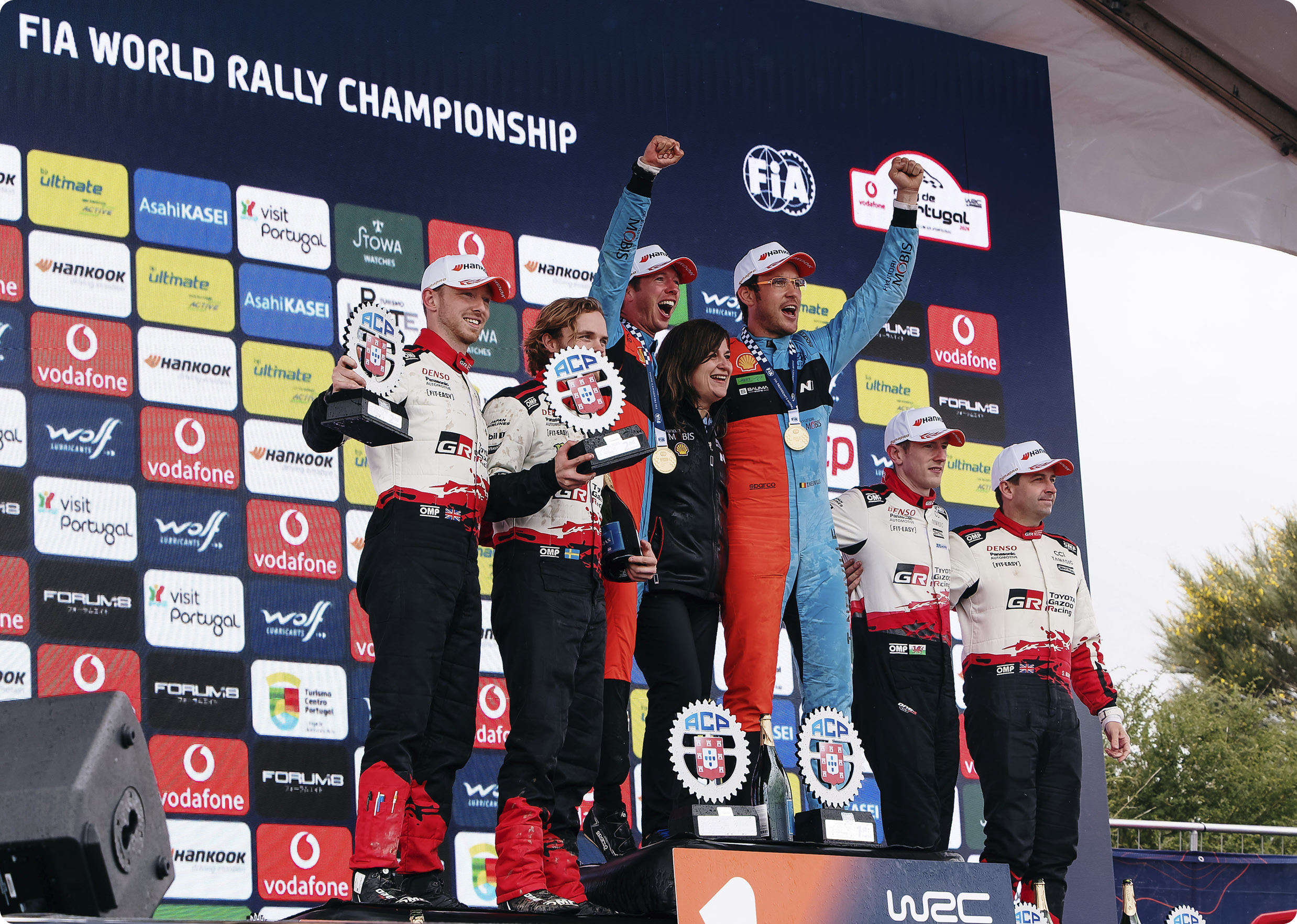
Neuville summed it up after the win: “Always on a good rhythm, nothing was really perfect, but we just got through.” Video: WRC (https://www.wrc.com)
After the finish, Neuville didn’t hide how much it meant after Croatia and the rough early-season stretch: “It's a very special one, especially after what happened in Croatia and the struggles we had. Not just for Martijn and me, but also for the whole team. Always on a good rhythm, nothing was really perfect, but we just got through. I'm sure we're going to have a good night.” Solberg and Evans completed the podium, Fourmaux finished fourth, and Sordo brought it home eighth.
Next up, Rally Japan (Round 7) is the season’s final tarmac rally, running May 28–31 in Toyota City, Aichi Prefecture. After that, the championship goes back to gravel—Greece, Estonia, Finland, and a gravel-heavy run to the finish.
Written by: Soo-jin Lee
In 1991, Lee’s passion for cars led him to enthusiastically write letters to the newly launched Korean car magazine Car Vision. This unexpected connection led him to start his career as an automotive journalist. He has served as editor and editorial board member for Car Vision and Car Life, and now works as an automotive critic. While eagerly covering the latest trends like electric vehicles, connected cars, and autonomous driving technology, he is also a car enthusiast who secretly hopes that the smell of gasoline engines will never disappear.