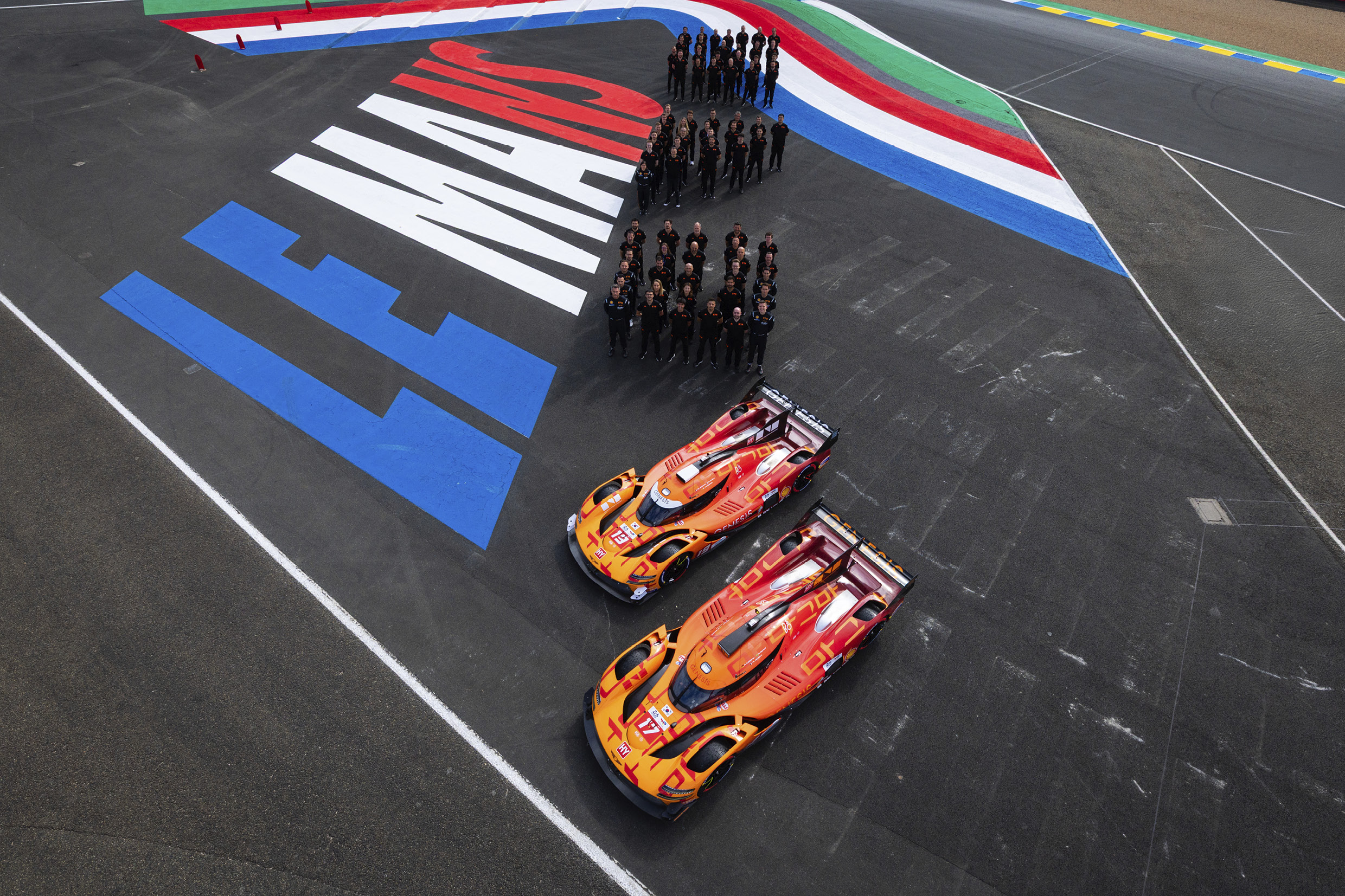
By mid-June, the small city of Le Mans in France’s Sarthe region is packed with race cars, team trucks, and fans from around the world. They come for one reason: the 24 Hours of Le Mans, the race that sits at the top of endurance racing and ranks among the most important events in motorsport history. In terms of heritage, prestige, and global pull, only a few races stand in the same league—Formula 1’s Monaco Grand Prix and North America’s Indy 500 among them. Even within the WEC calendar, Le Mans plays by bigger rules. It awards double points compared with regular rounds, because winning here simply counts more.
Le Mans, in central France, is also one of the places where motorsport history first found its shape. When the automobile emerged in the late 19th century, France fell hard for the machine almost immediately. The Automobile Club de la Sarthe, founded in 1906, held a Grand Prix nearby that same year. The group later became the Automobile Club de l’Ouest, or ACO—the same organization that runs the 24 Hours of Le Mans today.
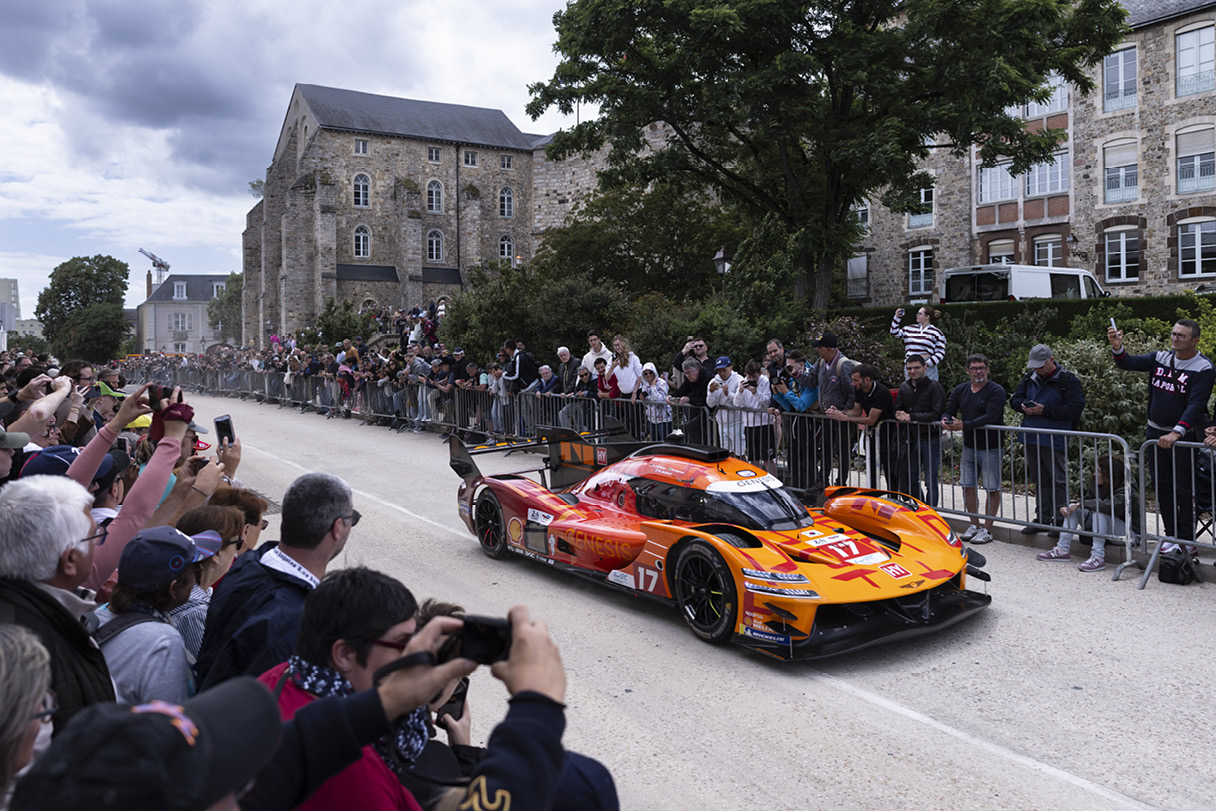
In the 1920s, Grand Prix racing was all about pure speed. The cars were packed with the newest technology of the era and built to fight for outright pace. But the ACO saw a problem: race cars were moving too far away from the machines ordinary people could actually buy, and that distance risked making the sport feel less relevant. So it came up with a different kind of challenge—take cars rooted in the real world and make them run flat-out for 24 hours.
That idea became the first 24 Hours of Le Mans in 1923, and the race’s reputation spread quickly across Europe. Bentley from Britain, Alfa Romeo from Italy, and other major manufacturers came looking for glory, turning Le Mans into an international battleground. Over the next century, the race barely stopped. The only interruptions came in 1936, during a nationwide strike in France, and during World War II, from 1940 to 1948.
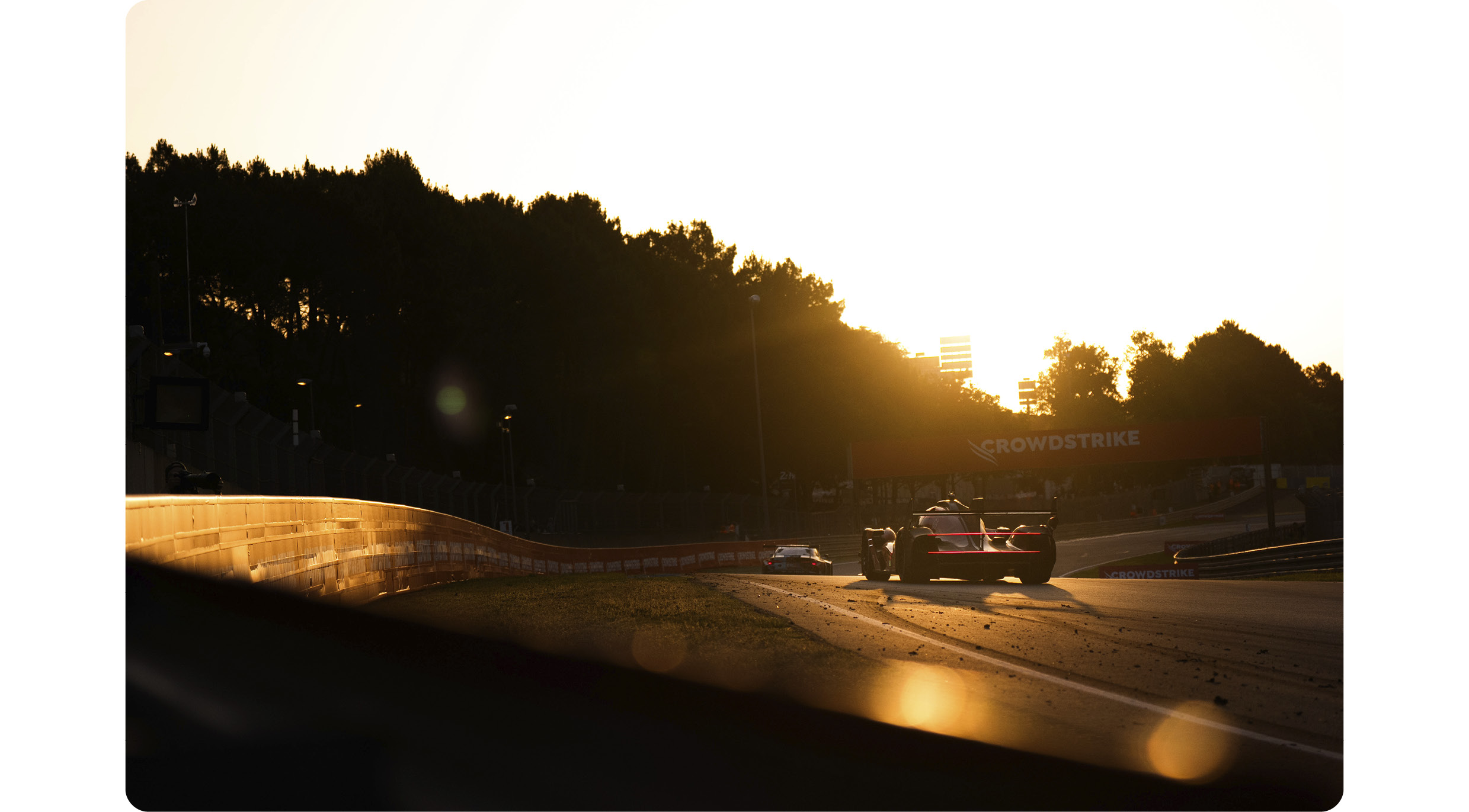
After the war, as Europe began to rebuild, racing returned to La Sarthe. Le Mans came back in 1949, and with the launch of the World Sportscar Championship in 1953, the race gradually shifted toward pure prototypes—cars built less for the showroom and more for the outer edge of engineering. That period created some of the sport’s most famous machines. The headline story remains Ford’s war on Ferrari: after failing to buy the Italian brand in the 1960s, Ford built the GT40, brought it to Le Mans, and beat Ferrari on its own ground. The story later became the film Ford v Ferrari, but the reason it still works is simple: Le Mans is where automakers go to settle arguments.
After the Group C glory years of the 1980s, endurance racing started to lose altitude. The World Sportscar Championship faded, and by the 1990s the category was in real trouble. Le Mans filled the vacuum with GT1, then moved into the LMP1 era in the 2000s, when hybrid systems, direct-injection diesel engines, and other advanced technologies turned the top class into a full-blown engineering arms race. The cars were spectacular—but the costs went nuclear. As the technical complexity climbed, so did the bills, and the grid began to thin out. The ACO and FIA eventually hit reset. LMP1 was phased out, and in 2021 the new Hypercar, or LMH, regulations arrived with a clear mission: reduce performance, limit materials, cut costs, and make the top class sustainable again. IMSA in the United States saw the same opportunity. Its LMDh—Le Mans Daytona h—rules pushed the cost-control idea even further by relying on more shared components, including the motor, gearbox, and chassis. The result was a cheaper, faster route to building a top-class endurance racer.
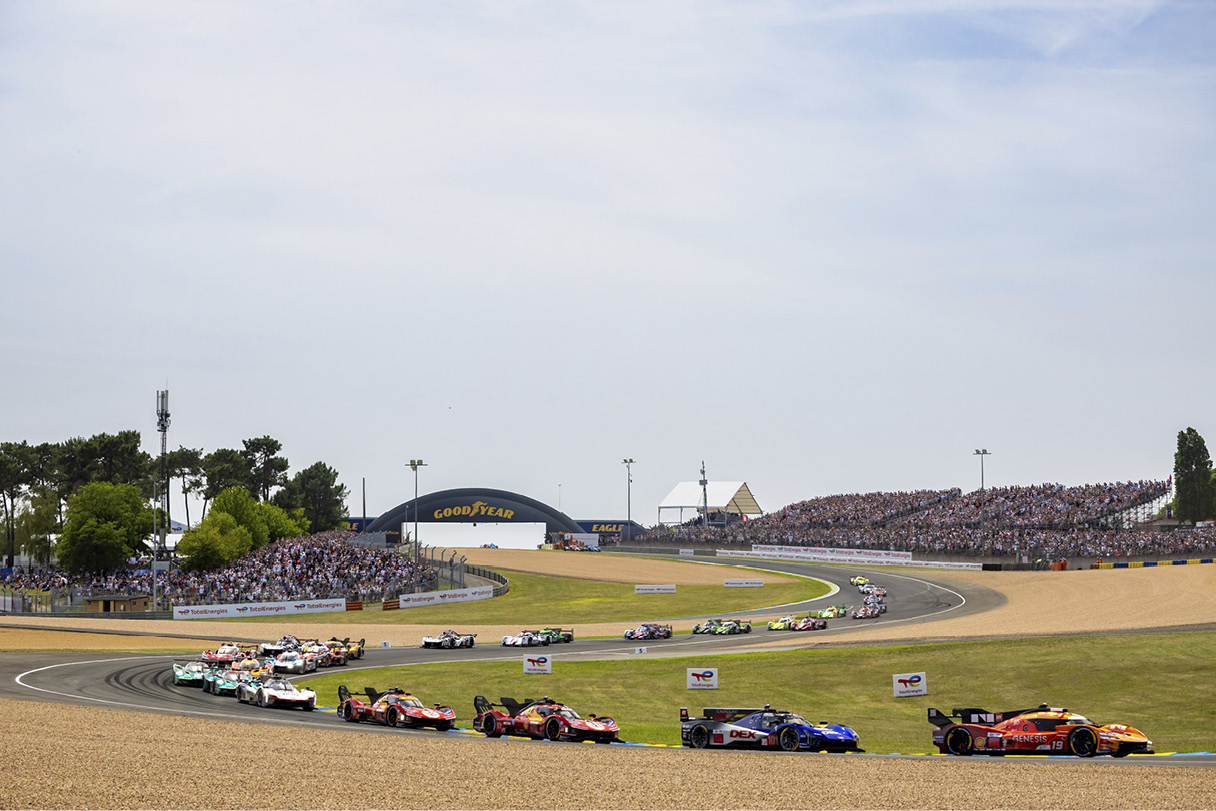
The Hypercar era did exactly what endurance racing needed: it dragged the major automakers back into the fight. The grid got deeper, the racing got tighter, and WEC’s top class sud-denly had real momentum again. Porsche has recently stepped away, but Ferrari, BMW, Toyota, Cadillac, Aston Martin, and Peugeot are still in the mix, and Genesis made its debut this year. McLaren and Ford are expected to join next year, which means the fight at the front is only going to get more crowded—and more brutal.
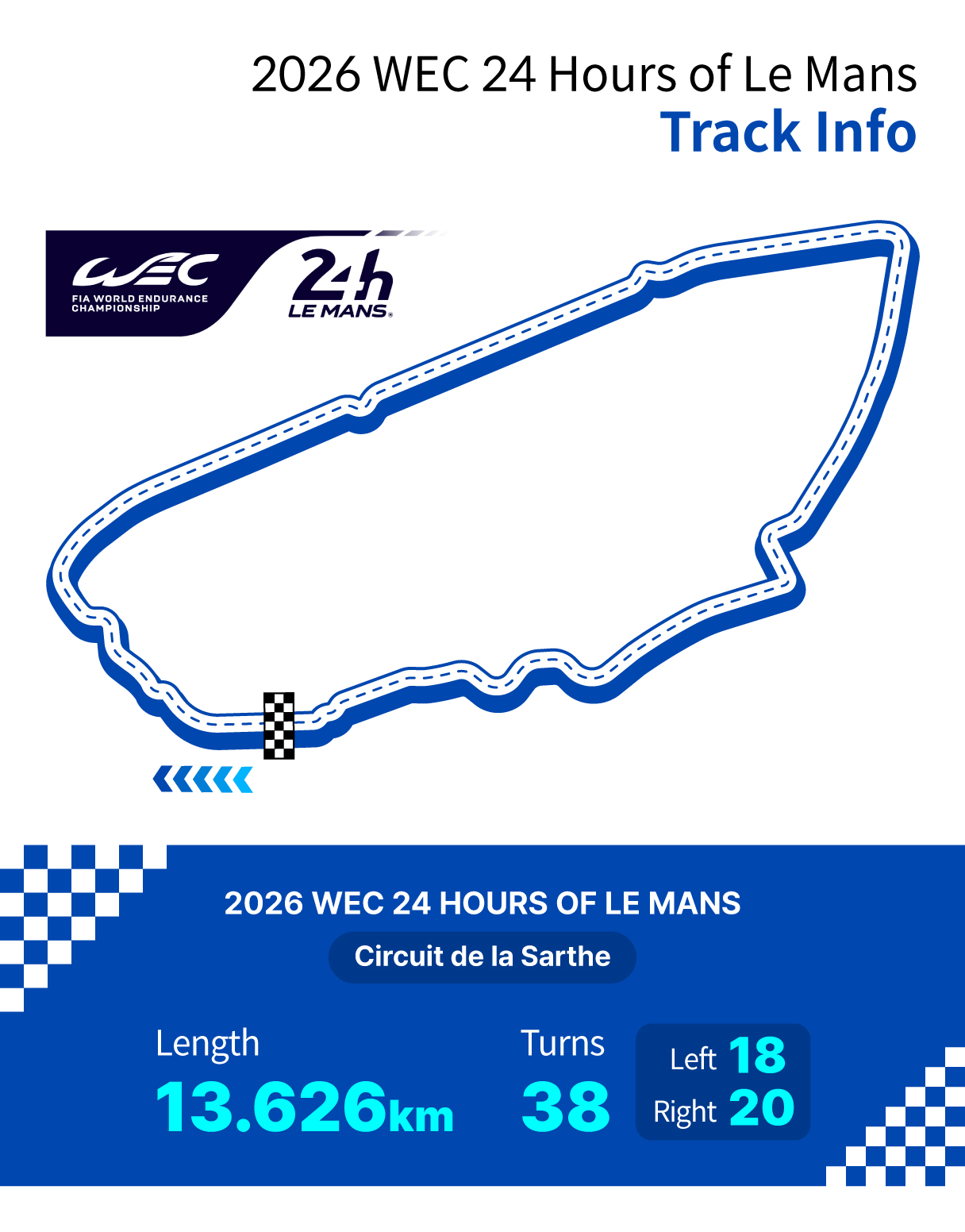
Circuit de la Sarthe is not a normal racetrack. On an ordinary day, you cannot even see it in its full form. It is a semi-permanent circuit assembled for race week, built around the roughly 4-km Bugatti Circuit and connected to surrounding public roads to create the full 13.626-km layout.
The design looks simple on paper: long straights, fewer corners than a typical road course, and huge stretches taken at full throttle. But that is exactly what makes it so punishing. La Sarthe hammers engines, gearboxes, hybrid systems, brakes, tires, and drivers for an entire day and night. A car has to be fast, but it also has to breathe, cool, shift, charge, brake, and survive without falling apart. In its earliest form, the circuit used roads linking nearby towns and formed a simple triangular layout stretching more than 17 km per lap. In 1965, the permanent Bugatti Circuit was built, the pit area was expanded, and multiple sections were reworked for safety and convenience. The race kept evolving because the cars kept getting faster.
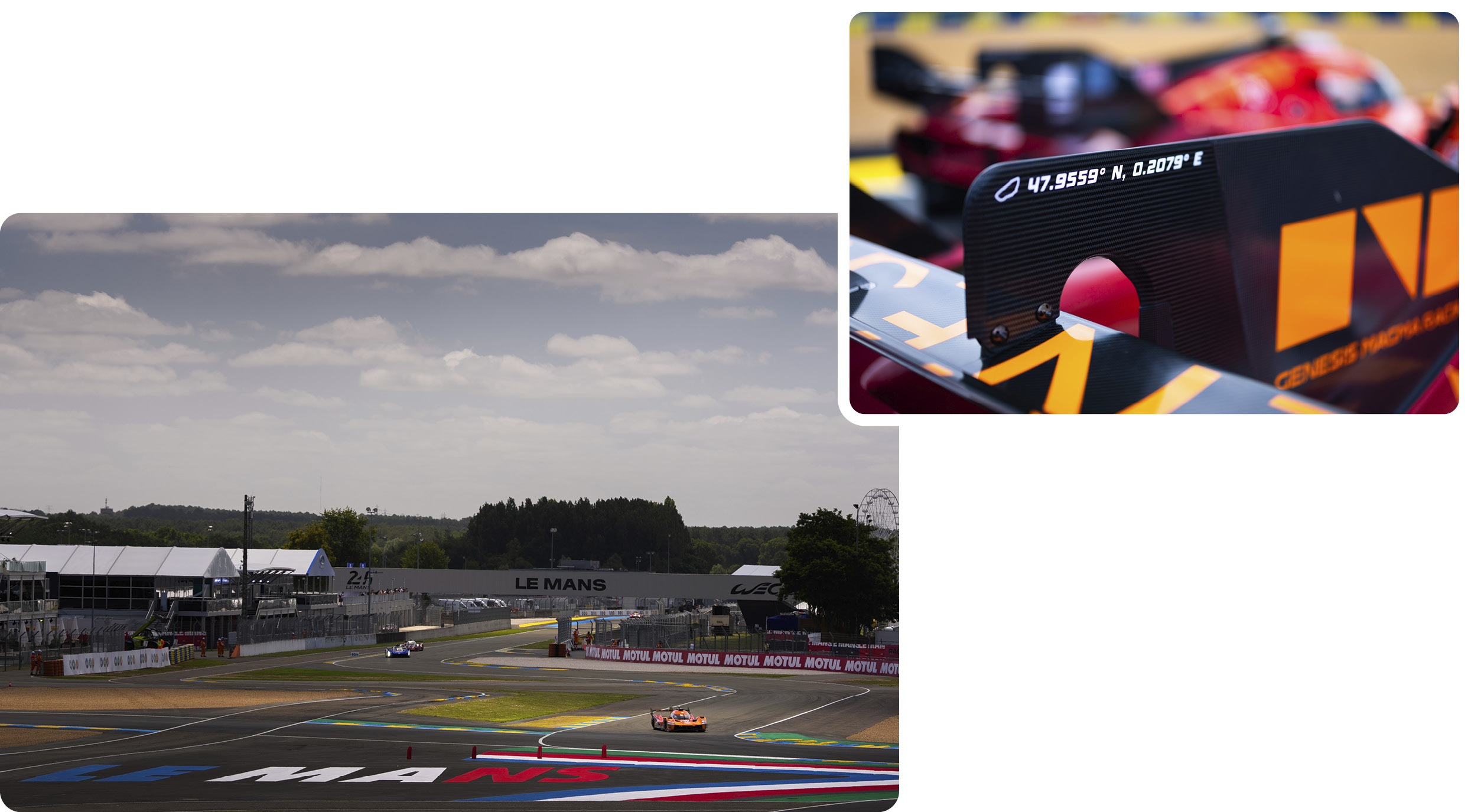
By 1990, speeds had climbed far enough that two chicanes were ad-ded to the long straight known as the Hunaudières, or Mulsanne Straight. The goal was simple: pull the top speeds back before the cars outran the circuit. Even with those chicanes, La Sarthe remains one of the ultimate full-throttle tests in racing. Its length also changes the way the race is controlled. Because La Sarthe is roughly three times longer than many standard circuits, Safety Car procedures are more complicated. With a field that can reach 62 cars, three Safety Cars are deployed across separate sectors. Before the race goes green again, the field has to go through a merging process to bring everyone back together. That takes time, burns strategy, and can completely reshape a race that was already hard enough to read.
The record book is just as heavy as the track itself. Tom Kristensen owns the all-time Le Mans win record with nine victories. Before him, Belgian legend Jacky Ickx won six times between 1969 and 1982, earning the title “Monsieur Le Mans.” Among constructors, Porsche sits on top with 19 overall wins. Ferrari, coming off three straight recent victories, now has 12 and is closing in on Audi’s 13.
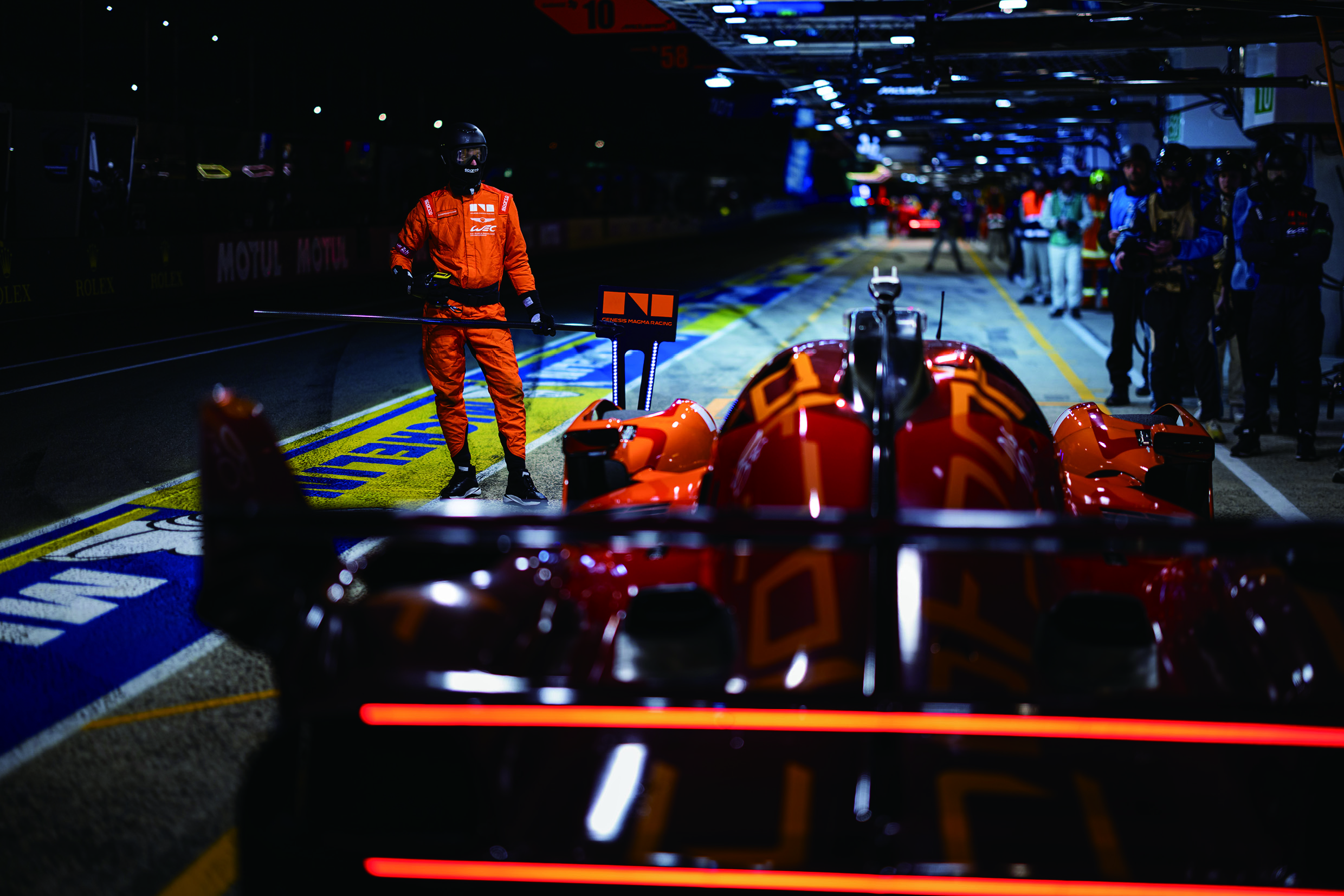
Every race team starts with the same target: win. But at the 24 Hours of Le Mans, simply finishing is enough to earn applause. Last year’s winning Ferrari 499P completed 387 laps and covered more than 5,200 km, yet the margin to second place was only 14.08 seconds. Top speed on the straights can push past 340 km/h, and average lap speed approaches 240 km/h. With roughly 70 percent of each lap spent at full throttle and 78 gear changes per lap, the load on every component is beyond anything most race cars will ever see.
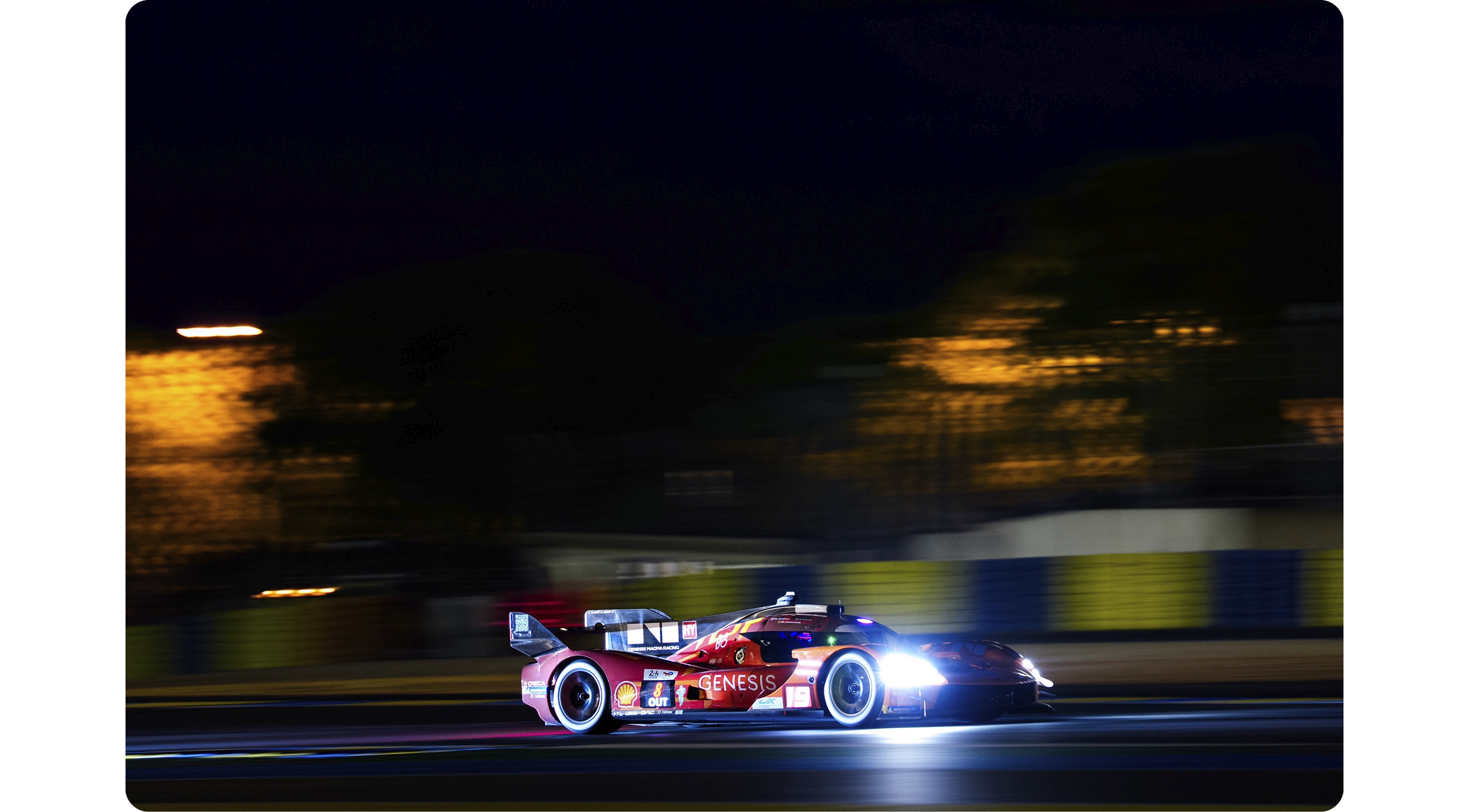
The drivers have their own fight inside a cockpit that is tight, hot, and brutal. Even in the black of night, they cannot afford to lose focus. That is why each driver’s seat time is limited to no more than four consecutive hours and no more than 14 hours total. The most dangerous window is the dead zone between 3 a.m. and 6 a.m., when fatigue peaks. Temperatures drop, fog or frost can form, and the risk of an accident spikes. Le Mans is also infamous for unpredictable weather. Because the circuit is so large, it is common for rain to fall on only part of the track. Running slicks in the early morning and sud-denly hitting rain is pure terror. Add mechanical trouble, driver mistakes, and outside variables like another car’s crash, and you understand why people say 'Le Mans chooses you.'
The most dramatic example came in 2016, when Toyota was hit by one of the cruelest near-misses in racing history. Its leading LMP1 car stopped with just three minutes left in the race. It was later revealed that the failure came from a tiny defect in the air pipe connecting the turbocharger and intercooler. Victory went to Porsche, and because the Toyota exceeded the six-minute limit allowed for the final lap, it was not even classified as a finisher.
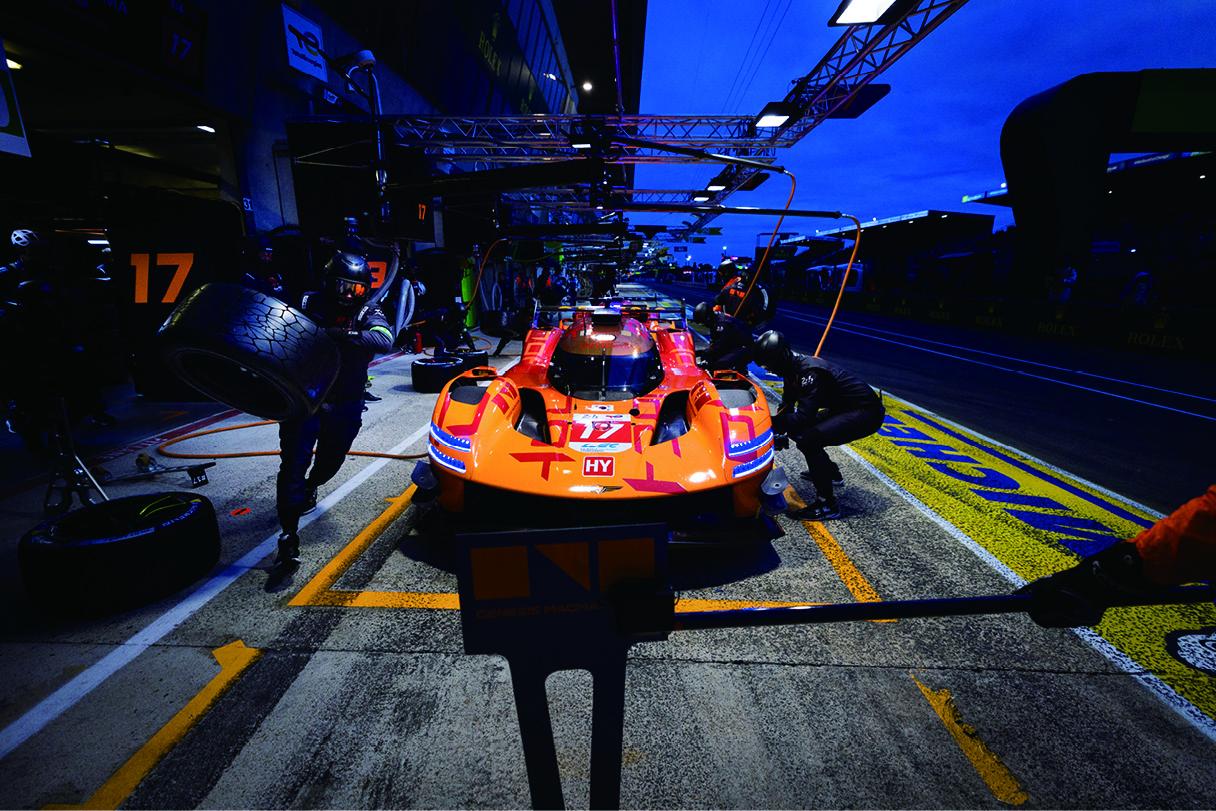
Even taking the checkered flag without retiring does not automatically make you a Le Mans finisher. To be classified, a car has to complete at least 70 percent of the winning car’s distance. In 2024, BMW’s Hypercar spent a long stretch buried in the garage with mechanical trouble and completed only 96 laps, leaving it NC—Not Classified. Seventy percent of the winning car’s 311 laps was 217.7 laps, and that same 70-percent rule applies even to the slower LMGT3 cars.
Then there is the risk every team fears most: getting caught in someone else’s mess. Le Mans puts Hypercars, LMP2 cars, and LMGT3 machinery on the same 13.6-km road, all running at very different speeds. That means constant traffic, constant overtaking, and constant split-second decisions. Multi-car crashes can happen when a faster prototype dives past slower traffic, and plenty of drivers get collected through no fault of their own. The darkest reminder came in 1955, when a Mercedes-Benz 300SLR approaching the pits collided with a slower Austin-Healey, sending debris into the grandstands. The disaster killed 83 people and seriously injured more than 120, and it took Mercedes-Benz more than 30 years to return to Le Mans.
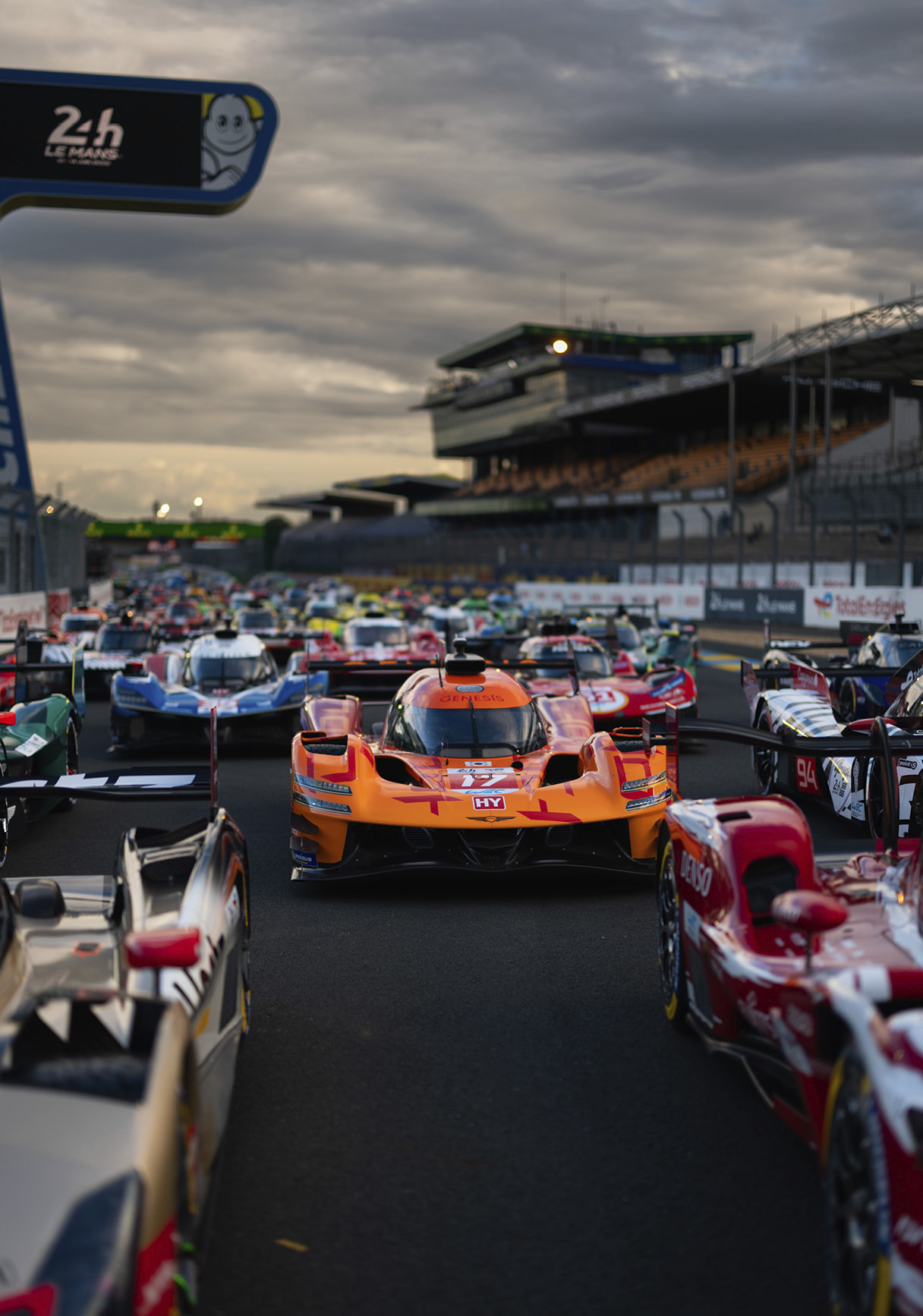
Genesis Magma Racing’s entry marks the first appearance by a Korean brand at Le Mans.* Its weapon is the GMR-001 Hypercar, built around IMSA’s LMDh regulations. In LMDh, every car uses the same hybrid package—motor, battery, and gearbox—while teams choose a chassis from one of four approved suppliers: Dallara, Ligier, Oreca, or Multimatic. The idea is simple: give manufacturers a real top-class prototype without forcing them into an unlimited-budget engineering war. LMH and LMDh cars can also race across both major series, which is why brands such as BMW, Cadillac, and Aston Martin are already running in both WEC and the IMSA SportsCar Championship.
*In 1996, SsangYong attempted to enter LMP2 with an engine mounted in a French WR chassis, but it did not qualify for the race. At the time, pre-qualifying was used, and cars below a certain time standard could not start the main event.
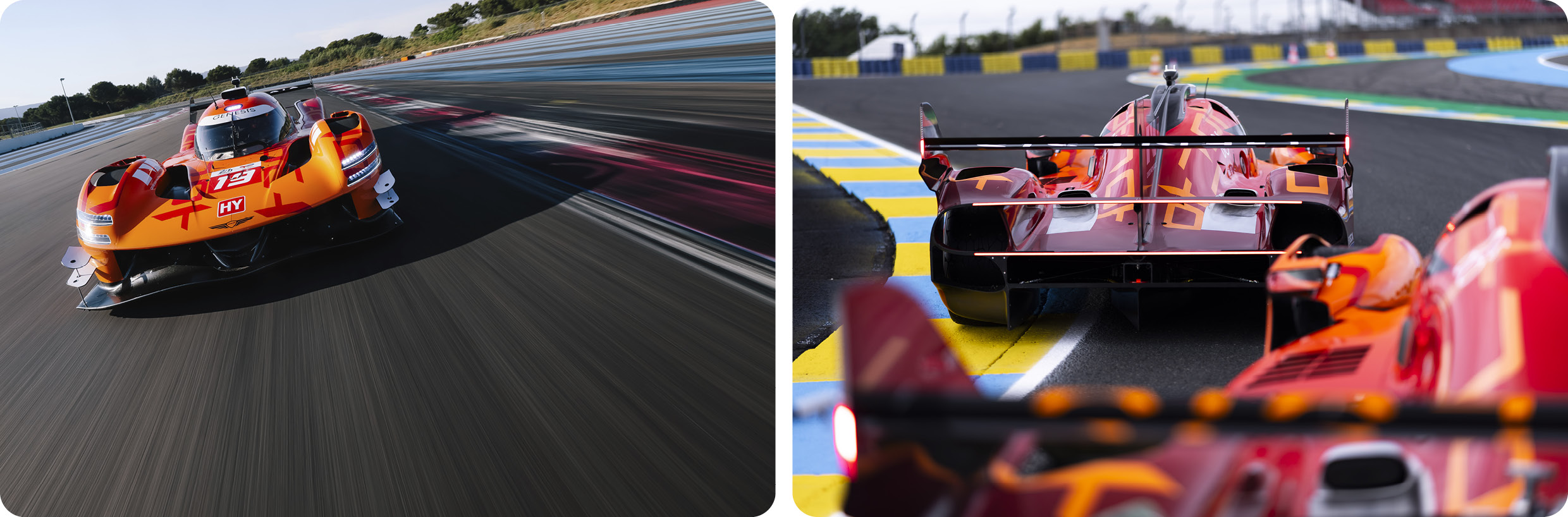
For the GMR-001 Hypercar, Genesis chose a French-made Oreca chassis. Already proven as the class benchmark in LMP2, Oreca’s platform is also used by Alpine and Acura, and it will underpin Ford’s Hypercar currently in development. Genesis then wrapped that foundation in a body shaped by its “Athletic Elegance” design language. The brand’s signature Two-Line lamps make the car instantly recognizable from a distance, even in the dark. A pattern inspired by the Korean word “Magma” adds another signature—a Korean detail you can spot even when the car is flashing past at race speed. The engine is a self-developed 3.2-liter twin-turbo V8, code-named G8MR, based on the inline-four used by Hyundai Motorsport in WRC. The rest of the driveline uses LMDh common components: a 50-kW Bosch motor, a battery pack from Williams Advanced Engineering, and an Xtrac seven-speed sequential gearbox. By regulation, total system output sits around 690 PS, with performance adjusted race by race through BoP—Balance of Performance.
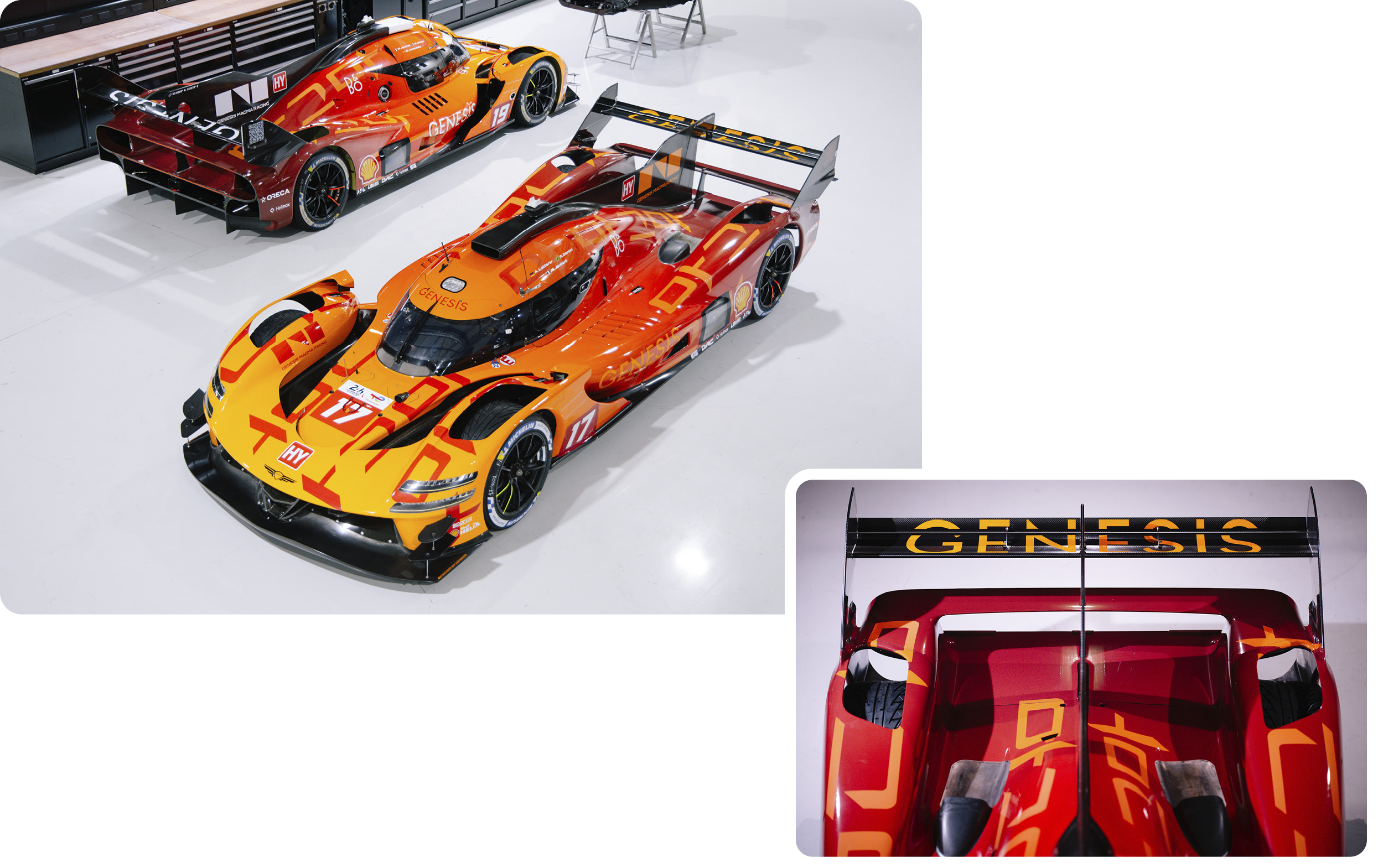
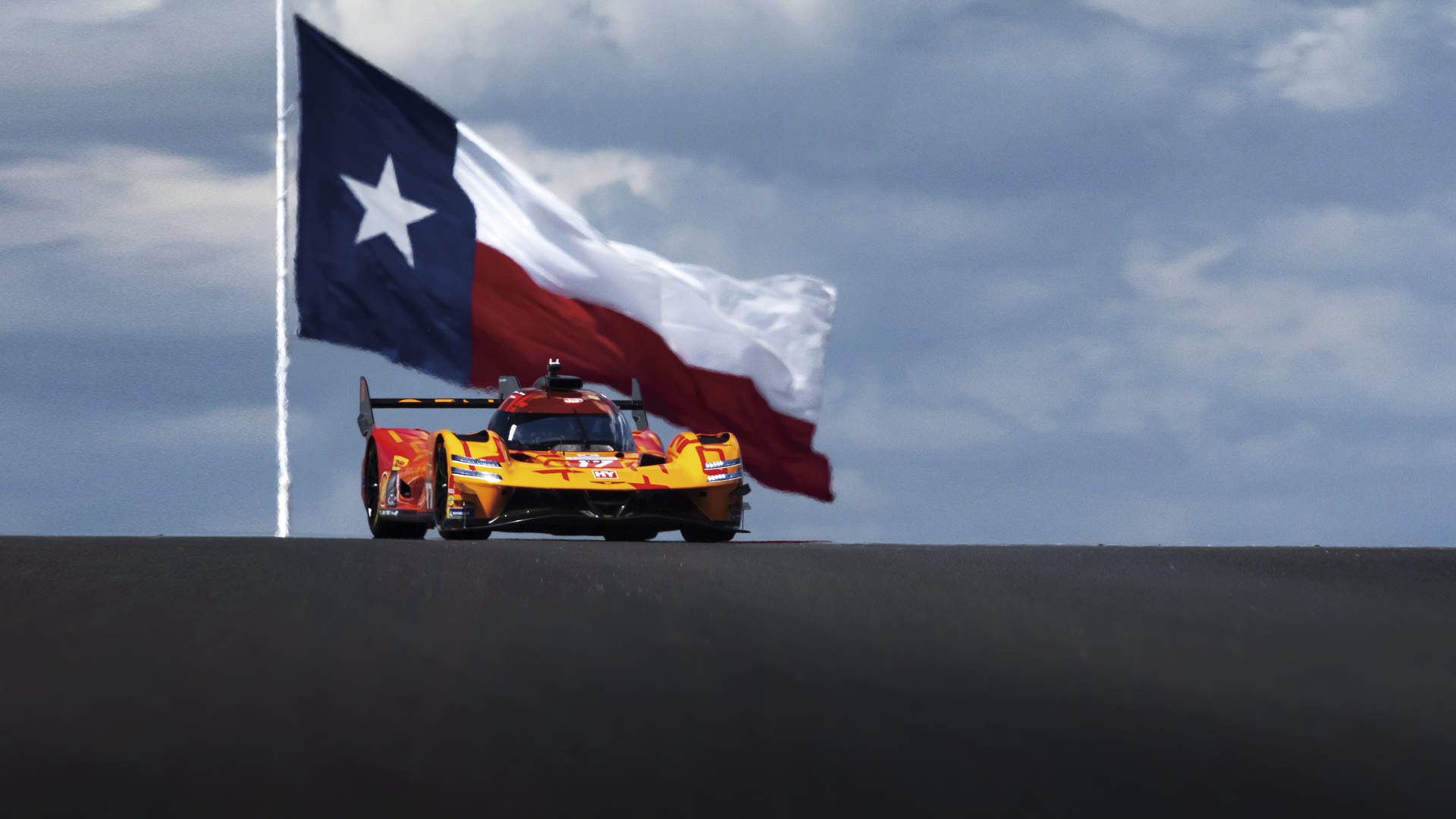
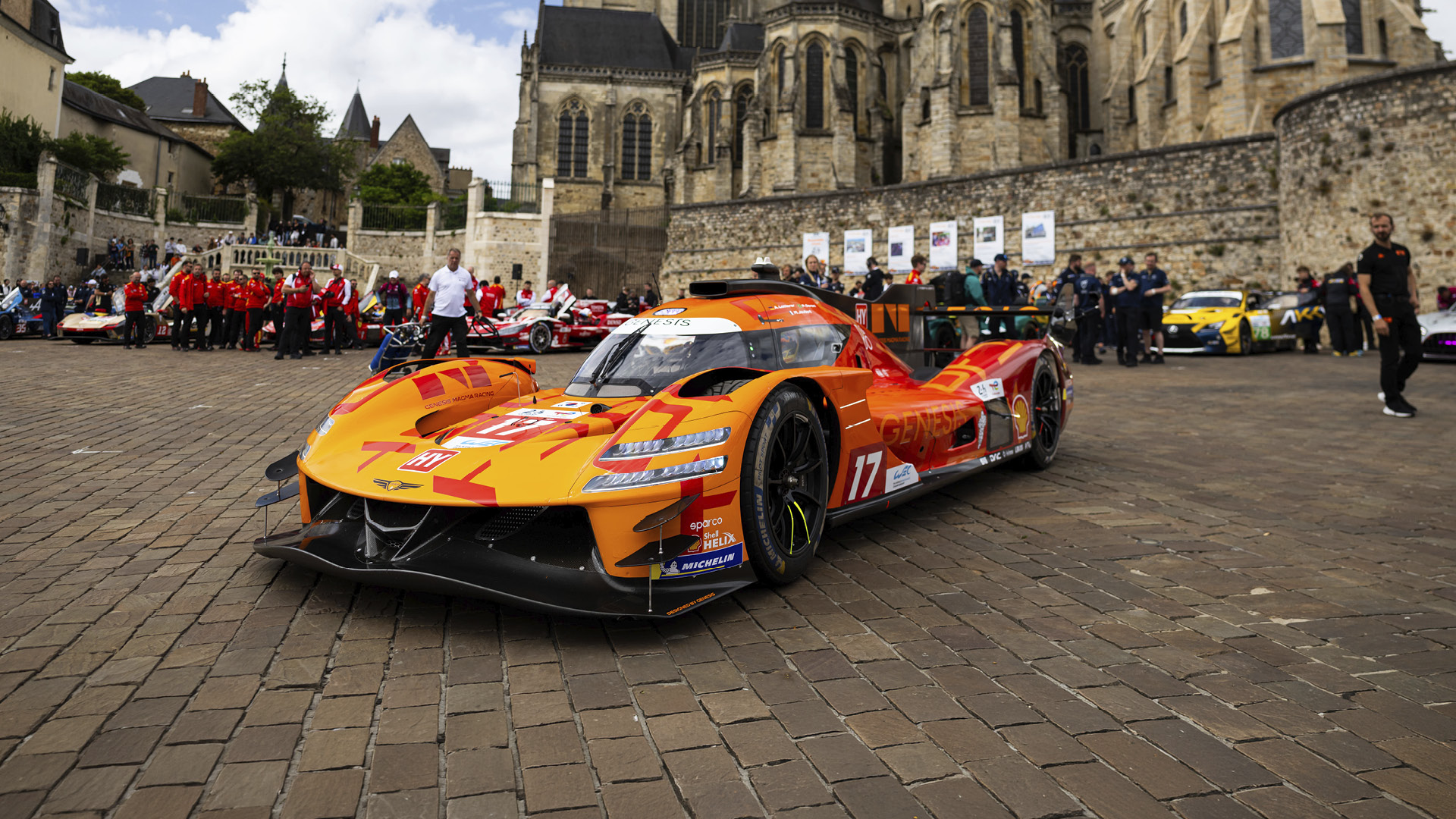
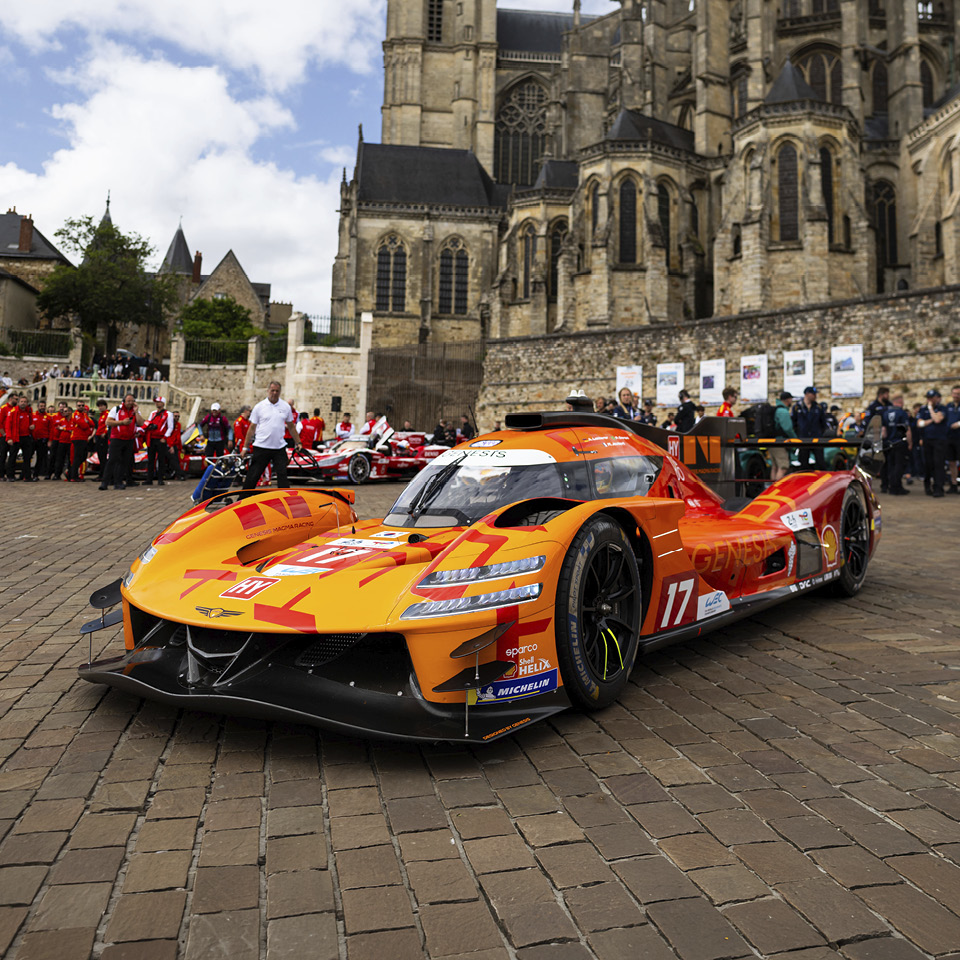
Le Mans always brings out special liveries, but Genesis Magma Racing made one of the sharpest statements on the grid by dropping the black and Liquid Metal look from early in the season and going all-in on Magma Orange. The vivid orange, familiar since the concept reveal, has become the team’s signature color—and at Le Mans, it does more than look good. When the race goes dark, it makes the car impossible to miss. The gradient starts with a bright orange nose and fades into a deep crimson rear, turning the heat of the V8 and the Doppler-shifted rush of a car at speed into something visual. The two cars are split by detail. The #19 car uses white on the roof intake, air splitter, and Magma logos across the body, making it easy to pick out from the #17 car.
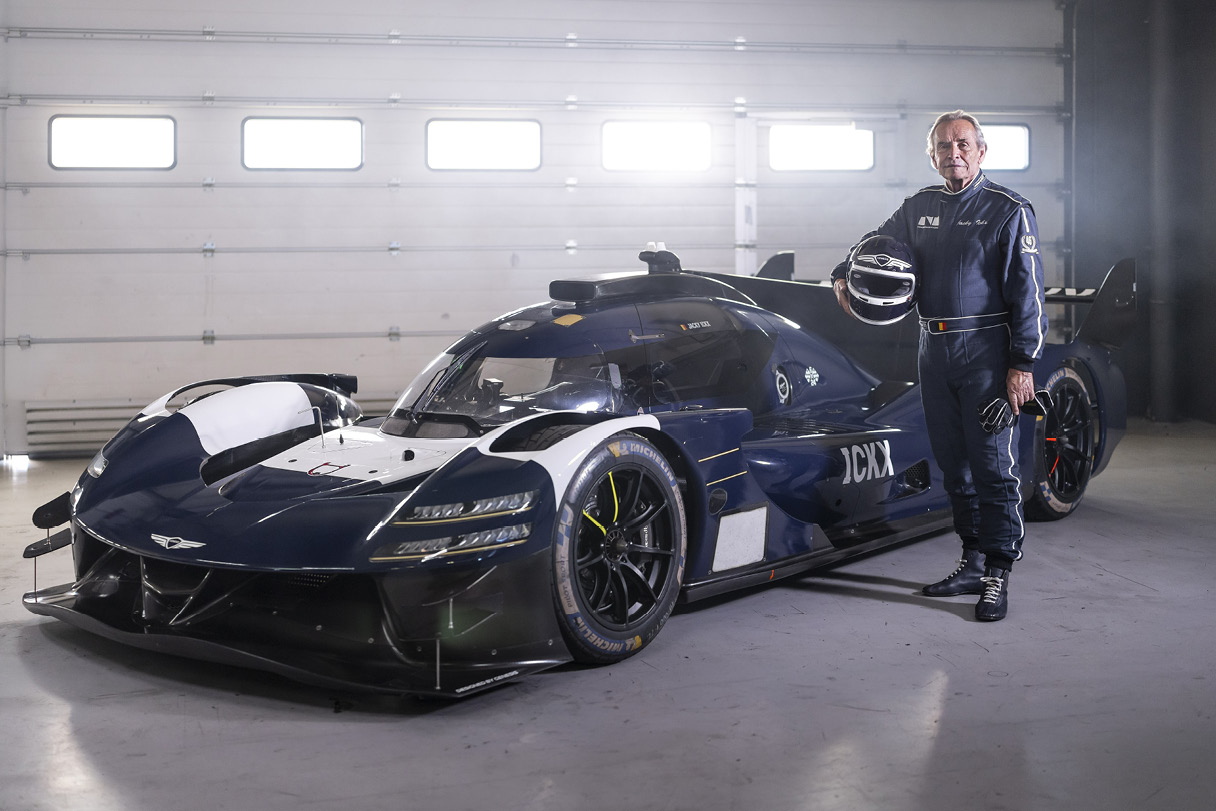
A few weeks before Le Mans, Genesis also revealed a special GMR-001 Hypercar livery with real weight behind it. Jacky Ickx, the Belgian driver who won the 24 Hours of Le Mans six times and earned the title “Mister Le Mans,” is now a Genesis brand ambassador and an advisor to Genesis Magma Racing. The team honored him with a navy blue-and-white design inspired by the helmet he wore during his racing career. It was a sharp tribute to a living Le Mans legend—and a reminder that Genesis is showing up at La Sarthe to respect the history, then race against it.
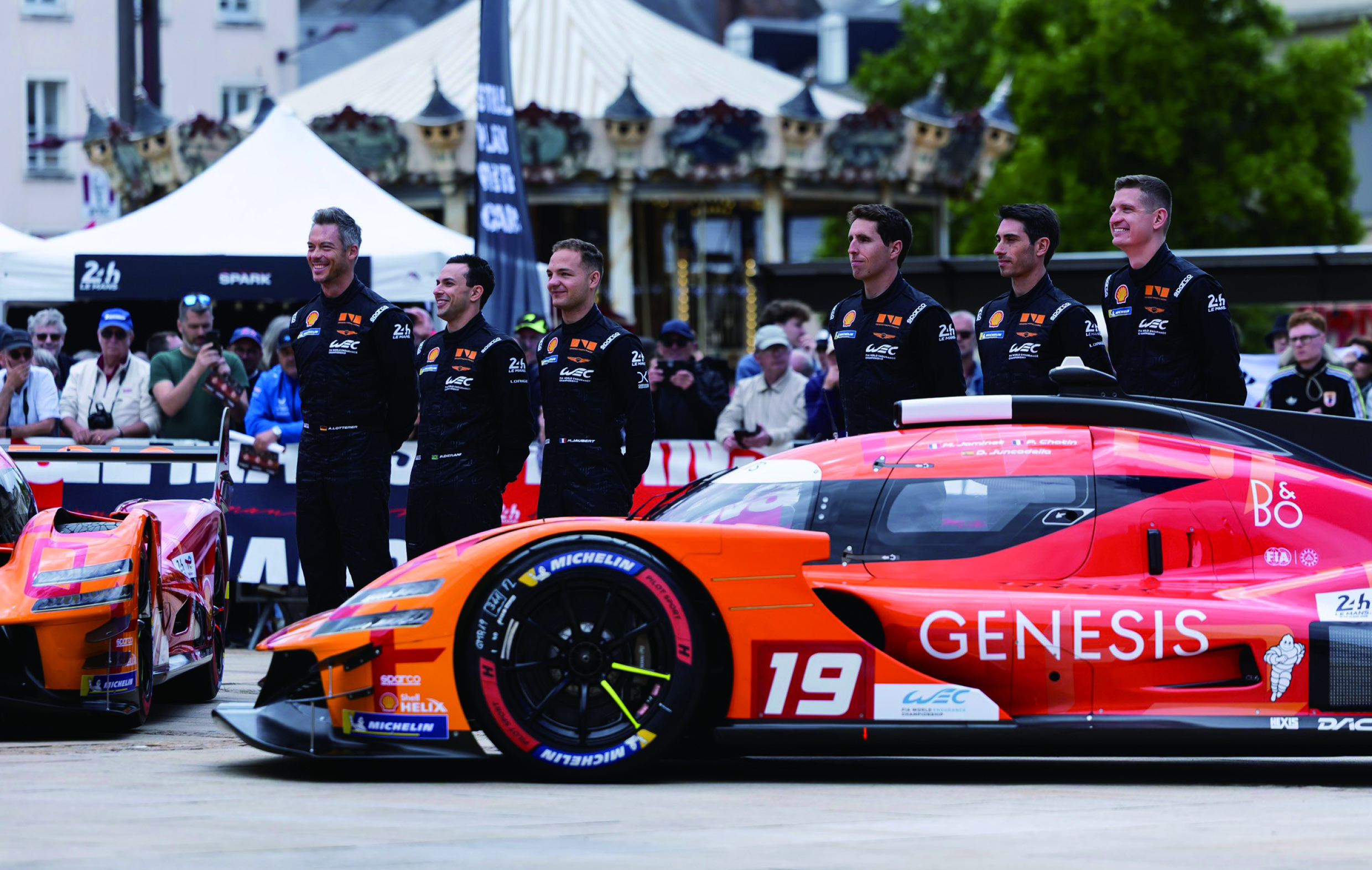
Le Mans requires three drivers per car to survive the full 24 hours. Finding six drivers with the right mix of speed, experience, and calm under pressure is no small task. Each driver is limited to no more than four consecutive hours behind the wheel and no more than 14 hours total. In most cases, teams build the race plan around driver changes every two to three hours.
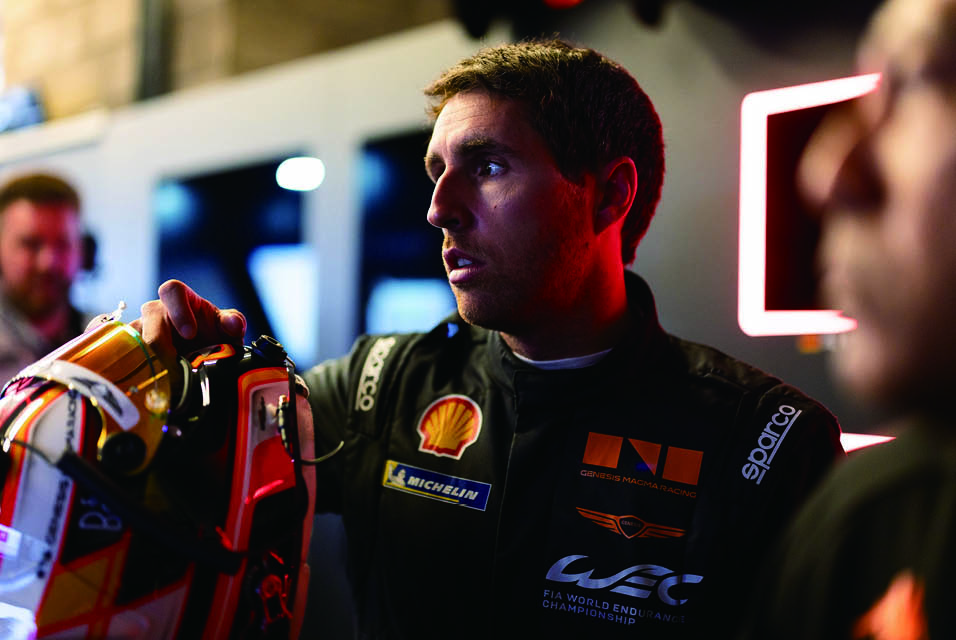
Genesis Magma Racing announced veteran anchors André Lotterer and Pipo Derani at the end of 2024, then used its Trajectory Program to develop Daniel Juncadella and rising talent Mathys Jaubert in the 2025 ELMS season. Jamie Chadwick, who was part of that same program, was assigned the role of reserve and test driver. The final two seats were decided later: Mathieu Jaminet, formerly a Porsche factory driver, and Paul-Loup Chatin, who joined from Alpine. Both arrived with recent experience in the brutally competitive Hypercar class.
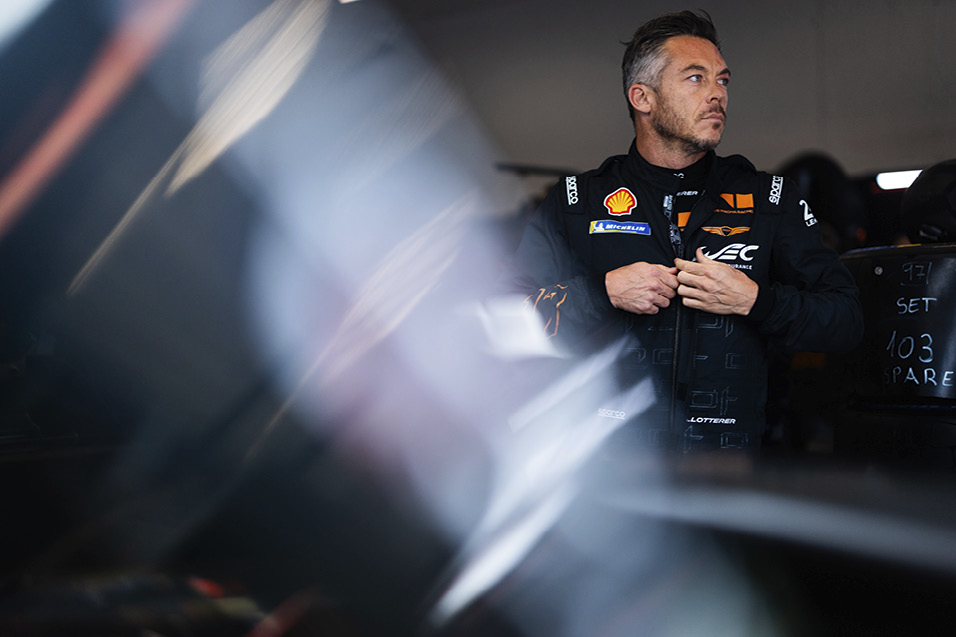
Born in Germany in 1981, André Lotterer raced across multiple categories—including a stint as a test driver for Jaguar Racing in Formula 1—before his career truly came alive in endurance racing. He entered the 24 Hours of Le Mans in 2009 with Team Kolles and finished seventh overall, even after the team faced a crisis when one of his co-drivers was sidelined by injury. The following year, he became an Audi factory driver and finished second at Le Mans. Then came the wins: 2011, 2012, and 2014, three Le Mans victories that put him among the race’s modern greats. In the World Endurance Championship, he won titles in 2012 and 2024, becoming one of the key figures of Audi’s and Porsche’s golden eras.
Pipo Derani combines raw aggression with veteran racecraft, making him one of the strongest endurance drivers in North America. Influenced by his father, a Brazilian GT driver and businessman, Derani developed through Formula Renault and then German and British F3 before stepping into endurance racing through the European Le Mans Series in 2014. He made his biggest mark in the IMSA SportsCar Championship. In his 2016 debut season, he won both the season-opening 24 Hours of Daytona and the 12 Hours of Sebring, then went on to score four Sebring wins by 2023—earning him the nickname “King of Sebring.” He also won IMSA SportsCar Championship titles in 2021 and 2023. More recently, in WEC Round 2, he played a major role in the team’s first points finish, holding off rivals on worn tires after a risky short-fueling strategy.
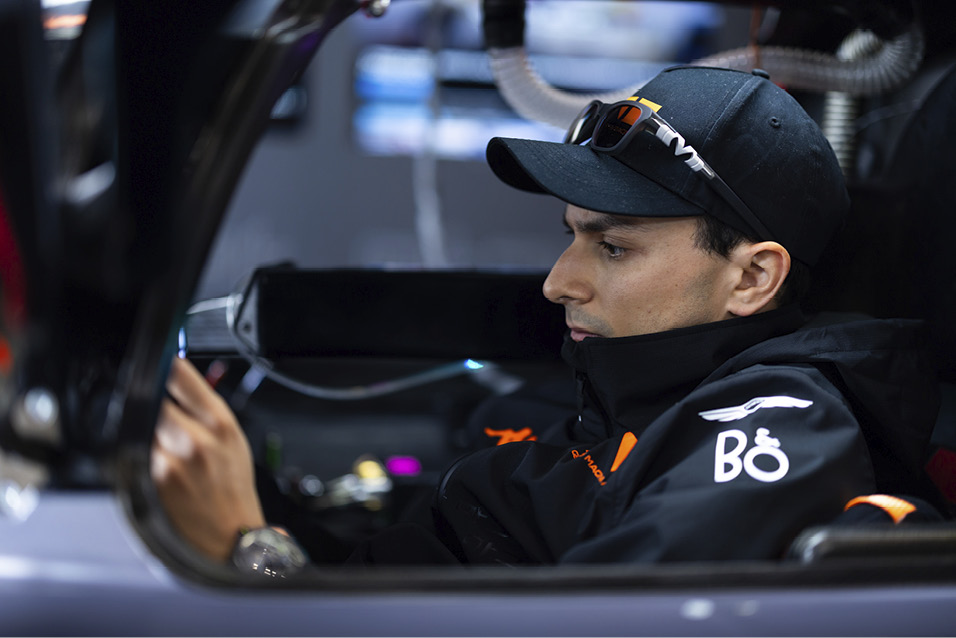
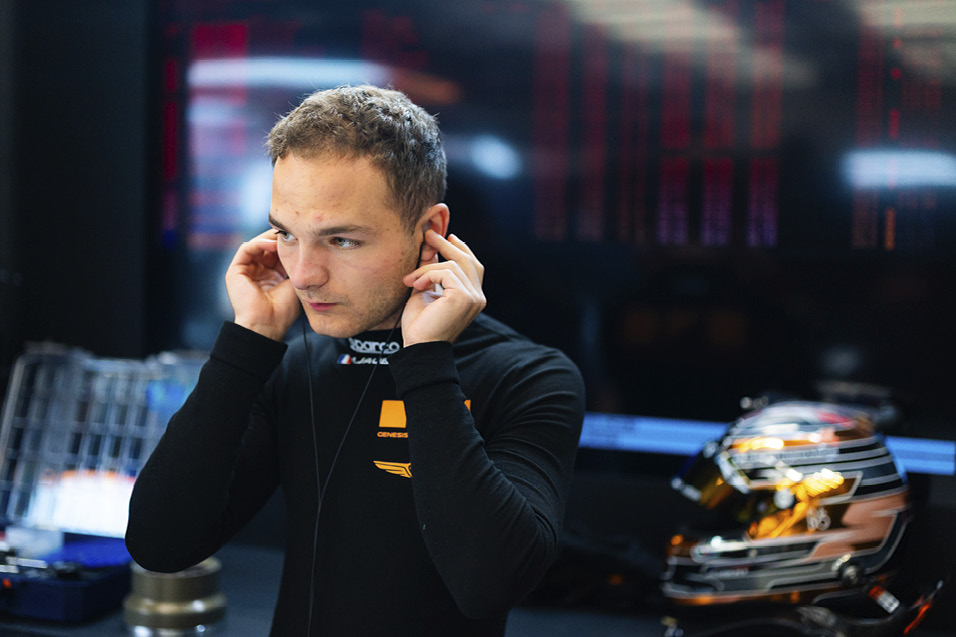
Born in 2005, Mathys Jaubert is the youngest driver on the team. He started karting in 2013 and moved into cars at age 16, building experience in GT categories including Caterham and Porsche Carrera Cup competition. At the end of 2023, Jaubert first sampled IDEC Sport’s LMP2 car in the ELMS rookie test, where he caught the attention of Genesis Magma Racing and became part of the Trajectory Program. In the 2025 ELMS season, he played an important role in securing three wins and finishing second in the championship, and he was named ELMS Rookie of the Year. He is seen as both the biggest beneficiary and one of the clearest success stories of the Genesis Magma Racing Trajectory Program. His FIA driver rating is Silver, the lowest on the team, but his ceiling is high.
Born in France in 1994, Mathieu Jaminet is one of the younger drivers in the lineup, but he has already produced standout performances in the Hypercar ranks. His long relationship with Porsche began with the 2015 Porsche Carrera Cup France championship, and he became a Porsche factory driver in 2020. He won the IMSA GTD championship in 2022, then moved up to the Hypercar/GTP class the following year. Driving the Porsche 963, he finished second in the 2024 championship and won the IMSA title in 2025, establishing himself among the top endurance drivers of the current era. His own speed matters, but so does the experience of driving a championship-winning machine. For Genesis, that knowledge is a serious asset.
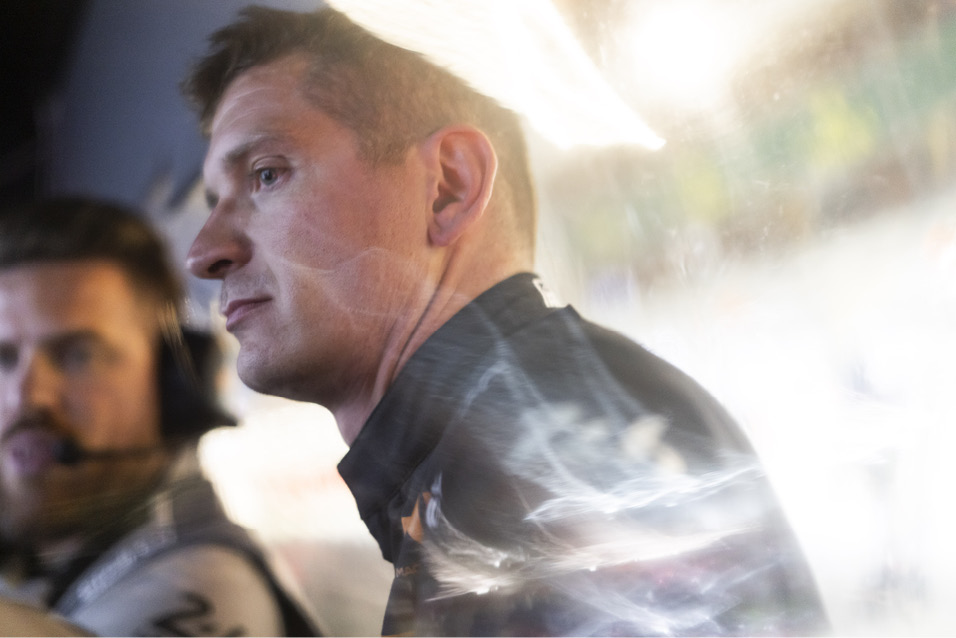
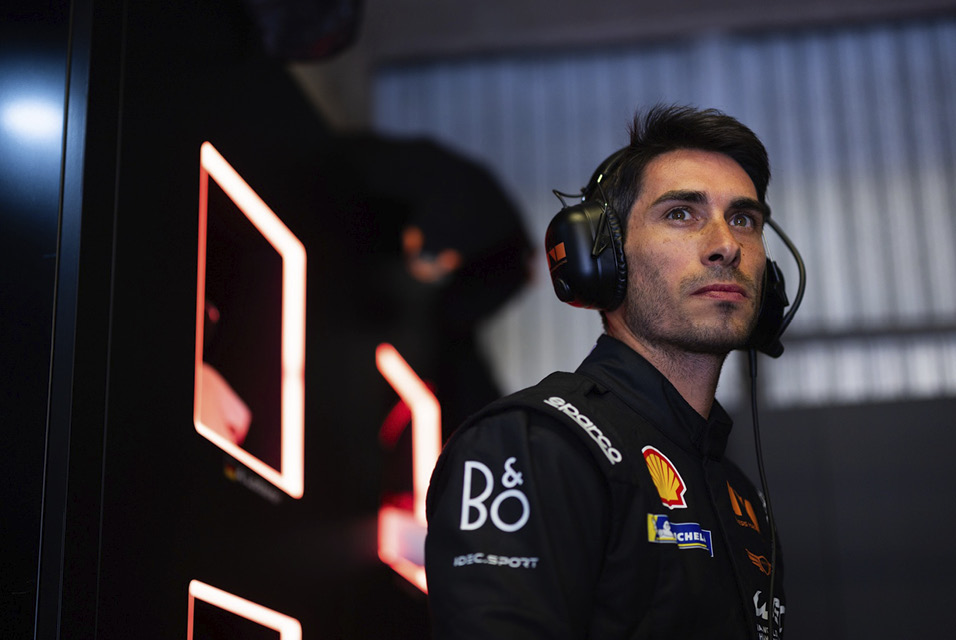
A French driver, Paul-Loup Chatin made his endurance-racing debut in 2013 in the LMPC class, the entry-level prototype category of the ELMS. He won three races that season, taking the series title and Rookie of the Year honors. The following year, he successfully moved up to LMP2 with Signatech Alpine, the predecessor of today’s Alpine factory team. Chatin began racing in the FIA WEC in 2015 and has since competed with multiple teams. He has won three ELMS titles and one IMSA LMP2 championship. After returning to Alpine in 2024 to take on the Hypercar class, Chatin delivered Alpine’s first Hypercar win at Fuji in Japan in 2025. From his Alpine years to the GMR-001 Hypercar, his experience and technical understanding of the Oreca chassis run deep.
Daniel Juncadella was born into one of Spain’s great motorsport families. His father, Javier Juncadella, his uncle José María Juncadella, and his maternal uncle Luis Pérez-Sala, a former Formula 1 driver, all helped shape that racing bloodline. Juncadella showed his talent early, winning the Macau Grand Prix in 2011 and the Euro F3 championship in 2012. He made his DTM debut in 2013, then raced across various GT championships. In 2022, boosted by victory at the 24 Hours of Spa, he became champion of the GT World Challenge Europe Endurance Cup. Through the Genesis Magma Racing Trajectory Program, Juncadella stepped into an ELMS LMP2 car last year. This season marks his Hypercar debut.
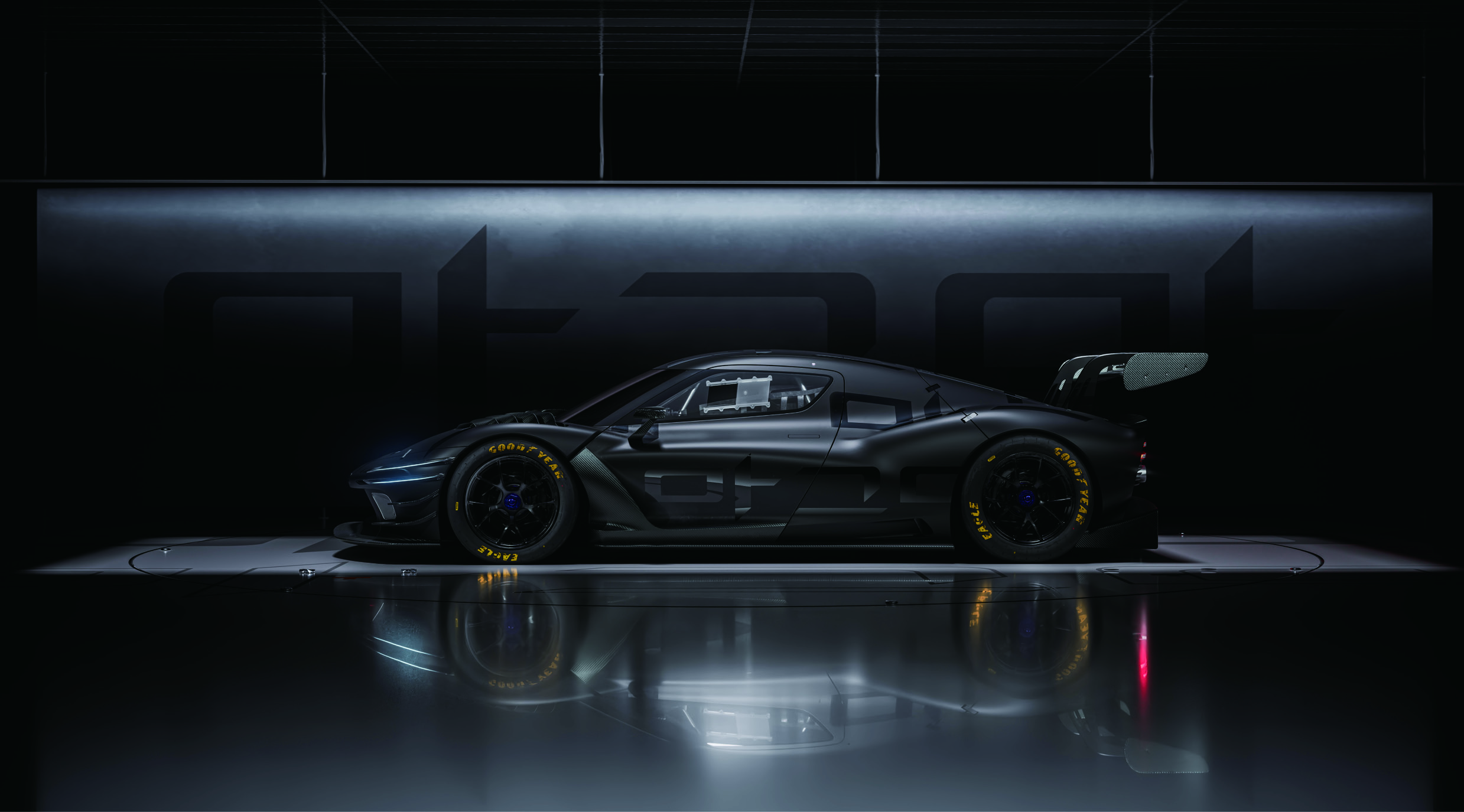
The Magma GT Concept revealed late last year was a mid-engine sports car, and it immediately sparked speculation that Genesis might be lining up a GT3 program. The Genesis Magma GT3 Concept revealed at this year’s 24 Hours of Le Mans made that possibility feel far more concrete.
Unlike the pure racing prototypes of the Hypercar class, production-based GT racing has to connect directly with a company’s long-term product portfolio. For Genesis, a relatively young premium brand that still needs sustained growth and broader market reach, racing is not optional—it is part of the brand-building job. GT customer racing, in particular, has become a business model of its own. Even as the broader sports-car market has continued to shrink, GT3 racing has grown into both a playground for wealthy enthusiasts and a serious global racing ecosystem.
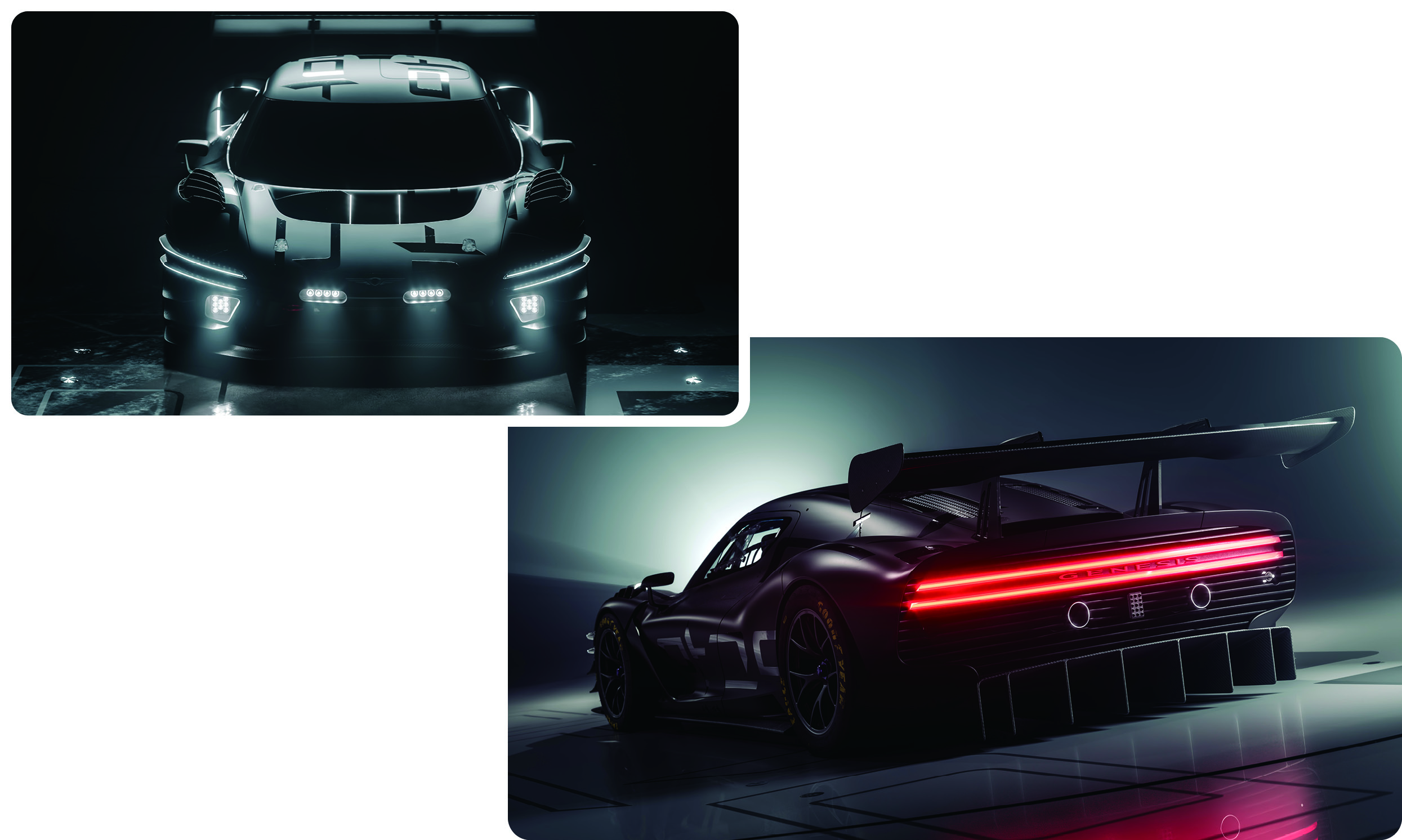
Today’s GT3 grid is a war zone filled with proven production sports cars: the Ferrari 296, Porsche 911, Aston Martin Vantage, Chevrolet Corvette, and more. Chevrolet even abandoned the Corvette’s long-running front-engine tradition and moved to a mid-engine layout in the name of winning. Toyota recently revealed its new GR GT, which will replace the Lexus RC F starting next year. With the Magma GT3 Concept, Genesis gave a first real look at a future where its Hypercar and GT3 machine could one day share the grid at Le Mans.
Read the Next Story
Written by: Soo-jin Lee
In 1991, Lee’s passion for cars led him to enthusiastically write letters to the newly launched Korean car magazine Car Vision. This unexpected connection led him to start his career as an automotive journalist. He has served as editor and editorial board member for Car Vision and Car Life, and now works as an automotive critic. While eagerly covering the latest trends like electric vehicles, connected cars, and autonomous driving technology, he is also a car enthusiast who secretly hopes that the smell of gasoline engines will never disappear.